Huntsville aerospace suppliers: entering the market without becoming a prime contractor
How Huntsville suppliers can win aerospace work through subcontracting, quality records, and site access discipline without taking prime-contract risk.

Fifty state-specific business and technology opportunities, connected to the furnished monthly stays that can support a trial move or a defined work assignment.
50 guides in this collection

How Huntsville suppliers can win aerospace work through subcontracting, quality records, and site access discipline without taking prime-contract risk.


An Alaska IT service built around connectivity, spare equipment, weather delays, remote support, and Anchorage staging can win by planning for distance first.

How Arizona’s Phoenix semiconductor support economy works beyond fab jobs: supplier onboarding, cleanroom-adjacent services, shift coverage, workforce choices, and relocation trade-offs.

How to sell retail analytics in Bentonville and Northwest Arkansas without implying shelf access, using local spending data, supplier validation, and careful relocation choices.

Sacramento clean-tech pilots need utility access, pilot-site fit, and relocation timing—this article maps a practical path before moving the team.

Boulder climate-data consulting works when uncertainty is treated as a product design issue, not a buzzword, and when data licensing shapes what clients can use.

How to choose a defensible first medical-device engineering service in Connecticut, with UConn resources, local site choices, and a practical first-project test.

How Wilmington’s fintech scene supports product, compliance, and banking work—and what incorporation in Delaware does not solve for a relocating operator.

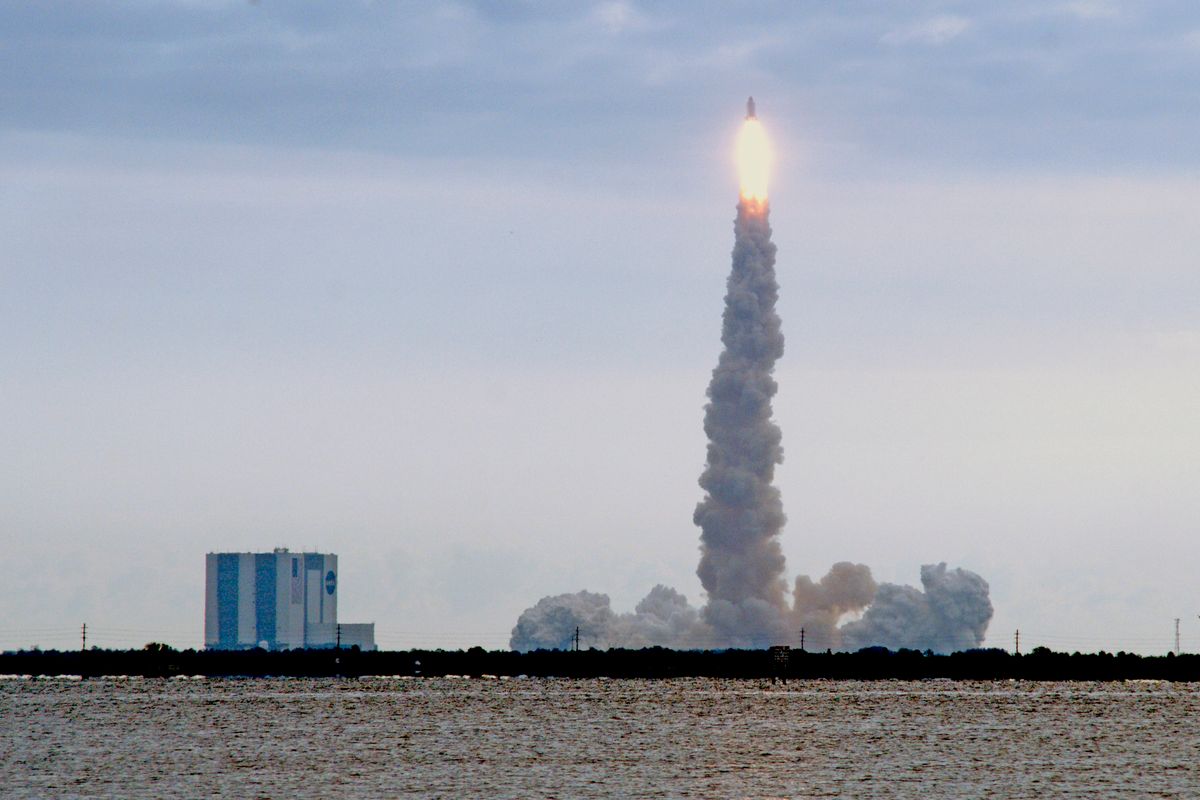
How launch schedules, restricted access, and Port Canaveral operations shape practical Space Coast service businesses and where to stay before relocating.

Atlanta film-tech operators can sell data discipline, backup, crew coordination, and rights clearance workflows to productions that need reliability more than hype.

How Hawaii reef-monitoring firms can sell data to resource managers, not tourists, and what a small pilot must prove before scaling.

A practical guide to building an eastern Idaho industrial cybersecurity firm around energy operators, INL-adjacent buyers, and relocation choices in Idaho Falls.

How a Chicago warehouse automation consultant can pick one bottleneck, validate demand, and base operations and temporary housing on real site access needs.

An Indianapolis-focused guide to validating life-science cold-chain handoffs before equipment purchases, with local ecosystem facts, trade-offs, and a first-project test.

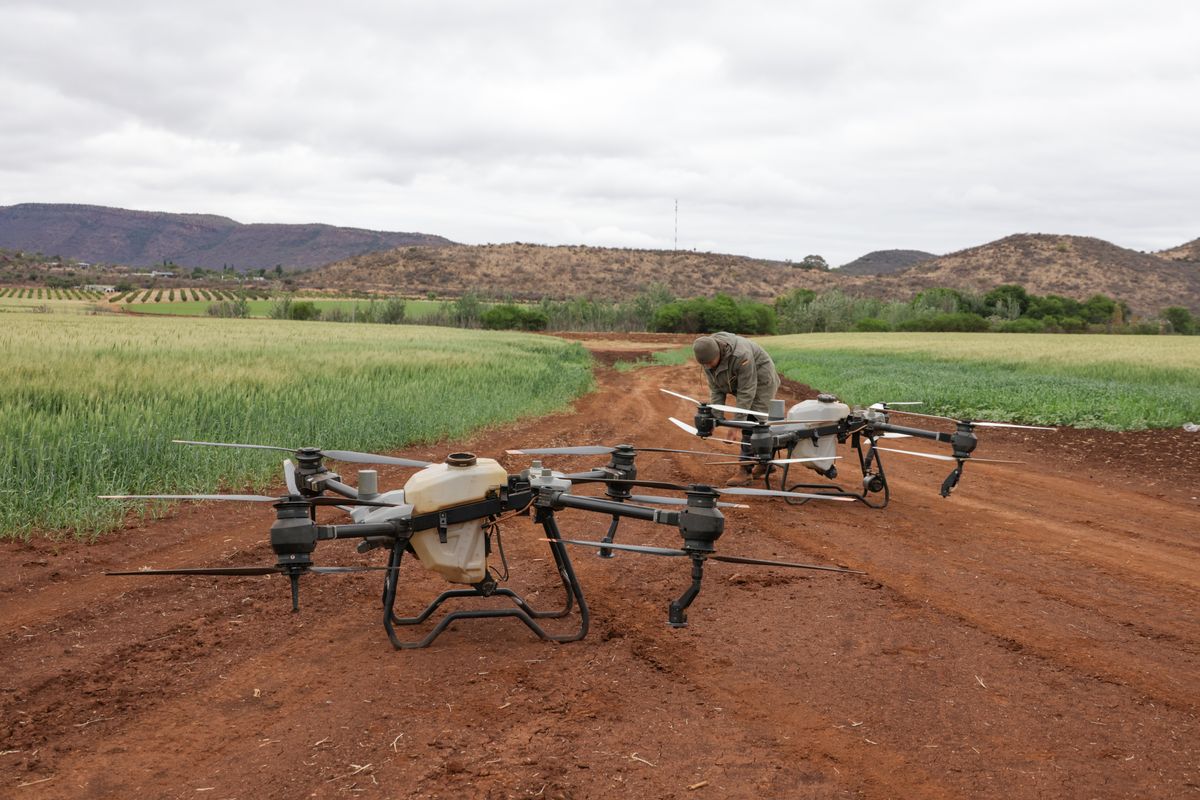
Iowa agricultural-drone operators must separate scouting from spraying, map Part 107 and Part 137 duties, and choose a business model that fits local seasonality.

How Wichita’s FAA Part 145 ecosystem, SBDC support, and MRO geography shape a specialized aviation repair startup’s scope, insurance, and relocation choices.

Explore Kentucky bourbon support businesses in packaging, traceability and byproduct reuse, with practical customer tests and relocation decisions.

How Louisiana coastal-resilience service firms can win data, maintenance, and field-support work by matching CPRA procurement, field access, and Baton Rouge logistics.

A practical guide to building Maine aquaculture support services around real farm workflows, waterfront constraints, leases and careful relocation testing.

Maryland software contractors need to map cybersecurity rules, CMMC scope, and local procurement channels before bidding on public-sector work.
How Worcester’s biomanufacturing support ecosystem shapes niche selection, funding trade-offs, staffing, and temporary housing decisions outside Boston.
A Detroit-focused guide to vehicle-software testing businesses, with a niche offer, permitting context, relocation choices, and a worked first-project example.

How Minnesota’s accessible digital-health buyers, statewide procurement rules, and Twin Cities relocation choices shape a realistic first product path.

Mississippi Delta catfish support enterprise opportunities hinge on pond mechanics, records, water quality, and seasonally timed service around live-fish production.

How to build a St. Louis geospatial business around repeatable buyer decisions, local delivery constraints, licensing, and early customer validation.

Missoula and Bozeman outdoor-product founders can validate demand, manage inventory risk, and plan temporary housing before buying stock or committing to a move.

Nebraska ag-tech founders can test field-data products, manage ownership terms, and choose a Lincoln-based or near-farm launch plan with real trade-offs.

A Northern Nevada guide for battery-reuse ventures that separates diagnostics from hazardous handling, with local sourcing, relocation, and go/no-go checks.

A New Hampshire factory-digitization guide on work instructions, buyer choice, change management, and relocation trade-offs for a first automation service.

Central New Jersey can support clinical-trial operations firms that need documentation rigor, sponsor-facing logistics, and access to life sciences infrastructure.

How New Mexico’s national-lab ecosystem can help a tech business validate, license, and sell—without mistaking lab contact for a customer pipeline.

A field guide to testing a Rochester photonics venture through scheduled lab work, customer proof, IP controls and a reversible monthly stay.

North Carolina guide for AI implementation firms in the Research Triangle, focused on safer workflows, client validation, and relocation choices.

Grand Forks has unusual UAS infrastructure, but airspace access, site choice, and customer demand still require careful validation before relocating or investing.

How Dayton’s manufacturing network, quality expectations, and nearby temporary housing choices shape an additive-manufacturing launch before buying more printers.

How a Tulsa-based field-data service can convert inspections into maintenance action, with local ecosystem facts, due diligence, and a first-customer test.

How Oregon’s Hillsboro-centered chip cluster supports semiconductor service firms, what reliability and supplier requirements mean, and where relocation fits the first contract.

How a Pittsburgh robotics integrator can pilot one machine in a real plant: scope, staffing, due diligence, and where to stay while proving it out.

Rhode Island offshore-wind support businesses: port access, Quonset-adjacent logistics, and buyer readiness for firms testing the offshore wind supply chain.

Practical guide to Charleston port-adjacent services a small logistics team can offer, with local resources, trade-offs, and a first-client validation example.

How Sioux Falls can support outsourced financial operations work, where the control risks sit, and how to validate a first client without overcommitting.

A Chattanooga digital-business playbook on fiber, buyers, housing, and due diligence so founders choose customers before committing to space.

Houston-focused guide to launching industrial AI consulting around decision support, human approval, and cautious pilots without touching control systems.

A Utah field guide for B2B software founders to test operational customer niches, price pilots, plan support, and choose a temporary base.

How a Burlington-area traceable-batch food producer can test Vermont demand, manage compliance, and choose housing before committing to a facility move.

A Virginia guide to launching a Northern Virginia cloud security firm, focusing on shared responsibility, procurement, incident response, and relocation choices.

A practical Washington guide for maritime electrification services: charging plans, terminal realities, relocation choices, and a first-project test for Seattle-area operators.

How West Virginia outdoor-tourism operators can use technology to match demand to New River Gorge capacity, choose permits carefully, and plan relocations.

How a Wisconsin water-technology company can choose a Milwaukee pilot, measure sampling, control operating cost, and decide whether relocation is worth it.

Buying a Wyoming business before relocating can work if the seller, cash flow, workforce, and location fit; this guide ties succession to moving decisions.