Vermont food-production technology: a small business built around traceable batches
How a Burlington-area traceable-batch food producer can test Vermont demand, manage compliance, and choose housing before committing to a facility move.
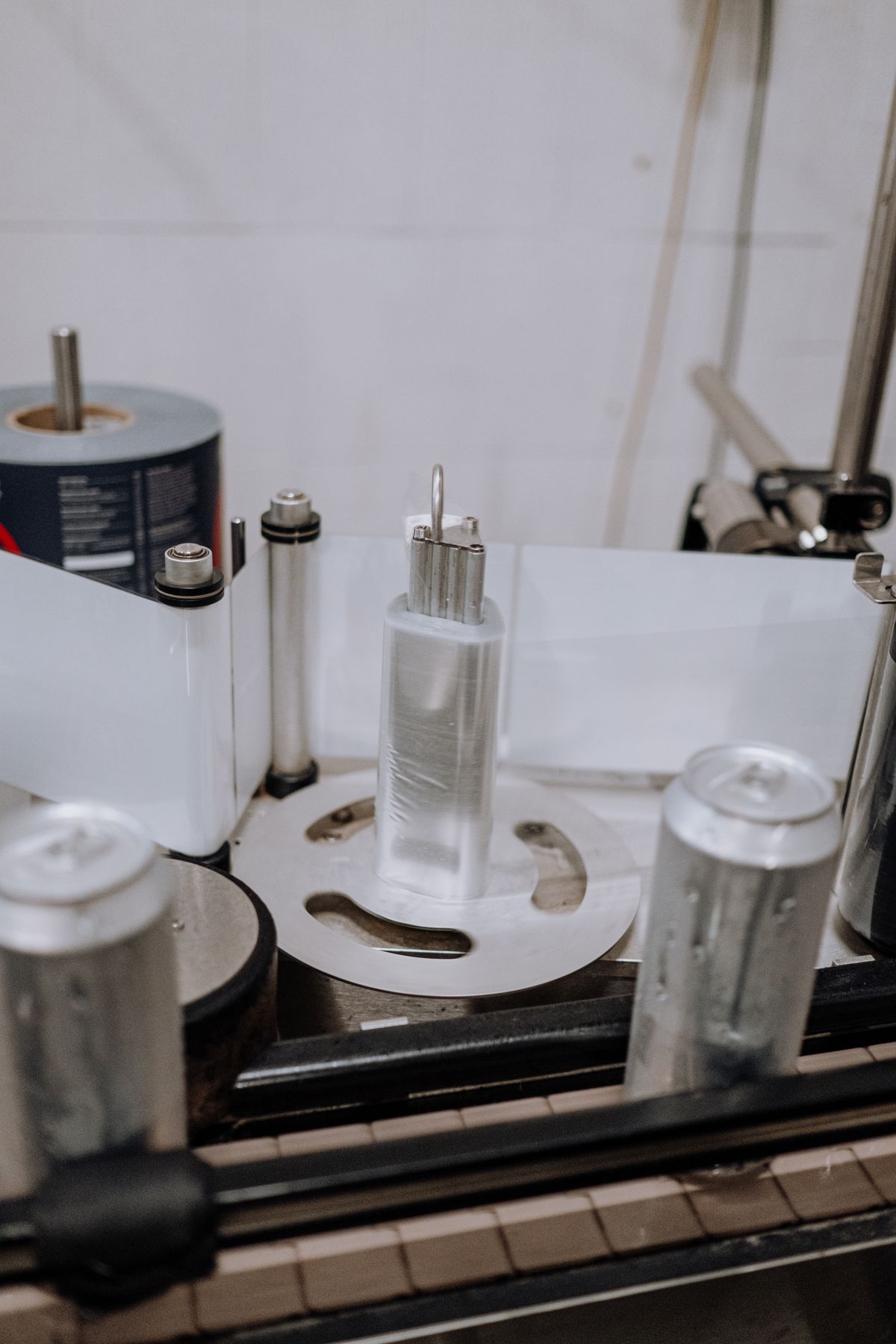
Illustrative editorial photograph · Pexels. Not a photograph of a marketplace listing.
A food-production technology specialist may need an extended Vermont period for authorized process observation, staff training and a records pilot. A monthly stay supports the person’s daily life, not the manufacturing, storage or safety infrastructure of the food business.
A small Vermont food business built around traceable batches lives or dies on operational discipline: clean ingredients, consistent processing, and records that can survive a recall question, a buyer audit, or a seasonal staffing crunch. In Vermont, that discipline fits a real regional pattern rather than a trend slogan. UVM Extension’s Agricultural Engineering program says it exists to improve Vermont’s food systems through analysis, design, evaluation, and adoption of infrastructure, technology, and equipment for producers and processors, and it notes that regional processing of crops into value-added food products is rising. That matters because a batch-traceable business is not just selling sauce, granola, or frozen entrées; it is selling proof that the work can be repeated and documented. The UVM Extension Agricultural Engineering page and the UVM Extension agriculture and food systems programs page are useful starting points because they show where technical support and related business resources sit inside the university, but neither page guarantees funding, facility access, or customers.
A Vermont home while a food-production workflow is assessed
Choose accommodation around the actual producer or approved work location, whether near Burlington or elsewhere. Ask about ordinary living needs and keep commercial food processing, customer samples and regulated storage within authorized facilities. Month ‘n’ More helps you find furnished monthly stays and contact owners about the actual home and your dates; it does not place workers or award business contracts.
Owners should accurately describe a household kitchen as a household kitchen, not an approved production space or property endorsed by a food manufacturer. If the home is suitable, list a furnished monthly property on Month ‘n’ More and describe only what you can genuinely offer. This is a possible use case to evaluate, not measured or guaranteed rental demand.
food production in Vermont: where traceability becomes a business model
For this topic, food production means more than cooking in a licensed kitchen. It means selecting ingredients, setting processing steps, keeping lot identity, and preserving enough history to answer who made what, when, and from which inputs. Vermont is a sensible place to do that because the state’s food system has a strong local and regional orientation, and UVM Extension explicitly describes increased localization, diversification, and demand for safe, locally sourced foods year-round. In practice, that creates a niche for businesses whose pitch is not simply “made in Vermont” but “documented by batch.” Buyers such as specialty grocers, institutional food purchasers, meal kits, and regional distributors often care about product consistency, shelf-life controls, and faster issue resolution when lots are traceable. The commercial trade-off is that traceability adds overhead. Every lot code, production log, and ingredient receipt takes staff time and software discipline. Yet that overhead is also what can make a small company easier to sell into higher-standard channels later. A business that starts with batch records from day one can answer buyer questions about allergen handling, ingredient origin, and processing dates without rebuilding its workflow after growth has already created confusion.
batch records: the core operating system, not just paperwork
Batch records are the center of the model. They should connect purchasing, receiving, production, packaging, and shipping in a way that lets you trace a finished carton back to the ingredient lot and forward to the customer. For a Vermont operator, that is especially important because regional distribution can be fragmented: one order may go to a Burlington retail account, another to a county co-op, and a third to a direct-to-consumer shipper. If a problem appears, the value of good records is speed and precision, not perfection theater. A batch record system for a small business should at minimum capture: raw material lot numbers, supplier name, receipt date, production date, equipment used, any rework, packaging code, cleaning/sanitation verification, and the distribution destination for each lot. The economics here are real. Better records may force you to buy label printers, record-keeping software, or extra time in the packing room. But they can also reduce rejected shipments, simplify product swaps, and limit the scope of a hold if a buyer flags an issue. For first-time owners, the mistake is to see batch records as compliance paperwork instead of a production asset. In a traceable-batch business, records are part of the product.
food safety and distribution: the two channels that shape facility choice
Food safety and distribution should be designed together. A process that is safe on paper but impossible to ship efficiently will fail commercially, while a distribution plan that assumes daily runs to every customer can create inventory age and record-keeping gaps. Vermont’s geography makes this especially important around Burlington, where local demand can be dense but the surrounding customer base is spread across a broader rural market. That means a business may need short-day production, refrigerated staging, and delivery windows that fit a mix of city accounts and outside-the-city routes. Food safety choices influence capital exposure. You may need allergen segregation, cold storage, cleanable surfaces, and receiving space sized for small but frequent deliveries. Those choices should be checked against the product category, state and federal rules, and the buyer’s own specifications. Do not assume that a shared kitchen, incubator, or pilot facility automatically lets you sell any product anywhere; those are work sites or training environments, not blanket permissions. If the business plans to use a co-packer, the contract should spell out who owns lot coding, who keeps records, and who responds first to any quality issue. That is legal and operational territory where a qualified attorney or food-systems consultant can save expensive mistakes.
Burlington as an access point, not a shortcut
Burlington matters because it sits near customer density, university expertise, and practical logistics, but it should not be treated as a magic location. A Burlington-based owner or manager may benefit from shorter trips to accounts, easier access to inspection or consulting appointments, and a more convenient location for training staff. Yet a facility near the city can also mean higher rent pressure, tighter parking for delivery vehicles, and the need to coordinate production around traffic and loading constraints. This is where relocation decisions become part of the business plan. If the first phase uses a rented commercial kitchen, a temporary stay in Burlington can make sense if your work hours are early-morning production and late-afternoon deliveries. If production is outside the city, but the customer base is in Burlington, a monthly stay closer to the route can reduce commuting fatigue during launch. Readers can compare furnished monthly stays through Month n More search for Vermont options and, if they own a property and need to discuss a business-aware monthly arrangement, they can review how owners list a place for monthly stays. That site helps people find furnished monthly housing and contact owners; it does not promise instant reservations, specific internet speeds, or business-permitted workspaces. The question is not merely where to sleep, but where the production schedule, delivery hours, and storage needs make temporary living practical before a full move.
Hypothetical first project example: one SKU, one buyer segment, one stop rule
Example: a small operator in Chittenden County wants to launch a shelf-stable tomato sauce with a clear Vermont origin story, coded by batch and sold to independent grocers within a two-county radius. The first project is not a statewide rollout. It is a single-sku validation with one buyer segment: neighborhood grocers that already carry local products and care about repeatable shelf presentation. Success metric: within the first limited production run, the business secures repeat reorder interest from at least one buyer after the buyer receives samples, product specs, and a lot-coded shipment that arrives on time with complete batch records. Stop/no-go condition: if the owner cannot produce consistent batch documentation, cannot keep the ingredient cost and packaging workflow stable enough to repeat the run, or cannot get a second conversation with a buyer who handles local shelf-stable products, the project should pause before buying more packaging inventory or signing a longer facility commitment. That example is useful because it tests both technology and market fit. The product may taste good, but the commercial question is whether traceability, packaging, and distribution can be repeated without hidden labor spikes. If the answer is no, the business should narrow scope before scaling up.
Commercial trade-offs: scope, pricing model, and operating cost exposure
A traceable-batch business has a few hard choices. First, scope: a single product family is usually smarter than many. Each additional SKU multiplies batch records, label management, inventory risk, and sanitation changes. Second, buyer type: retail can provide visibility, but foodservice or institutional buyers may demand larger case packs, stricter paperwork, and different delivery timing. Third, pricing model: you can price by unit, by case, or by custom run, but every model must reflect labor in record-keeping and the cost of compliance-oriented packaging. Fourth, integration: use simple systems that connect receiving, production, and shipping. Overbuilt software can waste cash; underbuilt spreadsheets can fail under growth. Fifth, operating cost exposure: cold storage, packaging waste, and delivery frequency can punish a business that underestimates route density. In Vermont, the fact that regional processing and value-added production are increasing does not mean every product belongs in every channel. It means the opportunity is real enough to justify disciplined testing.
Operational due-diligence checklist for a traceable-batch launch
- Map the product category, then verify the current state and federal rules, labeling requirements, and facility obligations with a qualified professional before buying equipment.
- Build a batch-record template that follows one lot from receiving through processing, packing, storage, shipment, and any complaint response.
- Test whether the chosen production site can handle sanitation, ingredient storage, access hours, and delivery loading without disrupting records or food safety controls.
- Confirm who owns the label art, lot coding method, and product specifications if you use a co-packer or shared kitchen.
- Review distribution geography: Burlington-area drop-offs, rural route density, and whether one delivery day or two is more realistic for your first accounts.
- Keep a cash cushion for packaging changes, rejected lots, and the possibility that the first buyer conversation becomes a no-go rather than a launch.
Two Vermont-specific resources deserve a place in the launch file. UVM Extension’s Agricultural Business Resource Library points readers to planning tools, pricing resources, and financing references, including mark-up and margin guidance and business valuation material at https://www.uvm.edu/extension/agricultural-business/agricultural-business-resource-library. That matters because a traceable-batch business cannot price like a hobby kitchen. It has to cover records, packaging, delivery, and the cost of making one lot look exactly like the last one. The library also reflects that Vermont has practical, not just promotional, business support for farms and food enterprises. Still, every workbook or guide is informational, not a substitute for accounting, legal, or regulatory advice.
The most sensible decision is not to rush into ownership of a kitchen or warehouse. It is to test a single traceable product from a temporary or lightly committed operating base, use batch records to prove repeatability, and choose housing that supports the actual work schedule rather than the fantasy of a permanent headquarters. If the first run produces clean records, a willing buyer, and manageable delivery geography around Burlington, then a longer Vermont move can follow with more confidence.
For the local context and services discussed here, consult About – UVM Extension Ag Engineering and Agricultural Business Resource Library | Agricultural.... Check current availability and eligibility with the responsible organization before making a business or relocation commitment.
Make your next month feel more settled.
Related reading

Vermont Rural Internet: Verify It Before Remote Work
How to verify rural Vermont internet and plan a remote-work backup before choosing a monthly stay in Burlington, Barre, or beyond.

A relocation checklist for your temporary home
A steady, step-by-step plan for finding a place, organizing arrival and making the first few days in a new city less hectic.