Washington maritime electrification services: match charging plans to real vessel operations
A practical Washington guide for maritime electrification services: charging plans, terminal realities, relocation choices, and a first-project test for Seattle-area operators.
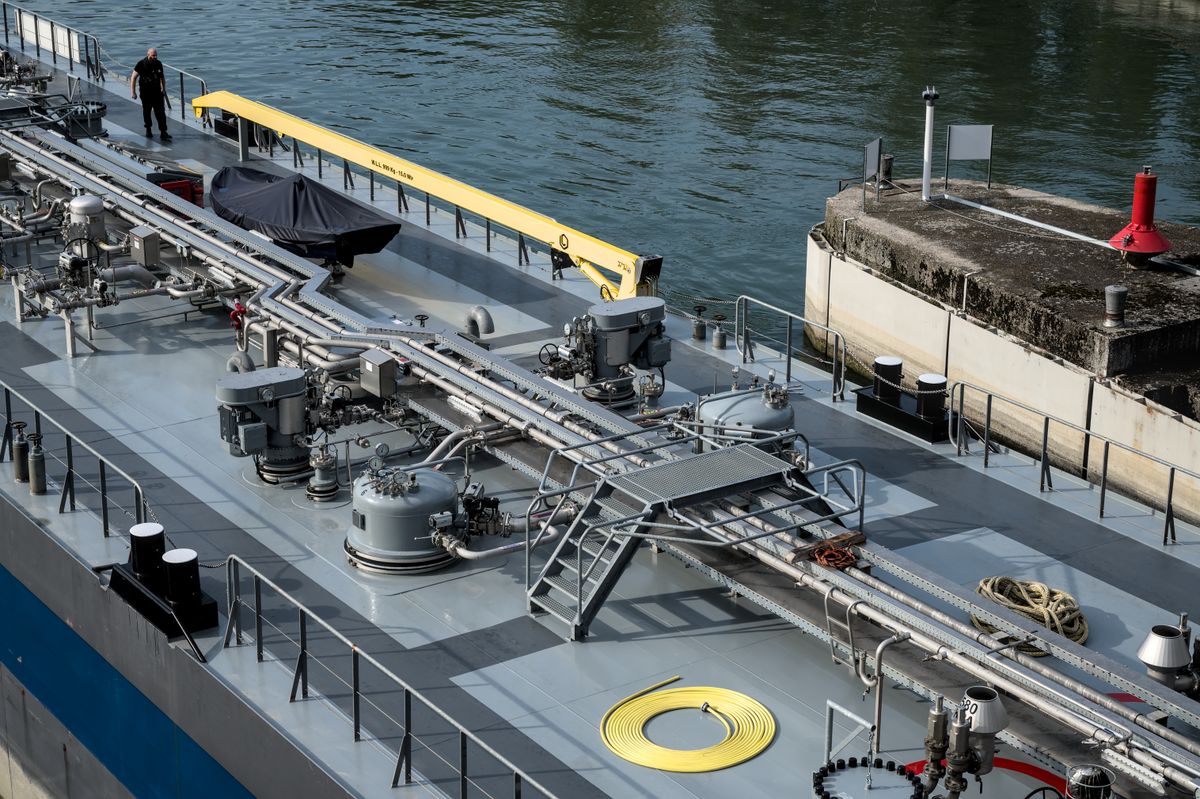
Illustrative editorial photograph · Pexels. Not a photograph of a marketplace listing.
A maritime-electrification specialist may spend a sustained period in Washington coordinating an approved vessel or charging-related engagement. The monthly-home connection is the specialist’s temporary living need, separate from vessel access and infrastructure permissions.
Washington’s ferry system makes maritime electrification less like a concept paper and more like a live operations problem: the charging plan has to fit a schedule that cannot simply pause for a better battery day. That is why the most useful business opportunity here is not a generic “green tech” pitch, but a service that matches shore power, vessel duty cycles, terminal constraints, and maintenance windows to actual vessel operations.
A Seattle-area home while maritime coordination continues
Locate the actual waterfront, office and authorized work destinations before choosing a Seattle-area or other base. Ask about ordinary transport and household arrangements; arrange marine equipment, vessel operations and electrical work at their approved locations. Month ‘n’ More helps you find furnished monthly stays and contact owners about the actual home and your dates; it does not place workers or award business contracts.
Owners should describe a residence accurately without promising marina access, vessel storage, infrastructure approval or affiliation with a ferry operator. If the home is suitable, list a furnished monthly property on Month ‘n’ More and describe only what you can genuinely offer. This is a possible use case to evaluate, not measured or guaranteed rental demand.
maritime electrification in Washington starts with operations, not slogans
For a company selling design, integration, commissioning support, or operational planning, Washington is attractive because the demand signal comes from real fleet modernization rather than only from abstract sustainability goals. Washington State Ferries says it will rebuild and modernize the largest ferry fleet in the country by transitioning to hybrid-electric power by 2040, and it has already selected a standard vessel charging system so the same charging equipment can be used at all terminals. That standardization matters commercially: a vendor that can design once and adapt across terminals has a better chance than one offering a one-off solution that only works at a single dock. See the state’s own program page for the current project framing at WSDOT’s ferry system electrification page.
The business question is therefore not “Can electrification exist?” but “Which part of the stack is worth selling?” In Washington, likely niches include terminal-side electrical coordination, charging controls, vessel energy management software, cable-handling systems, predictive maintenance for charging hardware, marine-grade switchgear integration, and simulation services that test turnarounds under mixed weather and delayed-sailing conditions. The proven customer demand is the state ferry program and related regional maritime decarbonization work; the niche should be sized to that demand, not to a vague belief that every harbor operator will switch immediately.
Seattle as the practical base for customer access and technical talent
Seattle matters because it is where much of the maritime innovation ecosystem, port activity, engineering talent, and policy conversation concentrates. Washington Commerce describes Maritime Blue as a statewide strategy built around the maritime cluster, innovation, and decarbonization, and it notes that the Port of Seattle committed $10.5 million to the Maritime Innovation Center while additional state funding was proposed. Those are dated historical commitments, not guarantees of current availability, but they show where the state has concentrated its attention: Seattle is not just a market, it is a coordination hub. The Commerce announcement also ties electrification to sustainable vessel design and manufacturing, which means a Seattle-based service firm can more easily meet agencies, shipyards, designers, and component suppliers in a small radius. The source is here: Washington Maritime Blue’s launch announcement from the Department of Commerce.
That location advantage is commercial, not magical. A Seattle office can shorten in-person design reviews, terminal walkthroughs, and late-breaking coordination calls, but it does not give automatic access to ferry terminals, labs, or public procurement. If the service requires frequent terminal visits, the cost of crossing water, parking near terminals, and aligning with early-morning vessel windows should be built into the operating model. For some firms, a smaller workspace in Seattle plus field staff who stay near work sites during commissioning will be more efficient than a large headquarters farther inland.
charging and vessel operations: where the engineering trade-offs live
Charging for maritime electrification is not the same as installing chargers for cars at a depot. The vessel’s schedule, dwell time, route length, load profile, and terminal infrastructure all shape the system. Washington’s ferry program explicitly emphasizes a standard vessel charging system and identical equipment at terminals so ferries can shift terminals as needed to preserve service reliability. That means a vendor has to think about compatibility, redundancy, maintenance access, and operational recovery when a sailing is delayed or a terminal assignment changes.
The trade-off is straightforward: more robust systems usually cost more to build and can take longer to coordinate, but they reduce the risk that one mechanical issue cascades into a missed sailing. Hybrid-electric ferries also provide a second power source, which the WSDOT page describes as an added resiliency feature if there are issues with the electricity. A service business can make money by helping owners and operators decide where resiliency is essential and where a simpler design is enough. In Washington, that may mean advising on whether to prioritize fast turnaround, equipment commonality, modular replacement, or higher tolerance for backup operation.
Because the buyer could be a public agency, a private operator, or a shipyard team under contract, the pricing model should be matched to the scope. A fixed-fee feasibility study is sensible when the technical unknowns are large. An integration support retainer may fit ongoing terminal standardization. Commissioning and training support can be priced separately from hardware selection so the firm is not exposed to equipment lead times it does not control. None of that is a substitute for procurement and legal advice; firms should verify current solicitation rules and contract terms before investing heavily in proposal work.
Worked example: a first project for Washington maritime electrification services
Example: a small Washington firm proposes to help a regional ferry operator evaluate whether a terminal charging upgrade can support a more predictable hybrid-electric schedule. The first project is a limited-scope operations study, not a hardware sale. It maps vessel arrival windows, turnaround procedures, backup power assumptions, and maintenance downtime, then identifies the minimum charging configuration that would preserve service if one terminal is temporarily unavailable. The success metric is simple: the operator signs off on one preferred operating concept and one backup concept that both fit the route’s schedule and safety constraints. The no-go condition is equally simple: if the project cannot produce a concept that fits the operator’s actual dwell time and terminal constraints without depending on unrealistic staffing or construction assumptions, the firm stops before proposing a bigger design package.
That example keeps the economics honest. The firm is testing demand for its analysis, not pretending that every client will buy a multi-year buildout. If the operator values the study because it improves board decision-making, the next step might be detailed engineering. If the operator mainly wants a quick equipment quote, the service company should avoid overbuilding its scope. In maritime electrification, the most expensive mistake is often not technical failure but selling the wrong level of service to the wrong buyer.
maritime business model choices: who pays, what you integrate, and what you avoid
A Washington maritime electrification service can aim at three adjacent buyers. First, the ferry operator or port authority that needs planning and integration support. Second, shipbuilders and marine engineers who need technical coordination with shore systems. Third, component suppliers that need local validation, commissioning, or field support. Each buyer changes the scope. The operator wants operational continuity. The shipbuilder wants interface clarity. The supplier wants installation confidence. A company that tries to serve all three with one generic offer often ends up underpricing its complexity.
The commercial trade-off is between depth and reach. Deep specialization in ferry charging systems may create stronger credibility with Washington buyers, especially when the state wants uniform equipment across terminals. Broader maritime decarbonization consulting may create more possible clients but less project specificity. A company should not assume that a good statewide story automatically translates into recurring revenue. Historical announcements about Maritime Blue, the maritime innovation center, or ferry electrification show direction, not guaranteed contract flow.
relocation and housing decisions tied to real work windows
If the work requires early terminal access, onsite troubleshooting, or repeated meetings around Seattle and Puget Sound, temporary housing should be chosen for logistics rather than scenery. A monthly stay near Seattle, Bremerton, Bainbridge-adjacent ferry access, or another relevant work corridor can reduce commute friction during commissioning and field visits. The point is not to live where the food photos look best; it is to stay where morning site calls, equipment deliveries, and customer meetings are plausible without exhausting the team. For month-by-month options, the marketplace at Month ’n’ More search is useful for finding furnished stays, while owners who want to make a place available can review Month ’n’ More’s list-your-place page.
A practical relocation rule is to avoid signing a long lease before the work pattern is clear. If your first months involve multiple terminal visits and uncertain field hours, use a temporary stay close to the actual work zone, then reassess after the first commissioning cycle or first study project. That is especially relevant if your team needs equipment storage, early departures, or late returns after vessel windows close. Calendar-month stays should be booked by exact dates, not assumed to be a generic 30-day block, because project timing often spans partial months.
Operational due-diligence checklist for Washington buyers and vendors
- Confirm which terminal, vessel class, or route the charging plan must support, and whether the scope is planning, controls, integration, or commissioning.
- Check whether the buyer is the state, a county, a port, a shipyard, or a private operator, because procurement and insurance requirements differ.
- Verify which standards, interface documents, and terminal design assumptions the buyer is using today; do not rely on a dated announcement alone.
- Test whether backup power, redundancy, and maintenance access fit real sailing windows and emergency procedures.
- Separate hardware supply from engineering services so the proposal reflects what your firm actually controls.
- Review relocation needs against the site schedule: field work, dock access, equipment handling, and customer geography may justify a short monthly stay before any permanent move.
- Ask counsel or a qualified procurement professional to review bidding, licensing, and contract obligations before committing capital.
The decision in Washington is not whether maritime electrification is “the future”; the decision is whether your firm can solve the operational problem better than larger integrators or generalist consultants. If your strength is ferry charging coordination and vessel-operations analysis, Seattle is a sensible base, but only if you pair it with a temporary housing plan close to the work sites and a first project that proves your method on one route before you chase a broader rollout.
For the local context and services discussed here, consult Ferry system electrification | WSDOT and Washington Maritime Blue launches ambitious plan for .... Check current availability and eligibility with the responsible organization before making a business or relocation commitment.
Make your next month feel more settled.
Related reading

Seattle Stays With a Baby: Bring Less, Check More
How to judge a Seattle monthly stay for a baby: what gear to bring, what to ask about a crib, and which local mobility and childcare facts affect the choice.

A relocation checklist for your temporary home
A steady, step-by-step plan for finding a place, organizing arrival and making the first few days in a new city less hectic.