Alaska remote-site IT: building a service around connectivity, spares and seasonal access
An Alaska IT service built around connectivity, spare equipment, weather delays, remote support, and Anchorage staging can win by planning for distance first.

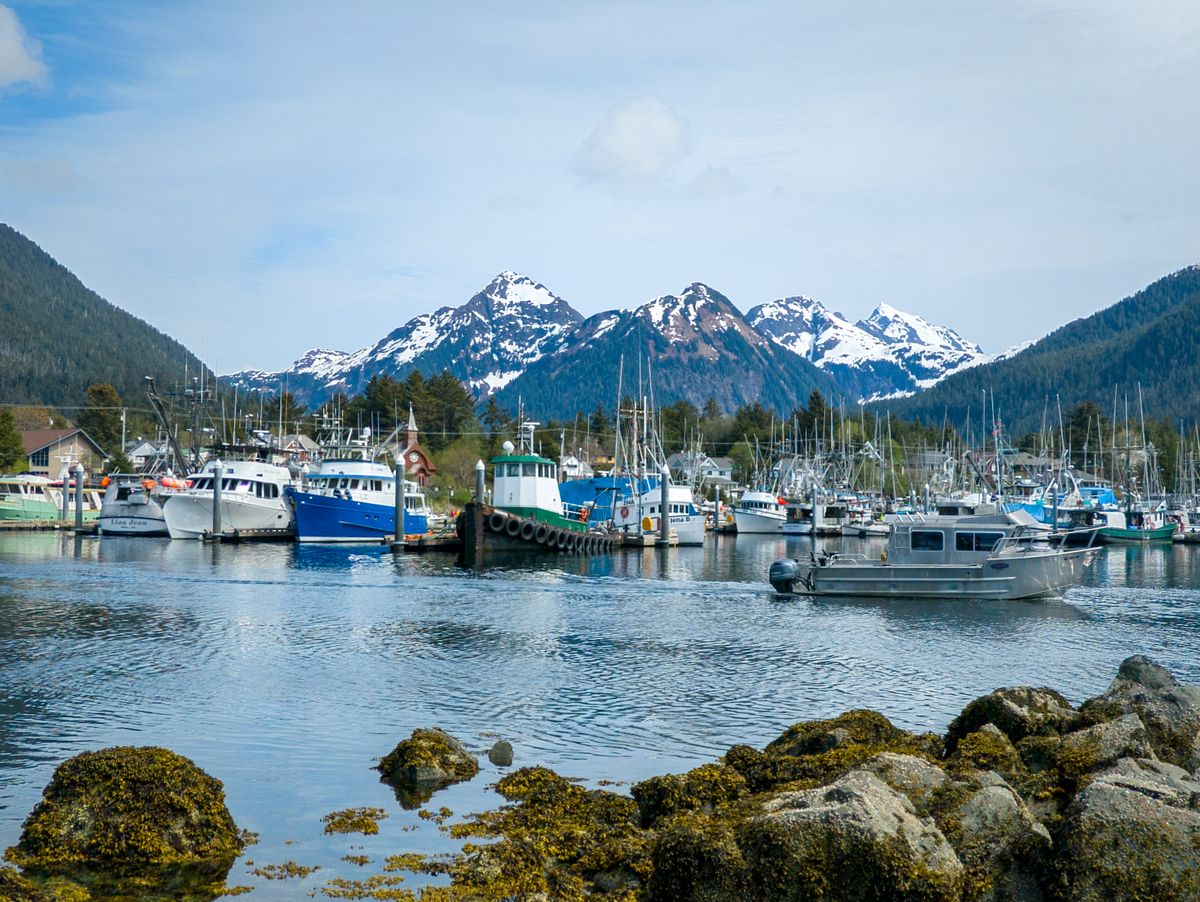
Illustrative editorial photograph · Pexels. Not a photograph of a marketplace listing.
Remote-site IT work in Alaska can combine a sustained staging period with travel to a customer location. A technician may need a dependable home base while approved deployment plans and equipment shipments are coordinated, rather than committing immediately to a permanent move.
In Alaska, a remote-site IT service is less about selling computers and more about keeping scattered operations usable when the weather, the freight line and the clock all push against you. A workable niche sits at the intersection of connectivity troubleshooting, spare equipment logistics, remote support and planned field visits, especially for organizations that cannot wait weeks for a replacement router or a technician to arrive. That makes the business model unusually dependent on where you live, where you stage parts, and how you absorb weather delays without breaking service commitments.
Housing around a remote-site support assignment
Establish whether the assignment actually keeps you near Anchorage or another staging destination for calendar months. Confirm the home’s internet details, arrival access and ordinary storage limits; it cannot substitute for an approved equipment depot or transport plan. Month ‘n’ More helps you find furnished monthly stays and contact owners about the actual home and your dates; it does not place workers or award business contracts.
Owners should describe actual internet service, access arrangements and household storage clearly, while avoiding promises about remote-community travel, weather reliability or commercial equipment storage. If the home is suitable, list a furnished monthly property on Month ‘n’ More and describe only what you can genuinely offer. This is a possible use case to evaluate, not measured or guaranteed rental demand.
Why Alaska rewards a different IT service model
The local context matters. Alaska SBDC says it is hosted by the University of Alaska Anchorage within UAA’s Business Enterprise Institute, so Anchorage is not just a city name here; it is a realistic operating base for business support, courier access and parts staging. The same source says the statewide small business survey captured nearly 960 small businesses across 92 communities and covered 75% of Alaska’s industries, which is a reminder that demand is geographically broad but dispersed. Another Alaska SBDC page reports that by April 2025, a re-engaged group of 273 businesses reflected a very different mood from the original sample. For this kind of IT service, that means many buyers are cautious, budget-aware and likely to prefer practical uptime over glossy software promises.
Those facts matter because the customer problem is not simply “technology.” It is continuity under constraints: one site may be reachable only by air or barge at certain times, another may have a staff member on a shift schedule that makes daytime support impossible, and a third may need help from someone who can diagnose a failure remotely before deciding whether to ship a replacement. That shifts value toward response design, inventory discipline and clear service boundaries more than toward a standard hourly break-fix model.
Plausible niches versus proven demand
A plausible niche is not the same as proven customer demand. In Alaska, a remote-site IT business can target places that already have operational pressure from distance: rural clinics, contractors with project camps, lodges, nonprofits, local retailers, fisheries, municipal outposts and seasonal tourism properties. But those categories are only plausible until you validate a specific buying trigger. The strongest trigger is usually not “we like IT help” but “our connectivity or equipment outage stops revenue, reporting or safety-related operations.”
The Alaska SBDC’s own service mix suggests how a new owner should think: it offers one-on-one advising, workshops, tools and a professional referrals list that includes IT and legal help. The practical takeaway is that Alaska already has a small-business support structure, but that does not equal a ready-made market. You still need to identify which customer class feels enough pain to pay for remote diagnostics, spare equipment management and scheduled site visits. If the likely customer only wants occasional advice, the business may be better as a consulting side practice; if the customer needs continuity guarantees, it may support a recurring service agreement.
What the service actually sells
The cleanest offer is a managed continuity package built around three promises: monitor the connectivity path, hold or rapidly source spare equipment, and perform remote support before dispatching an on-site visit. That package can be sold monthly or per site, with extra charges for travel, emergency response windows or shipped replacements. The point is to reduce downtime decisions for the buyer, not to pretend every issue can be solved from afar. Remote support is valuable only when the customer has a staff member who can follow clear instructions, or when the equipment can be rebooted, swapped or reconfigured without special licensing or access constraints.
A stronger Alaska model often includes staging at Anchorage because many supplies, trainers and repair partners are there, even if the actual customers are elsewhere. That does not mean the business must be in downtown Anchorage forever, but it does mean that housing and workspace decisions should be made around freight pickup, airport access, and the timing of service calls. A temporary furnished stay near your staging point can make sense while you test routes and customer geography. If you need a short-term base while you build the first accounts, you can look at monthly furnished stays in Alaska through Month ’n’ More and compare them with where your parts, vehicles and client sites will actually be. If you are an owner considering a room or apartment that might also be used as a low-traffic admin base, listing your place on Month ’n’ More may help you understand how monthly-stay inventory is presented, but it does not guarantee workspace permission or business suitability.
Worked example: a first contract in a weather-sensitive market
Example: a six-location regional contractor based in Anchorage but operating crews around Alaska asks for help after repeated network outages and lost time syncing project records. The IT service proposes a continuity package with remote monitoring for the office connection, a labeled spare kit for the office and one field unit, and a response rule that starts with remote triage before any dispatch. Success metric: within the first 90 days, at least four of the six locations can restore basic connectivity or printing through remote steps or a pre-positioned spare without waiting for a full replacement shipment. Stop/no-go condition: if the buyer will not maintain a staff contact for remote hands, will not approve a spare-equipment list, or insists on a near-impossible same-day promise during known weather delays, the deal should be declined or rewritten.
That example shows the commercial trade-off. A recurring contract can stabilize cash flow, but only if it covers the cost of keeping spare equipment in circulation, pretesting replacements, and absorbing the occasional empty trip caused by weather delays. By contrast, pure hourly remote support is cheaper to start but can become unprofitable if every issue turns into a long diagnostic session or a shipment problem. The buyer may prefer a lower monthly retainer plus incident charges, while the seller may want a minimum commitment that justifies holding parts and reserving response windows. Negotiating that balance is the business model, not a side detail.
Operational due diligence before you commit
- Map which customers can be served remotely and which require on-site access, and separate those in your pricing before you buy inventory.
- Check freight cutoffs, airport cargo handling, and seasonal access patterns for the towns you want to serve; the business breaks if your spare equipment arrives after the outage.
- Document which devices you are willing to support, which vendors you will not manage, and what counts as a billable dispatch versus a remote fix.
- Confirm any landlord rules if you plan to store inventory or receive shipments at a residence; a furnished stay may work for sleeping and admin, not necessarily for commercial stock.
- Use Alaska SBDC resources for tools, workshops and referrals, and verify current program details through the Alaska SBDC services page rather than assuming every offer is open or appropriate today.
Where to live while testing the route
For this business, relocation is an operating decision. If most customers are reachable from Anchorage only by flying onward or shipping parts, then living near the Anchorage logistics loop may be smarter for the first season than moving immediately to a remote customer region. That lets you receive equipment, attend training, meet referral partners and dispatch replacements more predictably. If your first clients cluster in one borough or along a highway system, a temporary stay closer to that geography may cut response time more effectively than a central city base. The key is to choose housing around your service map, not around the appeal of a place on a map.
Before signing a lease or booking a month-by-month stay, verify the building’s rules for business traffic, deliveries and inventory storage, and confirm whether your internet backup plan depends on the property’s fixed service or on your own cellular or satellite hardware. Do not assume that being in Anchorage automatically solves connectivity; it mainly improves access to people, parts and training. For an Alaska IT service, the first commitment should be to a customer cluster and a spare-parts workflow. If those do not line up, wait, refine the offer, and start with one controlled account rather than chasing the whole state at once.
For the local context and services discussed here, consult Suite of Services | Alaska Small Business Development Center and Business Resources | Alaska Small Business Development Center. Check current availability and eligibility with the responsible organization before making a business or relocation commitment.
Make your next month feel more settled.
Related reading
Moving to Juneau: Ferry, Luggage and Arrival Plans
Juneau ferry arrivals require packing, timing, and transfer plans that fit AMHS check-in, schedule tools, and luggage realities.

A relocation checklist for your temporary home
A steady, step-by-step plan for finding a place, organizing arrival and making the first few days in a new city less hectic.