Tulsa energy-tech services: turning field measurements into maintenance decisions
How a Tulsa-based field-data service can convert inspections into maintenance action, with local ecosystem facts, due diligence, and a first-customer test.
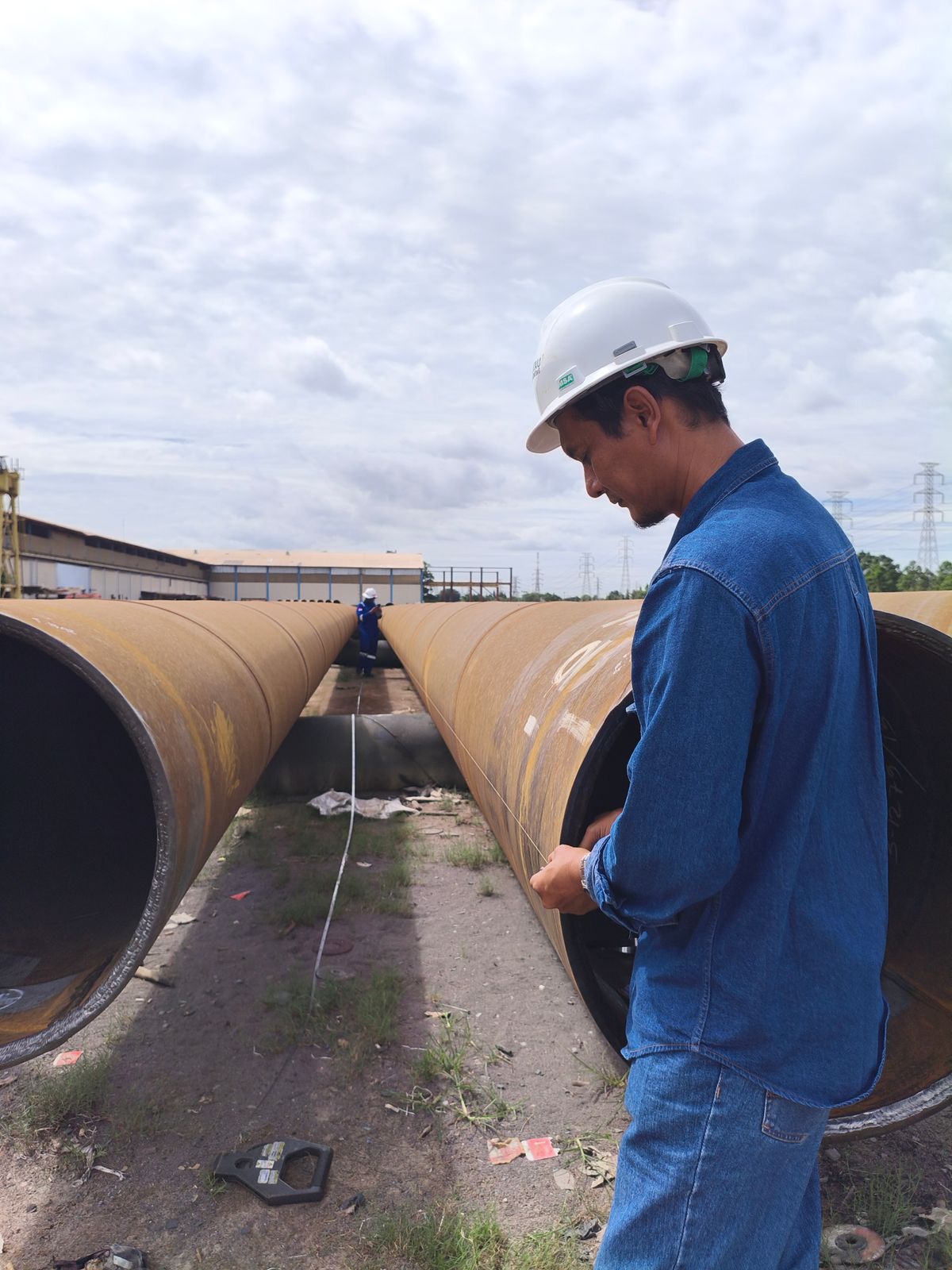
Illustrative editorial photograph · Pexels. Not a photograph of a marketplace listing.
An energy-technology specialist may need a sustained Tulsa presence to coordinate authorized measurements, customer workshops and a maintenance pilot. That creates a housing use case tied to real work, rather than to broad claims about energy-sector growth.
The strongest Tulsa energy-tech services are not the ones that promise more dashboards; they are the ones that help a maintenance team decide, today, which asset needs a crew, which one can wait, and which one should be watched after the next round of field measurements. In Tulsa, that decision-making sits close to a real industrial base: Tulsa Innovation Labs describes the city as home to more than 24,000 energy-sector jobs, and says Tulsa is an official U.S. Tech Hub for autonomous systems, a detail that matters because the market for remote sensing, inspection software, and industrial analytics is anchored by actual operators rather than speculative demand. For a service business built around inspections, trending, and work-order recommendations, the point is not to chase generic “energy tech” branding but to serve the maintenance cycle that operators already pay for.
A Tulsa living base for an approved field-data engagement
Identify the approved office and field destinations before choosing accommodation. Confirm everyday access, parking and internet, and arrange industrial equipment, sensitive operational data and field activities through the customer’s authorized facilities. Month ‘n’ More helps you find furnished monthly stays and contact owners about the actual home and your dates; it does not place workers or award business contracts.
Owners can accurately explain ordinary household access without promising energy-company affiliation, industrial storage or access to restricted infrastructure. If the home is suitable, list a furnished monthly property on Month ‘n’ More and describe only what you can genuinely offer. This is a possible use case to evaluate, not measured or guaranteed rental demand.
Tulsa field measurements, maintenance, and site safety: what the service actually sells
A Tulsa-based company in this niche is usually selling a workflow, not a gadget. The workflow starts with field measurements from technicians, drones, fixed sensors, handheld devices, or contractor reports and ends with a maintenance decision: inspect again, repair now, defer, or escalate for engineering review. That sounds simple, but the value comes from reducing ambiguity. If a compressor skid, tank battery, pipe rack, or meter station generates inconsistent readings, the buyer does not want a prettier chart; they want a defensible recommendation that fits their site safety rules and maintenance budget. The best customers are often midstream operators, pipeline contractors, plant services firms, and asset managers who already track alarms but need better context on whether a reading represents a nuisance, drift, or real failure mode.
Tulsa’s industrial geography makes this work practical. The region’s energy base includes legacy hydrocarbons, transport infrastructure, and newer work in hydrogen, carbon capture, and methane reduction. Tulsa Innovation Labs also notes the city’s pipeline, processing, and storage infrastructure, and points to the nearby Cushing hub as a major logistics reference point. Those facts matter because a service business built on field measurements has to design for mixed environments: older assets with incomplete documentation, active right-of-way work, and operators who care as much about site safety and downtime as they do about software features. A product that only looks good in an office will struggle in a field environment where weather, shift changes, and access windows shape the data collection process.
Why Tulsa’s energy-tech ecosystem changes the commercial math
The local ecosystem matters most when it changes customer access and implementation speed. Tulsa Innovation Labs says Rose Rock Bridge is the early-stage innovation engine of Devon, H&P, ONEOK, and Williams, giving startups access to Fortune 500 customers and commercialization support. That does not mean a new service provider gets a contract by showing up; it does mean the region has a recognizable path from pilot to operational trial if the offer is useful and the buyer can trust the results. For a company that turns field measurements into maintenance decisions, the first commercial hurdle is not technology invention. It is proof that the recommendation engine matches the way a maintenance supervisor already triages work.
This is where Tulsa can outperform a generic remote-services market. The local buyer base understands energy operations, so the discussion can move quickly to data quality, alarm fatigue, inspection cadence, integration with CMMS systems, and liability boundaries. Tulsa Innovation Labs also states that the University of Tulsa received $12.6 million in 2026 research appropriations for AI, cyber, and energy, and that the university supports applied work in fluid flow, corrosion, and advanced coatings. Even if a service business does not partner directly with the university, those facts suggest a nearby talent and knowledge pool for technical staffing, methods validation, and edge cases like corrosion or leak detection. If the work depends on field reliability, that ecosystem is a commercial asset, not a slogan.
A worked example: turning field measurements into a first maintenance contract
Example: a two-person Tulsa service firm offers monthly route inspections plus a recommendation memo for one midstream customer with a small set of compressor-adjacent assets. The firm collects vibration notes, temperature readings, visual corrosion observations, and alarm screenshots, then turns them into a prioritized maintenance list with severity, confidence, and recommended follow-up. The buyer is not purchasing ownership of the equipment or a guarantee of uptime; the buyer is purchasing a clearer maintenance decision. The first project succeeds if, within one monthly cycle, the client accepts at least one recommendation that changes maintenance timing or scope and reports that the memo reduced back-and-forth between operations and reliability staff. The no-go condition is equally important: if the customer keeps asking for raw data without adopting the recommendation format, or if the service cannot explain measurement confidence and site safety limits without adding manual rework, the offer should be narrowed before scaling.
Commercially, this model forces choices. A firm can price by asset, by route, or by report. Asset-based pricing fits repeatable routes but can penalize high-variability sites. Report-based pricing is easier to start with but may understate the labor of travel, calibration, and review. Integration also matters: if the buyer wants the output copied into an existing CMMS, the service may need extra formatting or API work, which changes operating cost. In Tulsa, the right trade-off is often to begin with a narrow scope—one asset class, one operator, one maintenance decision type—and resist the temptation to sell a broad “digital transformation” promise before the process is stable.
Tulsa operational due diligence for field measurement services
Before choosing Tulsa as a base, the business should verify not only market interest but operating fit. Tulsa’s lower-cost narrative may help, but no incentive should be treated as automatic. Tulsa Innovation Labs references a Quality Jobs Program cash rebate and cost advantages, yet eligibility changes and professional advice is needed before relying on any program in a financial model. A service company should also separate inspection work from regulated engineering sign-off. Collecting field measurements does not by itself authorize the company to certify equipment integrity, and a software recommendation does not replace licensed judgment where one is required.
- Confirm the buyer’s rules for site safety, contractor access, escort requirements, photo handling, and reporting format before proposing a pilot.
- Map whether the work depends on one-day routes, overnight stays, or recurring site access windows; that affects staffing and where a technician should temporarily live.
- Check data ownership, confidentiality, and export-control issues before storing images, sensor logs, or site maps.
- Verify whether any recommendation language must be reviewed by a PE, integrity engineer, or in-house reliability lead.
- Price for rework and travel time, not just measurement collection, because field conditions rarely follow the first plan.
Relocation and housing: where to live before you commit to a full move
Relocation in this niche should follow the work pattern, not the other way around. If your first customers are scattered across Tulsa, the Port of Catoosa area, and corridor sites that require early access or long shift windows, you may not want to buy or sign a long lease immediately. A furnished monthly stay can be a sensible bridge while you learn route timing, equipment storage needs, and whether your team is spending more time downtown with corporate buyers or on the industrial edge of the metro. A useful place to start is monthnmore.com/search, which helps readers find furnished monthly stays; just remember that calendar-month bookings use exact dates, so a move-in on the 12th does not behave like an assumed 30-day cycle.
If you become the host or need an owner-use option near recurring industrial visits, monthnmore.com/list-your-place can be relevant for exploring how a furnished place is positioned for monthly stays, though it does not promise that a property is fit for business use, work permits, or any specific internet speed. For this line of work, the housing question is operational: can the site visitor leave before dawn, get to the field with equipment, and return without overspending on a permanent office lease? A short-term base near your customer geography may be better than a polished apartment far from routes, especially when the job depends on same-day rechecks after new field measurements come in.
Tulsa energy-tech services: buyer fit, not just market size
Tulsa’s energy profile is strong enough to support a service company, but not every subniche is equally proven. The local ecosystem is better for industrial customers who already value measurement discipline than for speculative consumer apps or generic dashboards. The best fit is likely a service that helps maintenance and operations teams decide on action thresholds for assets they already inspect. A weaker fit is a product that requires operators to change how they work before showing value. That distinction matters because the buyer in Tulsa is often sophisticated: Fortune 500 energy firms, midstream operators, and engineering groups will test your assumptions quickly.
Historical ecosystem announcements can help you understand the market, but they are not guarantees. For current context, review the Tulsa Innovation Labs energy innovation page and the broader Tulsa Innovation Labs site to verify whether any partnership, program, or business support is open today. That is the right way to use the local ecosystem: as a signal of industrial concentration, talent, and possible customer pathways, not as a promise of funding or procurement.
Decision point: build in Tulsa only if the maintenance loop is real
The practical decision is whether your service can shorten a real maintenance loop in a market that already understands energy operations. If you can collect field measurements safely, translate them into a decision a supervisor can trust, and keep the scope narrow enough to learn from the first account, Tulsa is a credible base. If your offer depends on vague “innovation” language, or on incentives you have not verified, or on customers accepting recommendations without operational proof, then delay the move and refine the service before taking on lease costs. For this niche, Tulsa makes sense when the business can leave the pilot stage with one clear answer: the measurements changed maintenance action, and the action was worth repeating.
For the local context and services discussed here, consult Energy Innovation in Tulsa and Tulsa Innovation Labs. Check current availability and eligibility with the responsible organization before making a business or relocation commitment.
Make your next month feel more settled.
Related reading

Tulsa Storm Plans: Questions to Ask Before Arrival
Before a Tulsa monthly stay, use storm and shelter questions to test the exact apartment, house, or room setup and decide if it fits your risk tolerance.

A relocation checklist for your temporary home
A steady, step-by-step plan for finding a place, organizing arrival and making the first few days in a new city less hectic.