Tulsa Storm Plans: Questions to Ask Before Arrival
Before a Tulsa monthly stay, use storm and shelter questions to test the exact apartment, house, or room setup and decide if it fits your risk tolerance.
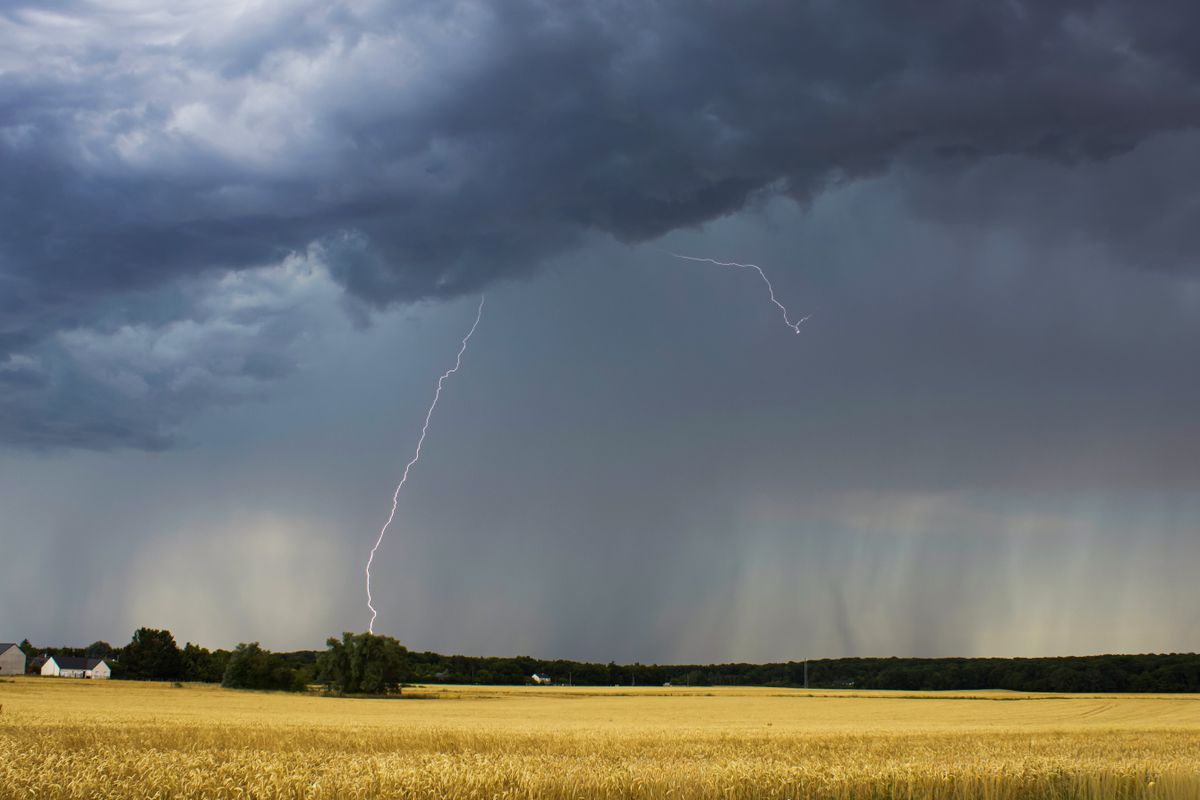
Illustrative editorial photograph · Pexels. Not a photograph of a marketplace listing.
A monthly stay in Tulsa, Oklahoma can look fine on a listing page and still be a poor fit if the first hard rain, hail, or tornado watch arrives after you move in. The decision is not whether Tulsa has storm risk; it is whether the specific place you are considering gives you a credible shelter plan, clear instructions, and enough room to wait out severe weather without guessing. The National Weather Service Tulsa forecast page notes that numerous showers and thunderstorms were forecast Wednesday through Wednesday night, with a few strong to severe storms possible primarily during the afternoon. That kind of local forecast is exactly why a pre-arrival conversation matters: you are not just comparing bedrooms, you are checking whether the stay has a usable shelter route and a person who can explain it before you arrive.
What you need to know before you ask about shelter
The core issue in Tulsa is not “is there a storm?” but “what would I do in this building if the weather turned fast?” For a monthly stay, a good answer should cover three things: where to go, how to get there, and what happens if the safest option is not inside the unit. The National Weather Service tornado safety rules say to stay close to a sturdy shelter; if caught outside, find shelter in a ditch or remain in your vehicle and cover your head for protection; and do not take shelter under an overpass. Even though those rules are general, they translate into practical questions for a Tulsa booking: Is there an interior shelter room? Is the basement finished or unfinished? Is there a nearby interior hallway? How far is it from your door? Will you be expected to leave the unit and go elsewhere during severe weather?
These are not abstract questions. In a monthlong stay, a person may arrive with luggage, work equipment, a child’s car seat, or medical supplies. If the best shelter is three floors down a long exterior corridor, that changes the value of the place. If the building expects all residents to use a shared basement room, you need to know whether you can reach it quickly from the unit you are renting. If the place is a detached house, the question becomes whether the interior space is central enough to serve as shelter and whether the path there is obstructed by exterior doors, garage access, or locked areas. You are trying to learn the procedure, not merely the address.
A worked example: a month in Tulsa with two different shelter setups
Example: a renter plans to stay in Tulsa for five weeks for a temporary work assignment. One option is a top-floor apartment with a pleasant view and no basement access. Another is a small house with a windowless interior room near the center of the home. The apartment listing looks easier at first, but the shelter question changes the comparison. If the apartment manager cannot identify a nearby interior shelter space, cannot explain where residents go during a warning, and cannot tell you whether the stairwell remains open after hours, the place may not fit a cautious storm plan. The house, by contrast, may be the better choice if the occupant can confirm a central room that can be reached quickly and used without unlocking anything complicated when a warning comes in.
This example is not about predicting a storm or choosing the safest city; it is about reducing uncertainty. The right answer depends on the exact building and on your own needs. Someone working nights may care about whether the shelter route is illuminated. Someone traveling with a pet may need to know whether the pet can enter the shelter area. Someone with mobility limits may need a shorter route or a ground-floor setup. These are the kinds of details that determine whether a monthly stay is workable in Tulsa, especially when forecasts can shift quickly from ordinary rain to severe weather in the same day.
Questions to ask the owner or manager before you arrive
Use direct questions tied to action, not vague reassurance. Ask: Where do guests or tenants go during a tornado warning? Is the shelter inside the unit, inside the building, or off-site? If it is off-site, how far is it and how do you get there? Which entrance should I use after dark? What happens if the warning comes when I am asleep or showering? Who should I contact first if weather alerts start while I am en route? Can you send a simple written shelter note before I arrive?
Ask about the building itself: Are there interior rooms without windows that can be reached quickly? Are hallways, stairwells, or basements open at all hours? Are there keys, codes, or locked doors that could slow access? If the place is a house, which room is considered the safest interior space? If it is a multi-unit building, is there a common shelter area and how do tenants reach it? If the stay includes parking, ask where to go if you are in the lot when a warning is issued. These questions matter because the weather.gov Tulsa forecast page shows that strong to severe storms can be part of an active forecast window; you do not want to be figuring out access after the alert is already active.
Also ask for plain-language local expectations, not promises. For example: Does the property have a house rule for storm warnings? Are guests expected to move to a specific floor? Is there a contact number that will still be answered at night? If the answer is “follow common sense,” press for specifics. Common sense is not a shelter plan. In Tulsa, the practical difference between a manageable stay and a stressful one is often whether the person who controls the property can name the route, the room, and the fallback option in one message.
How to inspect a place for storm readiness when you tour or review photos
When you view photos or visit in person, look for signs that the storm question has already been thought through. Note whether the unit has an interior room away from large windows. Record how many doors you would need to pass through to reach that spot. Check whether the route requires stairs, exterior walkways, or a garage that might not be open at all times. In a building, look for posted emergency instructions near the entry or in the unit packet. If those instructions do not exist, ask why.
If you are comparing several monthly stays through MonthnMore search, do not sort only by layout or neighborhood name. Sort by how clearly each place answers the shelter question. A listing that lets you contact the owner with a calm, direct set of questions may be more useful than one that looks polished but stays vague about severe weather. And if you host a place in Oklahoma, you can reduce friction for future guests by making the storm route and shelter location clear on MonthnMore’s place listing page, so arriving guests are not left to guess when timing matters most.
The point of inspection is not to turn yourself into a weather expert. It is to notice whether the property has a usable plan before you commit to an exact arrival date. A monthlong stay should not begin with a scavenger hunt for the safest corner of the building.
Decision framework: stay, ask again, or keep looking
Use a simple three-part decision framework. First, can the owner or manager name the shelter location clearly? If yes, that is a start. Second, can you reach it quickly from the room you would actually use? If the route is confusing, long, or blocked after hours, that is a serious concern. Third, does the shelter fit your real-world situation: sleep schedule, mobility, travel companions, pet, and luggage? If any answer is unclear, keep asking. If the answers remain vague, keep looking.
A good Tulsa storm plan should also account for the moment you are away from the property. The Oklahoma Department of Human Services reminder on storm season emphasizes basic preparedness habits such as staying in the car with a seatbelt on and head down below the windows if stuck in a vehicle, and avoiding water and phones indoors during severe weather according to the excerpted guidance. That does not replace property planning; it shows why you should ask how a guest is expected to behave if weather develops while driving to the stay or while settling in after dark. The property should not force improvisation.
If the place cannot answer these questions, the risk is not only physical. It is also practical: last-minute shelter confusion can interrupt work, sleep, and arrival logistics. For a monthly stay, stability matters as much as the room itself. A clear answer now can save a tense first week later.
Checklist to use before arrival
- Ask where the designated storm shelter is and whether it is inside the unit, inside the building, or off-site.
- Confirm the exact route from your door to that shelter, including stairs, codes, locked doors, and lighting.
- Ask what happens if a warning arrives at night, during a shower, or while you are parking.
- Record the nearest interior room or hallway you would use if the primary shelter is temporarily inaccessible.
- Ask whether pets, children, or mobility aids can be taken into the shelter area.
- Request a written note with storm instructions before arrival so you are not relying on memory during an alert.
- If the answer is vague, keep searching through MonthnMore search until a place can explain the shelter setup clearly.
The right Tulsa monthly stay is the one that answers the storm question before you unpack. A property that can explain where you go, how you get there, and what to do if weather shifts suddenly is doing more than advertising comfort; it is helping you make a workable, calmer decision for your time in Oklahoma.
Make your next month feel more settled.
Related reading

Questions to ask before choosing a stay
The useful questions that bring a listing to life, from included costs and furnishings to arrival, internet and the small details of daily living.

Furnished monthly rentals, explained
A clear starting point for understanding what a furnished monthly stay is, what it may include and how to decide if it fits your plans.

Furnishing essentials for monthly stays
A people-first guide to preparing a furnished home: focus on comfort, useful basics and clear expectations instead of filling every shelf.