Northern Nevada battery-reuse businesses: separate diagnostics from hazardous handling
A Northern Nevada guide for battery-reuse ventures that separates diagnostics from hazardous handling, with local sourcing, relocation, and go/no-go checks.
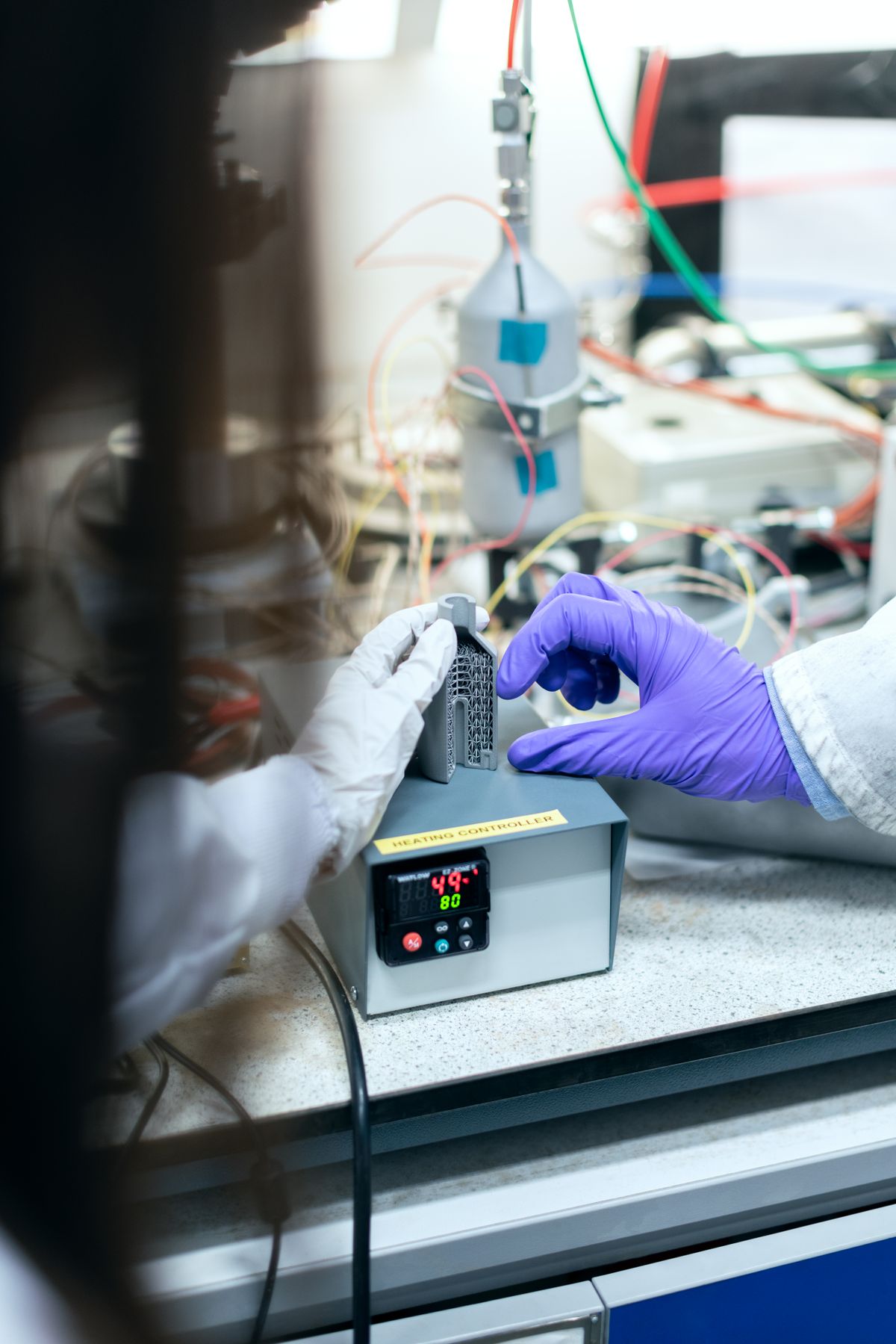
Illustrative editorial photograph · Pexels. Not a photograph of a marketplace listing.
A diagnostics or records specialist evaluating a northern Nevada battery engagement may need a sustained local period for authorized work. Monthly housing is a personal living arrangement, not part of the material-handling infrastructure the business requires.
A battery-reuse venture in Northern Nevada lives or dies on the boundary between a clean-room-like evaluation step and regulated handling of a hazardous material. In Reno and the surrounding region, the opportunity is not simply “battery recycling”; it is a set of distinct services: incoming pack triage, module-level diagnostics, data capture, safe quarantine, and then either resale, second-life integration, or transfer to a downstream recycler with a documented chain of custody. That distinction matters because Nevada’s emerging lithium economy already has mining, manufacturing, and recycling activity in the same region, but that does not mean every business can or should do every step. The state’s “Lithium Loop” explicitly describes an in-state process from mining to recycling, and the University of Nevada, Reno says Silver Peak in Esmeralda County is currently the only U.S. mine extracting lithium, about 1.5% of world supply, which makes the state a serious place to build battery-related services without assuming every part of the value chain belongs under one roof.
A Reno-area home separate from battery handling
Choose the base using confirmed work destinations and attendance dates. Ask about parking and ordinary home-working needs, but do not bring damaged batteries, hazardous materials or experimental testing into residential accommodation. Month ‘n’ More helps you find furnished monthly stays and contact owners about the actual home and your dates; it does not place workers or award business contracts.
Owners can describe a comfortable place to live without portraying a garage or spare room as approved battery storage, a diagnostics facility or a commercial recycling site. If the home is suitable, list a furnished monthly property on Month ‘n’ More and describe only what you can genuinely offer. This is a possible use case to evaluate, not measured or guaranteed rental demand.
Reno as a diagnostics base, not a handling shortcut
For a small operator, Reno is attractive first because it sits inside the state’s battery and critical-materials corridor, not because it magically relaxes rules. The practical advantage is access to customers and partners who already think in terms of packs, cells, modules, transport, and downstream reuse. The University of Nevada, Reno describes Nevada as the only state with a complete Lithium Loop, with extraction, processing, manufacturing, and recycling all happening in the same region. That local density creates a plausible market for battery diagnostics: fleets, installers, independent repair shops, equipment dealers, and recyclers may all need an intermediate inspection step before deciding whether a pack is safe to resell, remanufacture, send for reuse, or ship out as waste. The business case is strongest when you are selling judgment and documentation, not merely storage space.
battery diagnostics: the service that can be sold before full-scale recycling
A diagnostics-focused company can start smaller than a recycler. In practice, that means accepting batteries only for defined inspection workflows, recording identity and condition, and delivering a written outcome such as “reuse candidate,” “needs cell balancing review by qualified technician,” or “transfer to downstream handler.” The commercial trade-off is clear: diagnostics usually require less capital than shredding, thermal treatment, or material recovery, but they demand disciplined process design and a defensible technical standard. A buyer may pay for speed, clarity, and reduced uncertainty rather than for commodity recovery. That is especially useful in Reno, where the region’s battery ecosystem is still maturing and many customers may not need full recycling; they may simply need to know whether a returned pack has second-life value or must exit the building under controlled conditions. One operational caution: diagnostics do not authorize you to repair, re-cell, or disassemble everything you test. You still need the right licenses, training, insurance, and safety protocols for whatever work you actually perform.
hazardous material: the line you should not blur
The phrase hazardous material should be treated as a business boundary, not a marketing flourish. Lithium-ion packs can be damaged, unstable, or contaminated, and a small reuse business can become a liability center if it mixes evaluation with open-ended handling. The key trade-off is between higher-margin services and higher compliance exposure. If your workflow includes receipt, temporary quarantine, packaging, transport coordination, or any physical movement beyond simple visual inspection, you need a professional review of fire code, hazardous-waste status, occupational safety rules, and transport obligations. Do not assume that because Nevada promotes clean energy, battery waste is easy to manage. Even the university’s Lithium Loop materials emphasize policy hurdles, permitting, public trust, and infrastructure as real obstacles. Your facility plan should be built around containment, ventilation, labeling, incident response, and segregated storage zones, with qualified advice on all of it. If you plan to offer any service that could make you a handler rather than a diagnostician, get legal and sector-specific guidance before accepting the first pack.
chain of custody and why customers will pay for it
In this niche, chain of custody is a product. Customers need to know where a battery came from, who received it, what was done to it, and who took possession next. That is true for fleet operators, warranty return programs, insurers, refurbishers, and downstream recyclers. A good chain-of-custody record can reduce disputes about damage, missing parts, condition at intake, or whether a pack left your site in the same state in which it arrived. It also helps you decide which customer segments are worth pursuing. A fleet customer may want batch intake and consistent reporting; a repair shop may want fast acceptance decisions; a recycler may want standardized packaging and clear rejection criteria. The business choice is whether you want to be a high-trust documentation layer or a physical processing layer. The former is usually easier to launch in Reno; the latter can be profitable but pushes you much deeper into capital expense and regulatory risk.
Worked example: a first customer validation scenario
Example: a Reno-based company opens a small battery triage service aimed at local e-bike dealers and light electric-vehicle service shops. The first project is not full recycling. It is a controlled intake-and-diagnosis pilot for returned packs with a defined output: each unit receives identity logging, external-condition review, basic electrical diagnostics performed by qualified staff, and a disposition recommendation. Success metric: within the pilot window, at least 80% of accepted units receive a clear disposition without needing immediate transfer to a downstream hazardous handler, and at least three repeat customers use the report format again. Stop/no-go condition: if incoming units regularly arrive with unknown history, swelling, odor, heat, or physical damage that exceeds the team’s safe handling envelope, the company stops accepting that class of battery and pivots to referral-only documentation instead of trying to become a recycler by accident. That is the right kind of small first step because it tests customer demand for diagnostics without betting the company on storage, transport, or material recovery.
Local supply chain signals: what the institutions actually show
The most useful local fact is not that Nevada is “good for batteries,” but that the state already has an interconnected set of institutions and companies. In the University of Nevada, Reno’s Nevada’s Lithium Loop page, the state’s in-state path includes mining, processing, battery manufacturing, and end-of-life recycling, with companies such as American Battery Technology Company, Dragonfly Energy, Lyten, Redwood Materials, and Aquametals named as part of the ecosystem. The same page says the Silver Peak mine is currently the only U.S. lithium mine and notes that Lithium Americas and Ioneer are expected to begin extraction at Thacker Pass and Rhyolite Ridge in coming years. Separately, the university’s October 2025 article says the Great Basin Critical Minerals Resource Center is being aimed at a 2030 launch as a pilot-scale plant and job-training hub. Those facts matter because they suggest demand for adjacent services like intake, inspection, testing, documentation, and logistics coordination. They do not guarantee contracts, funding, or admission to any program, and they do not replace current verification.
For current context, the University of Nevada, Reno’s Lithium Loop overview is here: Nevada’s Lithium Loop at the University of Nevada, Reno. The broader ecosystem framing and the 2030 resource-center plan are discussed in A meeting of the mines: The Lithium Loop, Nevada’s Silicon Valley of energy. Use those pages as institutional context, then verify whatever permits, zoning, and program eligibility you actually need.
Operational due diligence for a Northern Nevada launch
- Confirm whether your intended work is diagnostics only, or whether any receipt, storage, packaging, transfer, disassembly, or conditioning step makes you a hazardous-materials handler under Nevada and federal rules.
- Write an intake standard that rejects swollen, leaking, burnt, or undocumented batteries before they cross into your controlled area.
- Design chain-of-custody records before launch: unique ID, source, condition at intake, actions taken, and who received the unit next.
- Get a qualified review of insurance, fire protection, ventilation, and emergency response procedures before you rent the space.
- Separate customer promises by service line: diagnostics, quarantine, referral, resale screening, or downstream transfer should each have its own scope and price logic.
- Verify whether your chosen site in Reno can support the hours, vehicle access, and loading pattern your work actually needs, rather than choosing a convenient office address that is awkward for pack intake or pickup windows.
Relocation, housing, and where to live before you commit
For a founder or technician coming into Reno for this work, housing should be chosen around the facility schedule and the physical movement of batteries, not around tourist convenience. If your operation expects early receiving windows, same-day transfers, or coordination with shops and fleet clients, temporary monthly housing near your work zone can reduce commute friction while you test the route. Before signing a longer lease, search furnished monthly stays that fit the exact dates you need through find a monthly stay near Reno on Month ’n’ More. If you become an owner-operator with a garage-compatible workspace or a small industrial unit, you may eventually decide to list your own place for monthly use through Month ’n’ More’s place listing page, but that should be matched to zoning, insurance, and your actual use case. The point is practical: live close enough to support receiving hours, training sessions, and any safe handoff schedule, but do not rent more space than your battery workflow can justify.
A reasonable decision for this niche in Northern Nevada is to start with diagnostics, documentation, and controlled transfer coordination in or near Reno, then postpone hazardous handling until you have a written compliance framework, trained staff, and confirmed downstream partners. If you can win repeat customers for intake and condition reporting, the business has a real foothold; if you cannot, that is a useful no-go signal before you invest in a larger facility.
For the local context and services discussed here, consult Nevada's Lithium Loop | University Center for Economic ... and A meeting of the mines: The Lithium Loop, Nevada’s Silicon Valley of energy | University of Nevada, Reno. Check current availability and eligibility with the responsible organization before making a business or relocation commitment.
Make your next month feel more settled.
Related reading

Las Vegas Convention Work: Rest Away From the Strip
How to choose a quiet Las Vegas monthly stay for convention work, with planning examples, inspection questions, and local facts that affect rest.

A relocation checklist for your temporary home
A steady, step-by-step plan for finding a place, organizing arrival and making the first few days in a new city less hectic.