Maine aquaculture support businesses: serving farms without assuming every coast is suitable
A practical guide to building Maine aquaculture support services around real farm workflows, waterfront constraints, leases and careful relocation testing.
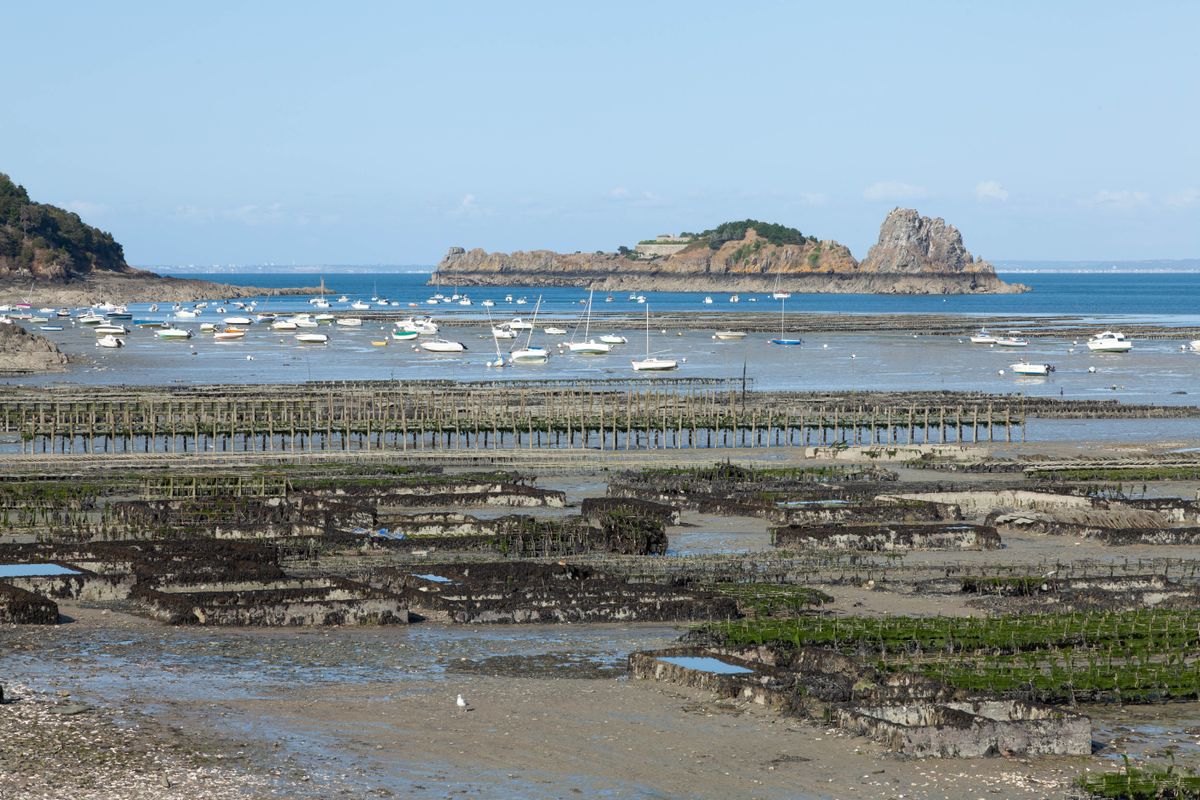
Illustrative editorial photograph · Pexels. Not a photograph of a marketplace listing.
An aquaculture-support founder may need a sustained Maine presence to observe authorized farm operations, meet potential buyers and test a bounded service. Monthly housing supports that discovery period without implying access to leased waters or a guaranteed coastal business opening.
Maine’s aquaculture opportunity is often mistaken for an invitation to put a boat on any attractive shore and start selling services. The more durable opening is usually narrower: remove a costly, recurring operational bottleneck for farms that already have a lawful site, a defined crop and a route to market. A support business might coordinate refrigerated handoffs, maintain farm gear, provide wash-down logistics, manage traceable inventory records, or offer seasonal crew and delivery coordination. Each can be useful, but none is proven merely because the coast has shellfish and seaweed farms. The commercial question is where farm workflow, harbor access, public rules and customer willingness to pay actually intersect.
A Maine monthly base while an aquaculture service is assessed
Choose the working waterfront or customer geography before the home. Confirm ordinary living and transport needs, but arrange samples, wet equipment, cold storage and commercial handling at approved locations rather than assuming the accommodation can serve those functions. Month ‘n’ More helps you find furnished monthly stays and contact owners about the actual home and your dates; it does not place workers or award business contracts.
Owners can describe daily-living arrangements honestly, without marketing a residence as a processing site, an aquaculture lease benefit or a guaranteed source of marine-industry tenants. If the home is suitable, list a furnished monthly property on Month ‘n’ More and describe only what you can genuinely offer. This is a possible use case to evaluate, not measured or guaranteed rental demand.
Start with aquaculture customers, not a scenic coastline
Maine aquaculture includes different production systems and selling rhythms. A shellfish grower may need dependable harvest-day transport, grading support or chilled staging. A seaweed producer may have a concentrated seasonal handling problem. A land-based operator may have different needs around supplies, water systems, packaging or outbound freight. Treating them as one customer type produces an expensive, vague service offering.
The Maine Department of Marine Resources (DMR) says its Aquaculture Division implements the leasing and licensing of coastal waters under law and rule and is also one authority involved with licensing land-based facilities culturing marine organisms. That distinction matters: a support company should not assume that its customer’s water authorization answers the company’s own requirements for a shore facility, vehicle activity, food handling or waste management. Review DMR’s current program information through its Aquaculture Division page before representing a service as compatible with a farm’s operations.
There is credible institutional evidence that support activity is relevant to the sector, not evidence that every proposed service has buyers. Maine Sea Grant describes fisheries and aquaculture alongside associated processing, retail, technology and tourism businesses, with work focused in part on sustainable diversification along the working waterfront. Its fisheries and aquaculture focus area is a useful starting point for understanding that wider system. It does not establish demand for a particular app, warehouse or consulting package. Demand is proven when an identified buyer agrees to a defined paid trial or recurring contract.
A lease is a customer constraint, not a business location strategy
A water lease is a regulated authorization held or pursued by a grower; it is not a general-purpose commercial address, guaranteed dock access, a storage right or permission for another company to operate from adjacent land. DMR’s site includes separate material on leases, limited-purpose aquaculture areas, applications, rules, land-based aquaculture and public participation. That structure itself signals why a support business must map its own activity rather than borrow a farm’s regulatory status.
For a service operator, examine the customer’s actual harvest point, tender or vessel routine, landing location, loading sequence and handoff deadline. A farm may be productive yet be a poor account for a mobile service if its work can only happen during narrow tide windows, the launch is distant from your base, or the farm already performs the task efficiently. Conversely, several small accounts using compatible equipment and nearby landing points may justify a route-based service even if none alone supports a dedicated employee.
Do not promise applicants that a new lease will be approved, that a pending application creates business volume, or that public hearings signal an imminent farm launch. The DMR page listed 2026 aquaculture hearings in places including Deer Isle and Brunswick in the supplied material, illustrating that public process is location-specific. Confirm status directly with the applicant and the agency, and build revenue projections only from work a customer can legally and practically order.
Design around biosecurity and custody of product
biosecurity is not a marketing adjective for a clean-looking truck. It is a set of operational controls intended to reduce the chance of carrying organisms, pathogens, fouling material or contaminants between sites. The appropriate protocol depends on species, equipment, movement routes, customer instructions and applicable regulatory requirements. A support operator should obtain competent sector-specific guidance before offering sanitation, seed handling, live-animal transport or water-contact equipment services. Do not improvise chemical use, disinfection concentrations or disposal procedures.
The practical business choice is whether to stay on the low-custody side of the chain. A scheduler that dispatches a customer’s crew has lower physical exposure than a company that receives harvested product, stores it, aggregates it and delivers it onward. The latter may create food-safety, temperature-control, traceability, insurance and licensing questions. It may also provide more value if growers genuinely need reliable handoffs. Price the higher-risk model to cover compliance work, documentation, cleaning downtime, equipment segregation and rejected-product contingencies—not just driving or labor.
Use written boundaries: which party supplies containers; when custody changes; who verifies labels and counts; what happens if product condition is disputed; whether equipment is dedicated to one site or scheduled with documented separation; and who can authorize substitutions when weather changes the plan. A lawyer familiar with food, maritime and commercial contracting should review the final agreement. Insurance and tax professionals should advise on coverage and entity-specific obligations; forming an entity alone does not confer operating permissions or solve those obligations.
cold storage is a service model, not simply a refrigerated room
cold storage can mean a brief chilled staging point, a scheduled cross-dock, leased capacity in an existing inspected operation, or a company-owned facility. These models differ sharply in capital exposure and operational responsibility. Owning a facility can reduce dependence on another operator and make late-day consolidation possible, but it introduces utilization risk: a room sized for peak harvest may sit underused outside that period while still requiring monitoring, power, maintenance and compliant procedures.
Begin by defining the buyer’s problem in measurable terms. Is the problem missed carrier pickup, insufficient harvest-day space, inconsistent chain-of-custody records, or a processor’s requirement for standardized deliveries? Then choose a pricing basis that matches the value: a scheduled pickup fee, a per-handling-event charge, a monthly reserved-capacity retainer, or a documented cross-dock fee. Avoid presenting storage as available capacity if you cannot accept the species, packaging or custody responsibilities involved.
Existing-sector research can inform questions but should not be treated as a current sales forecast. SEA Maine hosts the Maine Aquaculture Roadmap, 2022–2032, released on behalf of the Maine Aquaculture Hub, Maine Sea Grant and the Maine Aquaculture Association; it proposes goals and identifies estimated resources for the decade. Its resource collection also links market analyses and DMR landings data. These are useful for locating constraints and historical context, while customer interviews and paid validation establish whether a specific cross-dock is viable now.
The working waterfront determines the operating day
A working waterfront is functional commercial access to the shore: places to load, launch, land, stage gear, park, repair and transfer product. It is not synonymous with a picturesque harbor or any publicly visible pier. A business dependent on waterfront activity should secure written clarity on access hours, commercial loading, parking, wash-down, storage, shore-power needs and storm procedures before selling a route. Access that works for a private recreational visit may be unsuitable for repeated commercial movements.
This is where support businesses can create real value without pretending to be farmers. A carefully managed gear-return route, an appointment-based delivery window, or a shared administrative service for traceable harvest records may reduce interruptions to farm labor. But do not assume a harbor has spare staging space, that a municipality permits the activity, or that a marina will accept commercial traffic. Discuss shore-side use with the owner, harbor authority and relevant local officials, and obtain sector-specific legal advice where permissions are unclear.
Example: validate a harvest-day logistics service before buying assets
Example, hypothetical: A founder based near a cluster of legally operating farms proposes a harvest-day coordination service. Rather than purchase refrigerated equipment, the founder first contracts with an already authorized provider for any necessary temperature-controlled handoff and sells a limited pilot to two growers with compatible pickup windows. The service is deliberately narrow: confirmed dispatch times, documented transfer records, and delivery to each grower’s designated buyer. The growers retain responsibility for farming, harvest decisions, product compliance and buyer approval.
The success metric is that both pilot customers complete the agreed sequence on the planned days and each elects in writing to purchase a recurring service after the trial at a price that covers the founder’s documented third-party capacity, labor, insurance, administration and contingency costs. The stop/no-go condition is equally important: stop before acquiring vehicles or a facility if either customer cannot use the service consistently because of access, timing or buyer acceptance, or if recurring prices do not cover those costs without relying on speculative additional farms. That result is useful evidence, not failure; it identifies a mismatch between the proposed route and local workflow.
Operational due diligence before committing to a site
- Map prospective accounts by species, season, landing point, harvest timing, buyer destination and the exact task they will pay an outside operator to perform; separate signed commitments from informal interest.
- For every shore-side location, obtain written answers on commercial access hours, loading, parking, storage, utility use, wash-down, security, storm closure and who controls the site. Confirm local land-use requirements independently.
- Create a custody map from farm through each handoff. Identify product records, labels, container ownership, temperature responsibilities, rejected loads, cleaning documentation and incident escalation.
- Ask the relevant agencies and qualified advisers which licenses, permits, food-safety rules, transport requirements, environmental obligations and insurance coverages apply to the precise service. Do not infer approval from a client’s aquaculture authorization.
- Model peak-season and off-season operations separately. Include paid standby time, weather disruption, subcontracted capacity, equipment maintenance, electricity, cleaning, records and the cost of an unsuccessful pickup.
- Check prospective customers’ ability to buy: buyer specifications, purchasing authority, payment cycle, existing provider contracts and whether a processor or dealer must approve a new logistics arrangement.
Relocate in stages where the work can actually happen
A move for this business should follow the operating map, not a general idea of living “on the coast.” Before a permanent move, choose a furnished monthly stay close enough to observe early-morning loading, weather-related rescheduling and end-of-day handoffs at the specific service area under consideration. Search furnished monthly stays using exact calendar dates, then ask an owner about practical matters relevant to your stay: parking, quiet space for dispatch administration and whether any proposed work activity is permitted. Do not assume a residence allows commercial storage, customer visits, equipment cleaning or business internet use.
A temporary base near a prospective working waterfront can reveal whether the founder must be physically present at launch time, whether a route spans too many distant landing points, and whether winter access changes the model. Keep the trial housing separate from farm operations: use authorized commercial locations for product, gear and vehicles. If you own a suitable furnished place and want to attract a founder conducting this kind of time-limited market test, you can list your place; availability, terms and permissible use remain matters for owner and guest to confirm directly.
Make the permanent-location decision only after the first validated route identifies the necessary access window, customer geography and custody model. If paid pilots repeatedly work from a particular harbor network and the authorized shore-side arrangement is secure, live nearby enough to meet the real operating schedule. If they do not, retain flexibility rather than buying cold assets or housing around an unproven coastal assumption.
For the local context and services discussed here, consult Aquaculture | Department of Marine Resources and Resources - SEA Maine. Check current availability and eligibility with the responsible organization before making a business or relocation commitment.
Make your next month feel more settled.
Related reading

A Maine Winter Rental: Heating and Backup Plans
How to evaluate a Maine winter rental in Portland or Bangor for heat reliability, outage readiness, and backup planning before you commit.

A relocation checklist for your temporary home
A steady, step-by-step plan for finding a place, organizing arrival and making the first few days in a new city less hectic.