A Maine Winter Rental: Heating and Backup Plans
How to evaluate a Maine winter rental in Portland or Bangor for heat reliability, outage readiness, and backup planning before you commit.
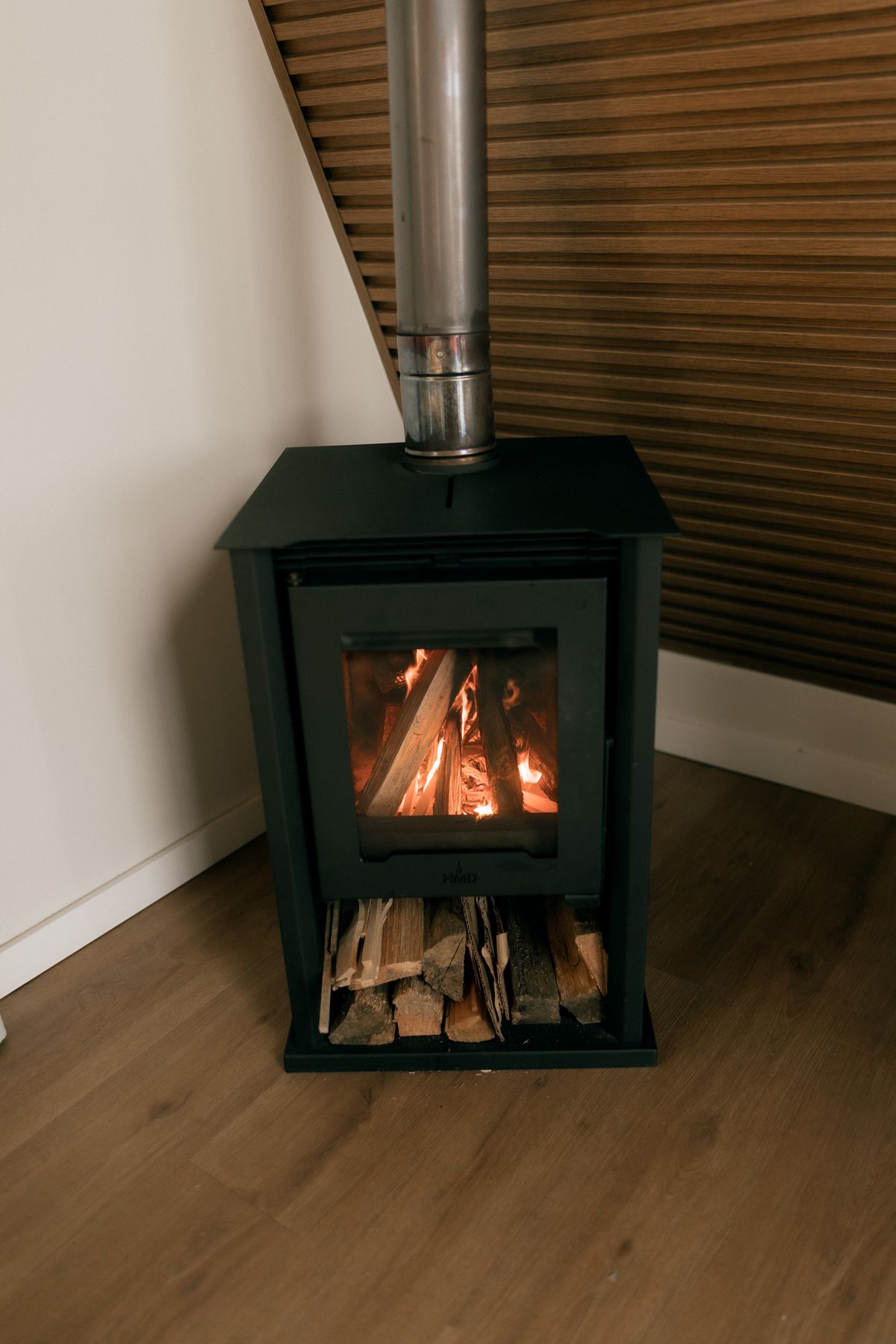
Illustrative editorial photograph · Pexels. Not a photograph of a marketplace listing.
A winter stay in Maine, whether you are narrowing options in Portland or Bangor, can come down to one practical question: if the temperature drops and the power flickers, will the place keep you warm enough without scrambling? That is the real decision behind a monthly rental search in Maine. Before you message owners through Month ’n’ More’s search, you need to understand the home’s primary heating system, what the backup plan is during an outage, and how the property behaves when normal routines are disrupted. The state’s current winter materials are useful because they point to the exact topics that matter here: the [Maine Department of Energy Resources’ winter heating guide](http://www.maine.gov/energy/press-releases-2024-winter-heating-guide) says the guide covers heat pumps, wood and propane heating, energy assistance programs, and links to local resources, while Efficiency Maine’s winter energy-saving tips remind readers that a heat pump should do as much work as possible before a less-efficient backup system turns on. That matters for renters because your comfort and operating costs depend on how the place is set up, not just on the name of the heating system.
Start with the heating sequence, not the decor
If you are evaluating a Maine winter rental, the first thing to establish is the heating sequence: what runs first, what takes over second, and what happens if the preferred system cannot keep up. A worked hypothetical example: suppose you are considering a furnished apartment in Portland for January through March. The listing says it has a heat pump and baseboard heat. That is not enough by itself. You need to ask which system is expected to maintain the indoor temperature during the coldest stretches, whether the backup is intended for occasional support or routine use, and whether both systems are controlled from inside the unit. Efficiency Maine’s guidance explicitly says to prioritize the thermostat on the heat pump so it provides as much heat as possible before the less-efficient backup heating system turns on. For a renter, that means the thermostat settings and control layout are not a minor detail; they determine whether you will spend the winter relying on a more expensive backup source more often than necessary. If you are comparing multiple homes on Month ’n’ More’s listing side, this is one of the clearest details an owner can describe well, because it affects both comfort and operating expectations.
What Maine’s winter guide tells you to pay attention to
One of the most useful local facts is simply that Maine’s winter guide is not narrowly about one heating technology. The state’s updated guide says it includes helpful information on heat pumps, wood and propane heating, and energy assistance programs, and it also points readers to community action agencies, MaineHousing, and Efficiency Maine for support resources. That breadth matters because it tells you the state expects winter heating decisions to be system-specific. A home with a heat pump calls for different questions than a place with a wood stove or propane furnace. For a monthly renter, your job is not to become an expert in every fuel type. Your job is to identify the installed system and ask about the normal operating pattern: how the space is warmed, whether there is a second source, and what the owner expects you to do if temperatures stay low for several days. If you are new to Maine and trying to sort through a large number of possible stays, this is where the Month ’n’ More search page becomes useful: use it to find a short list, then investigate the heating setup before you commit to any date range.
Design for outage conditions instead of assuming them away
The second issue is not heating in the abstract but heating during an outage. In Maine, that means thinking beyond the thermostat and asking what keeps the home usable if electricity fails. The source material does not promise any particular backup arrangement, so do not assume one exists. Ask directly: if the power goes out, what heat source still works, what parts of the heating system stop, and how is the space supposed to be kept safe and comfortable until service returns? This is especially important if the primary system depends on electricity, because a heat pump may not be enough by itself if the outage is long or the temperature is severe. The practical meaning of the state’s guidance is that the right backup plan depends on the specific heating equipment already in the home, which is why the heating guide discusses wood and propane as well as electric systems. In other words, your search should not just ask “Does it have heat?” but “What kind of heat survives an outage, and what is the fallback if that does not?”
Questions that reveal whether the backup plan is real
Use questions that force a concrete answer, not a reassurance. Ask: What is the primary heat source by room or zone? Is the backup system meant for short-term support, or is it the practical winter workhorse? Where are the controls, and who sets them? If the home has a wood stove or fireplace, what is the actual role of that equipment in winter use, and who is responsible for fuel and cleaning? If the home uses propane, where is the tank located and how is supply handled? If the owner mentions a generator, ask what it powers, because “generator” can mean very different things in a winter outage. If there are multiple systems, ask for a plain-language explanation of the order in which they are used. A renter should also ask what happens to plumbing or other vulnerable areas during extended cold spells, not because you are making a repair plan, but because the home’s own winter routine may require special precautions when heat is interrupted. These are the kinds of questions that separate a place that merely lists heating equipment from one that actually has an outage-aware setup.
How Efficiency Maine’s tips change your reading of a listing
Efficiency Maine’s winter tips include a specific point that is easy to overlook: if you have a heat pump, the thermostat should be set so it provides as much heat as possible before a less-efficient backup system turns on. That line changes how you read a listing. It suggests that a renter should not just count heating systems; they should understand how the system is intended to transition between them. The same source also says that if you want to heat adjacent spaces with a heat pump, doors between those spaces should be left open, and that the “Auto” fan setting is the best starting option. Those are operational details, not abstract advice, and they signal that layout affects performance. So when you are touring or messaging about a home, ask how rooms are separated, whether interior doors matter to the heating plan, and whether the main living area and sleeping area depend on the same unit. You do not need to tune equipment yourself; you need enough information to judge whether the home’s setup matches the way you plan to live in it during winter.
A decision framework for Maine winter stays
A good decision framework for a winter rental in Maine has three questions. First: can the primary heating system reasonably keep the home warm in the rooms you will use most? Second: if the primary system is interrupted or underperforming, is there a backup source that the owner can clearly explain? Third: in an outage, what still works, what does not, and who do you contact? If a property is vague on any of those points, keep looking. If it is clear on all three, you can make a better judgment about whether the stay matches your winter routine. This is also where the local resource links matter. The state’s winter heating guide points to community action agencies, MaineHousing, and Efficiency Maine, which means if your budget or energy situation is tight, you should not wait until after move-in to find those contacts. Use the official resources first, because conditions and eligibility can change. If you are a host preparing a place for winter visitors, a listing on Month ’n’ More’s place page should describe the heating hierarchy in the same order a renter would ask about it: primary system, backup system, and outage behavior.
Checklist before you commit to a month or longer
- Identify the primary heating system in the specific rooms you will occupy most, not just the house as a whole.
- Ask what the backup heat source is, when it is expected to turn on, and who controls the switch or thermostat settings.
- Ask what continues to work during a power outage and what does not, including any dependence on electricity.
- If the home uses a heat pump, ask how the owner expects it to be operated in winter and whether there is a separate backup source.
- If the home has wood or propane heat, ask who supplies fuel, where it is stored, and what the normal winter routine is.
- Ask for a plain explanation of how interior doors, room layout, and zoning affect heat distribution.
- Record the exact dates of your stay and confirm that the heating setup is suitable for those dates, since winter conditions vary across the season.
- If budget is a concern, note the state resource names from the winter guide so you can look up current assistance options directly on the official sites.
The practical goal is not to find the “best” heater in the abstract. It is to avoid a Maine winter rental that looks fine in photos but leaves you confused when the weather turns and the power blinks. If you can get a clear answer on the heating sequence, the outage plan, and the role of any backup system, you are already asking the right questions for this topic. That is the level of detail a winter stay in Maine deserves.
Make your next month feel more settled.
Related reading

Questions to ask before choosing a stay
The useful questions that bring a listing to life, from included costs and furnishings to arrival, internet and the small details of daily living.

Furnished monthly rentals, explained
A clear starting point for understanding what a furnished monthly stay is, what it may include and how to decide if it fits your plans.

Furnishing essentials for monthly stays
A people-first guide to preparing a furnished home: focus on comfort, useful basics and clear expectations instead of filling every shelf.