Boulder climate-data consulting: turning observations into a product customers can use
Boulder climate-data consulting works when uncertainty is treated as a product design issue, not a buzzword, and when data licensing shapes what clients can use.
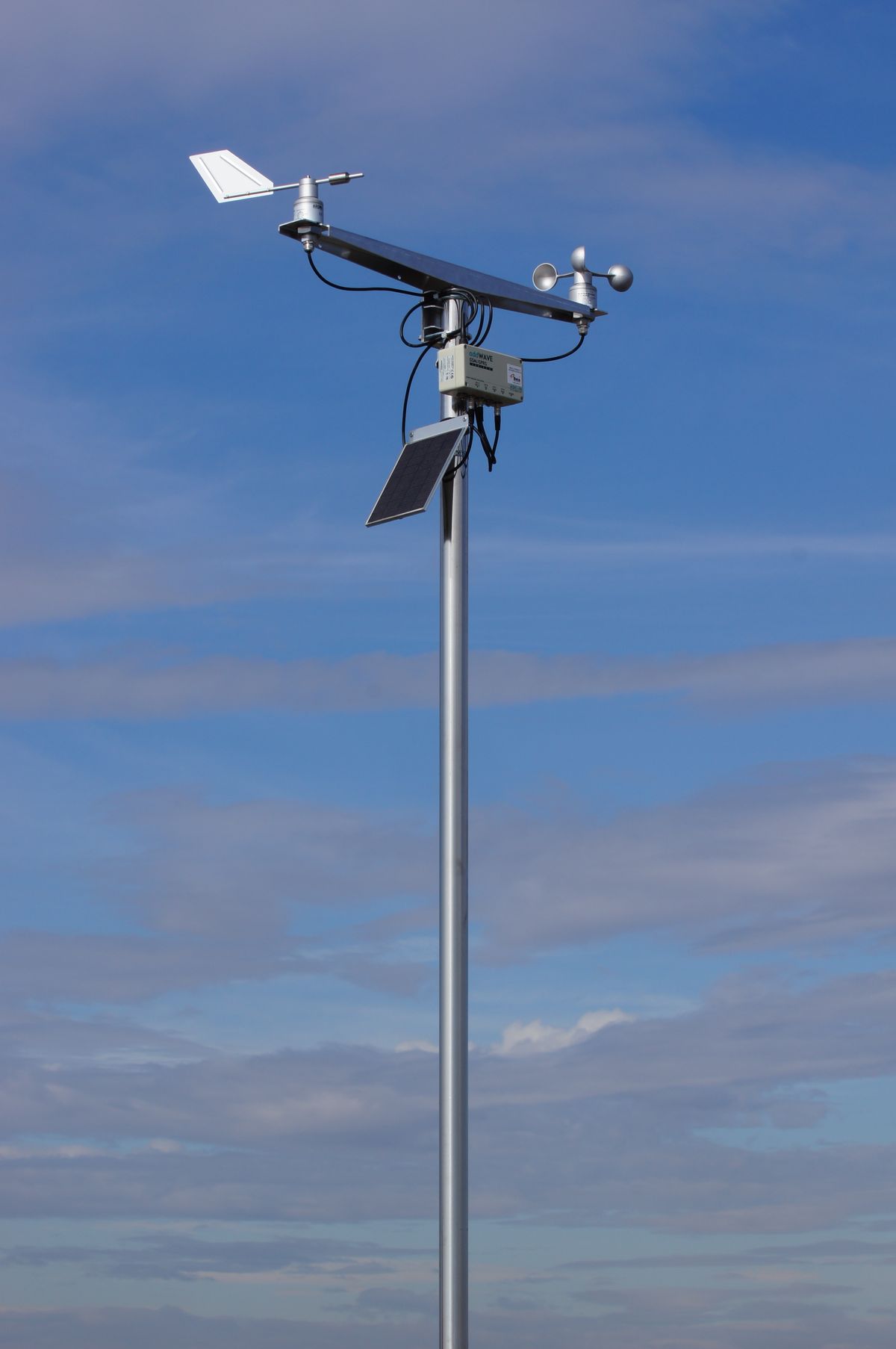
Illustrative editorial photograph · Pexels. Not a photograph of a marketplace listing.
A climate-data consultant might spend a sustained period in Boulder meeting a research partner or working through an authorized customer pilot. A temporary living base supports those activities; it does not confer laboratory access or make a research idea commercially viable.
Boulder is a good place to sell climate-data consulting only if the service answers a buyer’s operational question, not just their curiosity. The local evidence stack is unusually rich: the University of Colorado Boulder’s Boulder Climate page identifies station GHCND:USC00050848 at 39.9919N, 105.2667W and 1671.5 meters above sea level, while NOAA’s Boulder climate page points readers to regional records, the Colorado Climate Center, Boulder County Radar, and the Denver–Boulder National Weather Service Forecast Office. Those details matter because they show a consultant can ground work in repeatable observations, compare multiple source types, and explain why the same storm or heat event can look different depending on station, grid, or forecast product. For a founder, that is the beginning of a product customers can use, not a generic weather summary. See the underlying references in the University of Colorado Boulder Boulder Climate page and the NOAA Boulder Climate and Weather resource.
A Boulder home while climate-data work moves from idea to pilot
Choose a monthly stay around the locations you actually need to visit. Confirm internet, a suitable household work surface and transport options through current information. Keep protected customer data and any specialist field equipment within their approved handling arrangements. Month ‘n’ More helps you find furnished monthly stays and contact owners about the actual home and your dates; it does not place workers or award business contracts.
Owners can describe a comfortable ordinary living and home-working setup, without implying a university or NOAA partnership, access to research facilities or verified professional demand. If the home is suitable, list a furnished monthly property on Month ‘n’ More and describe only what you can genuinely offer. This is a possible use case to evaluate, not measured or guaranteed rental demand.
Boulder climate data consulting: what buyers actually hire for
The strongest local niche is not “climate consulting” in the abstract. It is helping buyers turn climate data into customer decisions. In Boulder and along the Front Range, likely buyers include insurers reviewing hail or freeze exposure, builders choosing design assumptions, outdoor operators adjusting seasonal staffing, utilities planning demand or outage readiness, water-adjacent firms tracking snowpack implications, and SaaS teams embedding climate indicators into internal dashboards. Each buyer wants a different output: a threshold, a confidence band, a map, a workflow rule, or a compliance note. The consultant’s job is to translate climate data into a decision artifact the buyer can defend internally. That is why the station and normals details in the CU and NOAA sources matter. Daily climate normals computed for 1981 to 2010 are useful for baselining, but they are not enough for forward-looking planning. A buyer may need the station record from 1947 onward, snowfall history from 1889 onward, or a separate record from the Boulder County Radar or NWS office to interpret a site-specific question. The market opportunity is in connecting the right source to the right business choice.
Uncertainty is the deliverable, not a nuisance
For this kind of work, uncertainty is part of the product. Boulder’s weather and climate data are strong, but no single feed answers everything. Station data, radar, satellite, local forecasts, and watershed or snowpack tools each serve different purposes. A client deciding whether to change a maintenance schedule does not need a lecture on climatology; they need to know what can be trusted at the level of a neighborhood, a route, or a facility. That is where uncertainty should be written into the deliverable. In practice, a consultant can separate three questions: what happened, what is typical, and what should the client do next. The first comes from observed records. The second often comes from the 1981-2010 normals or the longer NOAA series. The third is a business rule, not a scientific fact. If a customer decision depends on a trigger like freezing risk, snowfall probability, or temperature bands, the consultant should state the confidence limits and the failure mode. In other words, the value is not pretending away uncertainty; it is reducing the cost of acting on it.
Data licensing: the hidden commercial constraint
Data licensing can determine whether the consulting service becomes a reusable product or a one-off memo. Some climate sources are openly accessible for analysis, but redistribution, resale, or bundling inside a customer-facing application may carry terms that need review. The NOAA and CU pages make clear where the raw data come from, but they do not automatically grant a right to republish everything in a commercial dashboard. That means the business model must account for data licensing from day one. The practical trade-off is simple: if you only advise from public data, you may move faster but offer less software-like value; if you build an integrated client tool, you may create more stickiness but also more legal and operational complexity. For that reason, founders should get qualified legal advice on data rights, contract language, indemnities, and any redisclosure limits before promising a product. Do not assume that availability of Boulder climate data equals permission to package every upstream feed into a commercial subscription.
A hypothetical first project: proving a customer decision
Example: a Boulder-area facilities manager asks for a 90-day heat-and-freeze risk briefing for a small portfolio of sites along the Front Range. The consultant proposes a lightweight pilot that combines station data, local forecast context, and historical normals to create a weekly action memo and a simple trigger table for irrigation, deliveries, or maintenance timing. The success metric is not “the report looks good.” It is whether the client changes at least one operational decision in a documented way because the memo made the risk clearer. A sensible stop/no-go condition would be this: if, after four to six weeks, the client cannot point to a decision the memo changed, or if the client keeps asking for broader forecasts without defining a workflow, the pilot stops before custom software is built. That protects capital exposure and prevents the business from drifting into unpaid research. The same logic applies to pricing: the consultant should price for decision support and integration effort, not for weather data access alone. If the buyer only wants raw data pulled into a spreadsheet, that may be a smaller scope than a recurring advisory retainer or an embedded dashboard.
Commercial trade-offs in Boulder: advisory, dashboard, or data product
A Boulder-based climate-data consultancy usually faces three commercial paths. Advisory work is fastest to launch and easiest to tailor, but revenue can be lumpy and dependent on founder time. A dashboard or internal tool creates more repeatability, yet it requires more investment in ingestion, QA, and customer support. A packaged data product can scale best, but only if the use case is narrow enough to fit a defined buyer decision. The choice depends on buyer and scope. A local contractor may need a seasonal planning memo. A regional utility may need a monitored threshold feed with alerts. An analytics team may need a clean historical table with documented provenance. The consultant should therefore think in terms of operating cost and customer integration effort rather than vague “market size.” If the buyer already has analysts, the best offer may be an auditable dataset plus a decision framework. If the buyer has no analysts, the best offer may be a recurring service with narrow recommendations and no custom software at first.
Operational due diligence for Boulder climate-data consulting
Before signing the first commercial engagement, a founder should check a few operational items that are specific to this work:
- Verify which sources are being used for observation, normals, radar, and forecasts, and keep provenance notes so the client can audit where each number came from.
- Review data licensing terms for every upstream source before promising redistribution, resale, API access, or a client-facing portal.
- Decide whether the deliverable is a memo, a spreadsheet, a dashboard, or a workflow rule, because each format changes support burden and liability exposure.
- Confirm whether the client’s decision cycle is daily, weekly, or seasonal; climate data is only useful when it lands before the buyer acts.
- Document what the product does not do, especially where uncertainty is high or where a local station should not be treated as a universal proxy for a wider area.
Where to live while testing the market
Relocation for this kind of consulting is about access to work rhythms, not simply a scenic address. A first client may sit in Boulder, but others may be in Denver, on the Front Range, or remote. That means housing should be chosen around the hours when you will visit offices, review datasets, or meet clients rather than around a generic commute dream. If the work requires early starts for weather review, same-day client calls, or periodic visits to campus-adjacent or north-Boulder sites, a temporary monthly stay in Boulder can make sense before a full move. If you are still testing demand, use Month ’n’ More search for furnished monthly stays and filter by the exact calendar month dates you need, because monthly stays should be planned by exact dates, not a rough 30-day assumption. If your service includes occasional meetings with clients in central Boulder, proximity to the work site may reduce friction more than square footage does. If you expect most delivery work to be remote, you may prefer a quieter stay with room for screens, notes, and calls. Owners who already have suitable furnished places can also list a monthly stay here, which can help a consultant test an address before committing to a longer lease. That said, do not assume a furnished home is automatically appropriate for business use, and do not promise clients office-like conditions unless you have verified them yourself.
The decision to make now
Boulder climate-data consulting becomes viable when the founder picks one buyer, one decision, and one data pathway. The local evidence is strong, the research ecosystem is credible, and the customer problem is real enough to support a careful niche. But the business should start only if the first offer can be tied to a measurable customer decision, the data licensing path is understood, and the housing plan matches the actual work pattern. The right next step is not to build broadly; it is to launch a narrow pilot, validate one use case, and stay in Boulder only as long as the work rhythm proves out.
For the local context and services discussed here, consult Boulder Climate | Oceans and Climate Lab | University of Colorado Boulder and Boulder, Colorado Climate and Weather Data: NOAA Physical Sciences Laboratory. Check current availability and eligibility with the responsible organization before making a business or relocation commitment.
Make your next month feel more settled.
Related reading

A Car-Free Denver Month: Build Your Transit Routine
Plan a car-free month in Denver around RTD routes, station access, and daily routines, using monthly-stay searches to match transit needs.

A relocation checklist for your temporary home
A steady, step-by-step plan for finding a place, organizing arrival and making the first few days in a new city less hectic.