A Car-Free Denver Month: Build Your Transit Routine
Plan a car-free month in Denver around RTD routes, station access, and daily routines, using monthly-stay searches to match transit needs.
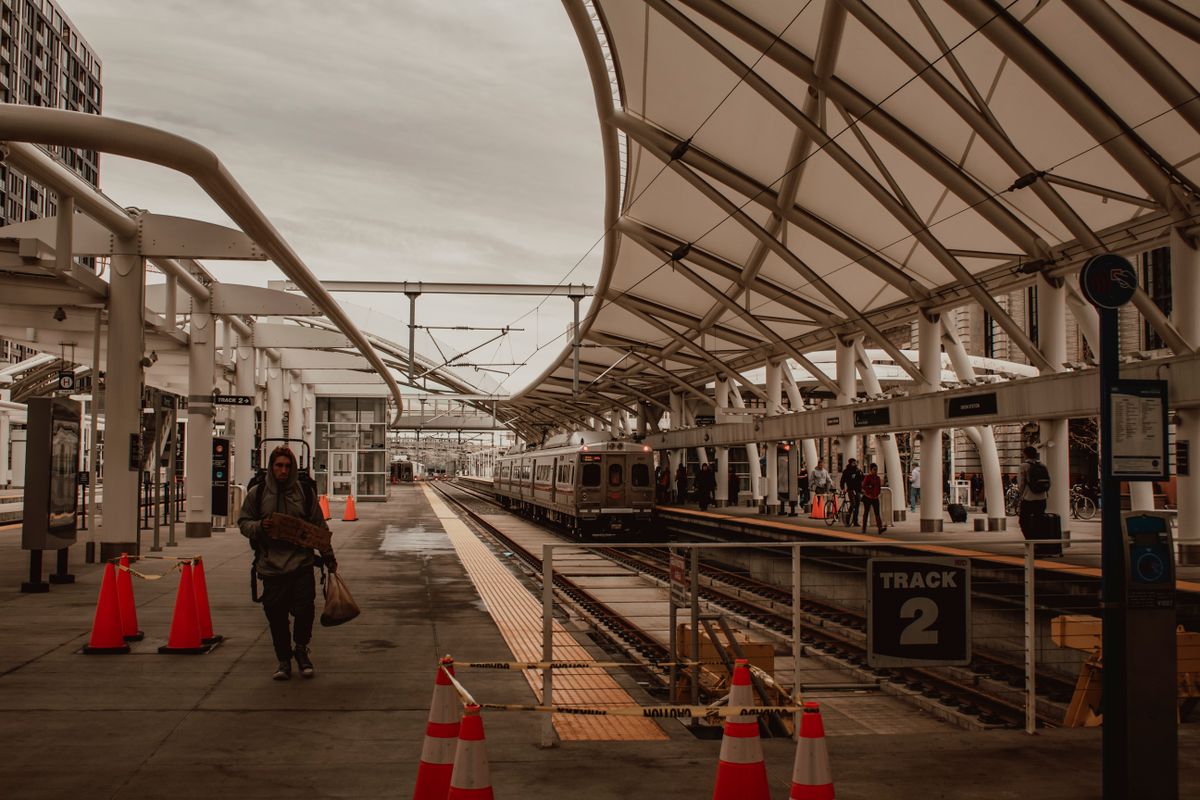
Illustrative editorial photograph · Pexels. Not a photograph of a marketplace listing.
If you are planning a car-free month in Denver, Colorado, the first question is not which neighborhood sounds nicest; it is which RTD station and route pattern will make your everyday life workable. A monthly stay only feels simple once you know how you will reach groceries, work, the airport, and the places you expect to visit most. For a place like Denver, where rail and bus service can shape your whole routine, the decision is really about how close your temporary home sits to an RTD station, how often you expect to transfer, and whether you can comfortably manage that path at the times you will actually travel. If you are still comparing options, you can start a search on Month ’n’ More’s Denver listings page and then narrow by location after you map your likely trips.
Start with one daily route, not with the whole city
A workable car-free month usually begins with one repeated trip: home to work, home to class, or home to the nearest errands. In Denver, that means identifying the RTD stop or station you would use most often and tracing the walk from the door to that point. RTD’s own site says you can plan a trip, find stops and stations, and view real-time locations through its system tools, which matters because your decision should rest on the exact route you expect to ride rather than on a broad impression of “good transit.” If a listing is advertised as near transit, ask yourself: which station, which line, and how many minutes from the front door? A unit that is a pleasant eight-minute walk to a station platform can be a very different monthly experience from one that requires crossing a large arterial or making an awkward transfer every morning.
What RTD facts should shape your housing search?
Three local details from RTD are especially useful when you are choosing a month in Denver. First, RTD says it provides bus and rail service across the Denver metro area, which means your search can include both rail-adjacent and bus-connected homes instead of limiting yourself to one corridor. Second, RTD’s ride guidance notes that you can use the Trip Planner, system map, schedules, and station lookup tools to build an actual route before you commit; that is important because the best monthly rental for a car-free stay is the one whose travel pattern you can verify in advance. Third, RTD’s app lists Next Ride, Schedules, Live Tracker, Plan a Trip, Alerts, Safety, Buy Tickets, and Help, which tells you that a monthly routine in Denver is often built around planning and checking conditions rather than assuming every ride is identical day to day. For a renter, those facts translate into one practical rule: prioritize a place where the path to a station is easy enough that you will still use it on a busy weekday, not just on a sunny weekend.
An example of the tradeoff: station access versus apartment appeal
Example: imagine you find two possible monthly stays in Denver. One is a brighter apartment that looks ideal online but requires a long indirect bus connection before you reach an RTD station. The other is more modest but sits within an uncomplicated walk of a station you can name and remember. If your month will involve several departures each week, the second option may be the more practical choice because the transit routine becomes repeatable. You are not just comparing addresses; you are comparing friction. The question is not whether the neighborhood is broadly “transit friendly,” but whether you can leave at the same time each morning, get to the same station without guesswork, and return after dark without feeling that every trip requires a new strategy. That is the real advantage of a station-centered search.
How to inspect a place through a transit lens
When a monthly stay in Denver is meant to be car-free, your walkthrough should focus on details that affect the journey to and from the RTD station. Ask where the actual walking path begins and ends, not only how many blocks away the station is on a map. Look for the route you would use with groceries, a backpack, or a laptop bag. Check whether the path involves long crossings, alleys, construction zones, or unclear entrances. If a listing claims transit convenience, record the exact station name and the door-to-platform sequence so you can compare it with other options later. You should also ask whether the home’s schedule fits the transit pattern you expect: if you plan early departures or late returns, does the route you intend to use still make sense at those times? RTD’s own service-alerts and trip-planning tools are useful here because they remind you that a station-centered routine depends on current service conditions, not only on geography.
A decision framework for car-free Denver stays
Use a simple framework when evaluating any monthly stay in Denver: first, list your fixed destinations; second, identify the RTD station or stop that best serves each one; third, test whether one home can handle most of those trips without a car. If your month is mostly office commutes, the best answer may be a place near one station even if it is less stylish. If your month includes airport access, evening meetings, and weekend errands, you may need a stop with more flexible bus links rather than a single rail line. This is where the RTD system map and Trip Planner become decision tools, not just rider resources: they help you see whether a station-based routine is actually sustainable over thirty-one exact calendar days, or whatever exact dates your stay covers. And if you are a host trying to attract car-light guests, a listing on Month ’n’ More’s place listing page should make it easy for them to understand the station relationship clearly.
Questions to ask before you commit
Before choosing a Denver monthly stay, ask questions that produce usable transit information. Which RTD station would you use most often? Is the walk straightforward in both directions? Are there bus connections that reduce the need for rideshares? What is the easiest route when you are carrying luggage or groceries? How would you reach the station in bad weather or after dark? If you have to transfer, where would that transfer happen and how obvious is it? These are better questions than asking generally whether the area has “good transit,” because they help you judge whether the month will feel smooth on ordinary days. A place near an RTD station can still be inconvenient if the final block is confusing or if every return trip depends on a connection you do not want to repeat.
A practical checklist for your search and first week
- Map your most frequent destinations and note the RTD station or stop you would use for each one.
- Confirm the exact walking route between the door and the station, including crossings, lighting, and any detours.
- Use RTD’s official trip tools to test your intended commute at the times you actually travel.
- Save the station name, route numbers, and transfer points in one note so you can compare listings consistently.
- Check RTD service alerts before arrival and again during the first week so you are not relying on outdated assumptions.
- If the stay will be car-free, choose a home where the station routine is simple enough that you would repeat it every day without hesitation.
What this means for a month in Denver
A car-free month in Denver works best when you treat RTD station access as the core of the rental decision, not as a secondary perk. The right monthly stay is one that fits your actual travel rhythm, your exact dates, and the routes you will ride most often. That is why the most useful search process starts with transit planning first and property style second. Use the station, route, and alert tools RTD provides, then compare listings with that routine in mind. If you are still narrowing choices, begin with monthly stays in Denver on Month ’n’ More, and if you are a property owner who wants transit-minded guests to understand your location clearly, list your place with enough detail for them to judge the station walk for themselves.
Make your next month feel more settled.
Related reading

Questions to ask before choosing a stay
The useful questions that bring a listing to life, from included costs and furnishings to arrival, internet and the small details of daily living.

Furnished monthly rentals, explained
A clear starting point for understanding what a furnished monthly stay is, what it may include and how to decide if it fits your plans.

Furnishing essentials for monthly stays
A people-first guide to preparing a furnished home: focus on comfort, useful basics and clear expectations instead of filling every shelf.