Mississippi Delta catfish support enterprises: maintenance, records and farm-specific demand
Mississippi Delta catfish support enterprise opportunities hinge on pond mechanics, records, water quality, and seasonally timed service around live-fish production.
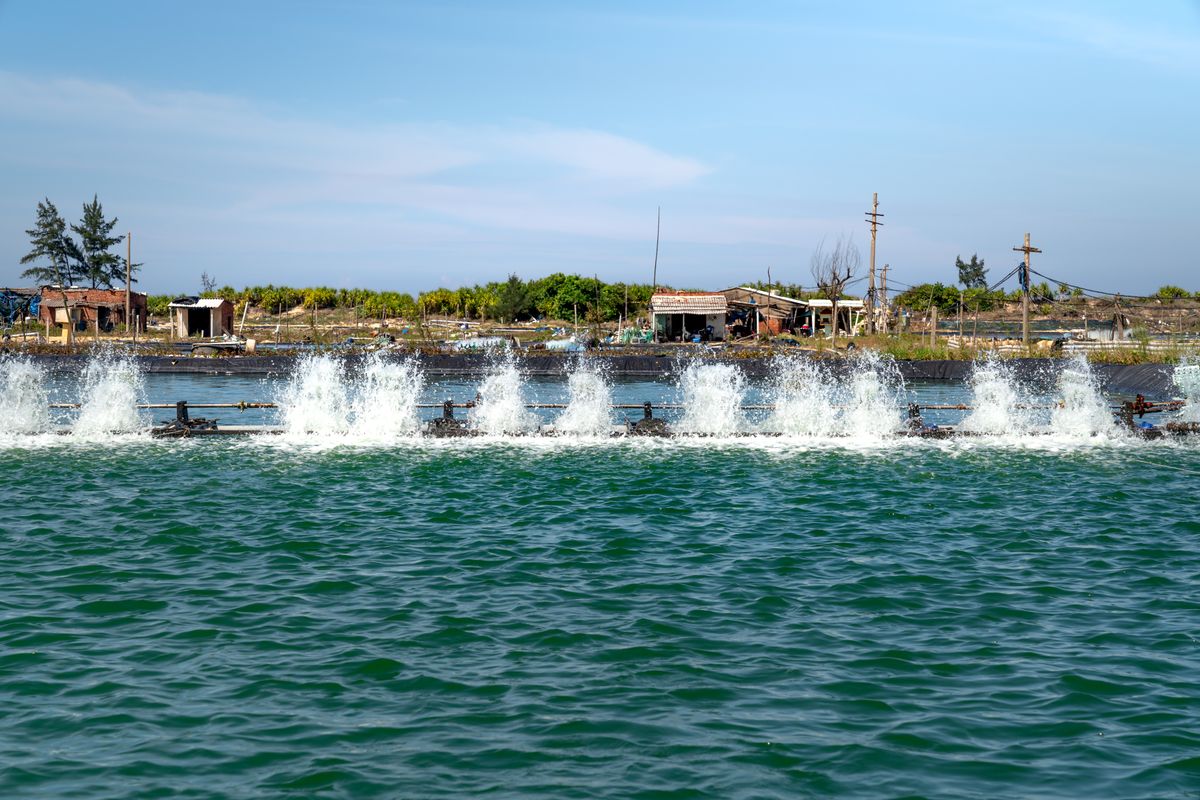
Illustrative editorial photograph · Pexels. Not a photograph of a marketplace listing.
A farm-records or maintenance specialist may need a sustained Mississippi Delta presence for a defined customer engagement. The monthly-stay connection comes from that project’s real attendance requirements, not from a blanket assumption about catfish-farm demand.
The best entry point into Mississippi’s catfish economy is often not raising fish at all, but keeping ponds working when the weather, pumps, feed schedules, and harvest windows all tighten at once. In the Delta, that can mean a business built around maintenance, water quality monitoring, recordkeeping support, and on-call troubleshooting for farms that cannot afford a missed aeration night or a lost harvest day. Mississippi State University Extension notes that the Delta’s flat land, high-clay soils, and access to the Mississippi River alluvial aquifer make embankment or levee ponds a natural fit, which is why support work there tends to be tied to pond infrastructure rather than office-style services. For a deeper read on the production context, see Mississippi State Extension’s catfish page at https://extension.msstate.edu/agriculture/catfish.
A Delta living base distinct from aquaculture operations
Locate the actual farm-service area before choosing housing. Ask about daily travel, parking and ordinary facilities, but arrange wet equipment, materials, water testing and commercial operations at the appropriate authorized sites. Month ‘n’ More helps you find furnished monthly stays and contact owners about the actual home and your dates; it does not place workers or award business contracts.
Owners can describe normal access and household features without promising farm employment, equipment storage, industrial use or an affiliation with agricultural operators. If the home is suitable, list a furnished monthly property on Month ‘n’ More and describe only what you can genuinely offer. This is a possible use case to evaluate, not measured or guaranteed rental demand.
Why catfish support enterprises fit the Delta better than a generic service business
A support enterprise aimed at catfish farms needs to match the way Delta farms actually operate. Mississippi State says the Delta region accounts for the majority of catfish land in the state, and that the ponds sit on soils with high clay content and are commonly filled from groundwater wells ranging from 50 to 250 feet deep. Those details matter because the buyer is not just “an aquaculture operator”; it is a farm managing pumps, wells, levees, sluice structures, access roads, oxygen systems, feed logs, and seasonal harvest logistics. The practical opportunity is therefore a service mix: preventive maintenance, emergency repair coordination, pump and aerator inspections, pond-level documentation, and farm records cleanup for owners who need traceability without hiring full-time administrative staff. The same Extension page also places Mississippi’s catfish acreage at 29,900 acres in July 2024, which signals a smaller but still concentrated production base where specialized service can travel farm to farm efficiently.
Maintenance work is the core product, not an afterthought
For a Delta catfish business, maintenance should be treated as a production input, not a repair department. Farms lose time when aerators are down, intake screens clog, levees erode, pipes leak, or pond banks wash out after heavy rain. Mississippi State’s production materials describe a system in which water levels are maintained with precipitation and pumped water, so any interruption in pumping or circulation directly affects fish health and harvest timing. That makes the most saleable maintenance offer a scheduled service relationship: pondside inspections, seasonal pre-storm checks, vegetation and access-path management coordination, and documentation of equipment condition before something fails. A useful reference point is the Extension-linked Catfish Production Program, which describes Extension support for sustainability, aeration and oxygen monitoring, and production-oriented technologies. A new business should not promise to replace licensed specialists where permits or electrical work are required; it should instead define clear boundaries and subcontract regulated tasks to qualified professionals.
Water quality and farm records are a paired service market
The strongest niche is not water quality or farm records alone, but both together. Mississippi State’s catfish resources include specific pages on Catfish Water Quality and production records matter because farms are balancing feed, stocking, survival, oxygen events, and harvest timing. A support business can translate those routines into usable farm records: date-stamped pond observations, maintenance logs, aeration run-time summaries, feed delivery receipts, repair tickets, and harvest notes. That record layer helps an operator spot recurring losses, justify equipment replacement, and answer buyer or lender questions more cleanly. It also helps the business owner avoid overpromising: if a client wants a compliance package, the service can organize records and flag missing items, but legal or regulatory interpretation should be left to the farm’s advisor. The commercial trade-off is simple: tighter records take more time on-site, but they create stickier customer relationships and can justify recurring monthly service rather than one-off troubleshooting.
A worked example of a first customer test in the Mississippi Delta
Example: a new service company targets one mid-sized Delta catfish farm that wants help with pre-season maintenance, weekly condition checks, and a shared folder for farm records. The first project is a 90-day pilot covering two ponds and their shared pump line. The service promise is narrow: document existing equipment, identify likely failure points, log water quality observations the farm already tracks, and create a maintenance calendar the manager can actually use. Success metric: by the end of the pilot, the farm adopts the log format, requests at least one follow-up visit, and can point to one avoided outage or one faster repair response because the records were clear. Stop/no-go condition: if the owner will not keep basic records, will not authorize access at the times needed for inspections, or expects the business to diagnose regulated problems outside its scope, the pilot ends and the provider moves on. That protects the enterprise from becoming unpaid emergency labor.
Where to live while testing the business before a full relocation
Because the work is tied to farm access hours, pond checks at dawn, and occasional late calls during weather events, where you stay during the test phase matters. If the client base is in the Delta, a temporary furnished stay in or near the service corridor is more useful than living several counties away and spending the day on the road. A short-term base close enough for early-morning inspections also helps with farm records and repeat visits because a manager is more likely to hand over logs when you can return the next day with answers. If you are comparing neighborhoods or cities before committing, browse monthly stays searchable by area and, if you own a place that could suit a traveling farm consultant or seasonal technician, consider listing your furnished property for monthly use. Calendar-month timing should match the farm season you are testing, not a vague “30-day” guess. A temporary stay is especially sensible here because the customer geography is concentrated, but the timing is seasonal and should be proven before a permanent move.
Trade-offs in scope, pricing model, and operating cost
A Delta support enterprise can be built around three workable scopes. First is on-call troubleshooting, which is easy to sell but volatile and can trap the owner in irregular hours. Second is scheduled preventive maintenance and records support, which is better for predictable revenue but requires disciplined route planning. Third is a farm operations assistant model, where you become the organized outside pair of hands for maintenance logs, vendor coordination, and pond condition tracking; that is the most relationship-driven and usually the hardest to standardize. The trade-off is that broader scope can increase value but also raise operating cost through more equipment, more travel, and more liability exposure. A buyer-centered pricing model is usually stronger than task-by-task billing, because farms want continuity across the production cycle. Still, the service should separate what it can observe and organize from what a licensed mechanic, electrician, or environmental consultant must sign off on.
Operational due diligence before you commit capital
- Confirm whether your target farms are in the Delta or farther east, because pond type, access, and water source differ in Mississippi State’s description of Delta and Blackland Prairie production areas.
- Map the service route around dawn and storm-response needs; the business is limited by access hours, not office hours.
- Define the exact deliverables for maintenance, water quality documentation, and farm records so the farm knows what it is buying.
- Check whether equipment you plan to carry can be transported, stored, and insured without exposing you to avoidable risk.
- Ask each prospective client who handles regulated repairs, sampling, or specialized diagnoses so your scope stays clear.
- Review current Extension and USDA aquaculture data before making growth assumptions, because acreage and production conditions have shifted over time and demand is not guaranteed today.
Mississippi’s catfish sector remains real, concentrated, and operationally demanding, but it rewards service businesses that are precise rather than broad. The local facts are doing the heavy lifting here: the Delta’s levee-pond geography, 50- to 250-foot wells, 29,900 acres in July 2024, and the documented need for better fish health and production support all point toward maintenance, water quality, and farm records as practical entry points. A new operator should use the first pilot to prove repeatable farm usefulness, not to chase every adjacent task. If the trial customer accepts the records format, calls back for another visit, and the work stays inside a clearly defined scope, the business has a real reason to stay in the Delta; if not, the right decision is to keep the operation mobile and narrow rather than force a permanent relocation too early.
For the local context and services discussed here, consult Catfish | Mississippi State University Extension Service and Catfish | Mississippi State University Extension Service. Check current availability and eligibility with the responsible organization before making a business or relocation commitment.
Make your next month feel more settled.
Related reading
Oxford Game Days: Keep a Monthly Stay Predictable
Oxford monthly stays can get unpredictable on Ole Miss game days. Use parking rules, shuttle plans, and permit checks to choose a steadier stay.

A relocation checklist for your temporary home
A steady, step-by-step plan for finding a place, organizing arrival and making the first few days in a new city less hectic.