Building an agricultural-drone business in Iowa: match the service to the actual rules
Iowa agricultural-drone operators must separate scouting from spraying, map Part 107 and Part 137 duties, and choose a business model that fits local seasonality.
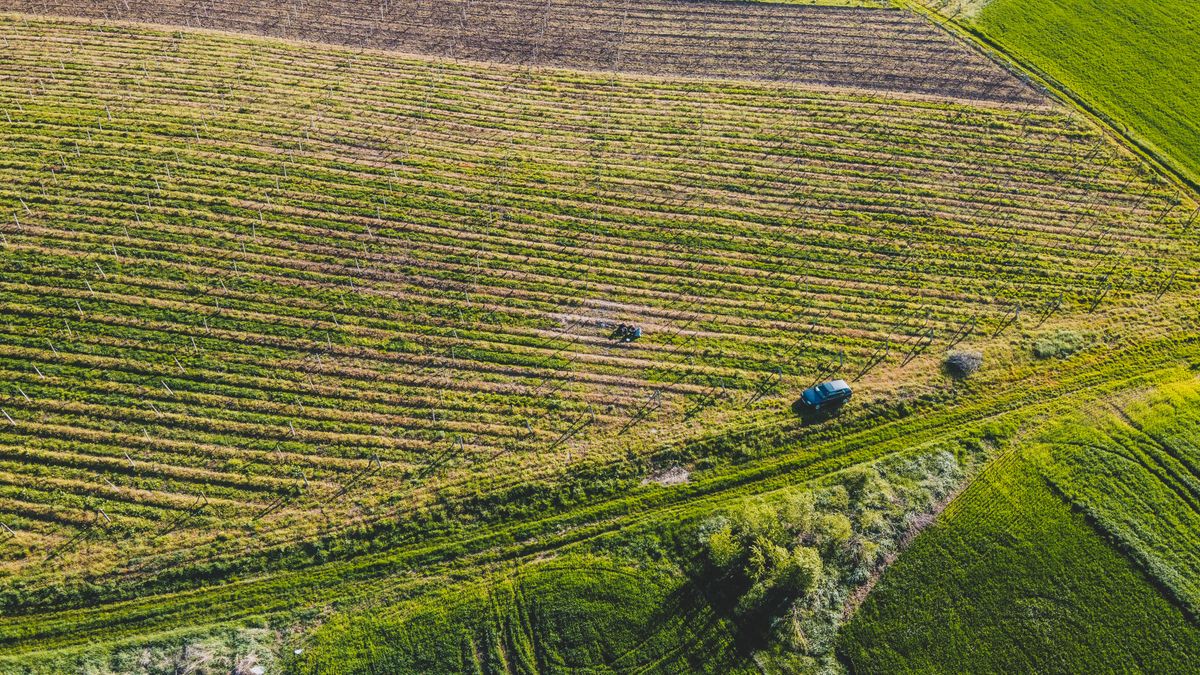
Illustrative editorial photograph · Pexels. Not a photograph of a marketplace listing.
An agricultural-drone operator may spend a sustained period in Iowa developing an authorized customer pilot or completing practical business preparation. A monthly stay is useful only if the actual schedule warrants it; seasonal interest alone does not create a confirmed assignment.
A drone business in Iowa can look simple from the outside: fly over fields, collect imagery, and maybe spray when the crop or weather demands it. In practice, the winning service depends on which rules apply, which buyers actually need the work, and how much of the calendar you can keep productive outside a narrow application window. The most useful starting point is not “How do I buy a drone?” but “Which legal service am I selling, to whom, and in which part of the Iowa season?”
A farm-service pilot with a separate place to live
Choose housing around the real farm-service area and everyday travel. Confirm ordinary parking and household storage limits, but arrange aircraft operations, chemical handling and commercial equipment storage independently through approved premises. Month ‘n’ More helps you find furnished monthly stays and contact owners about the actual home and your dates; it does not place workers or award business contracts.
Owners can describe normal parking, household access and living facilities, without promising permission to launch drones, store agricultural chemicals or run a commercial operation from the property. If the home is suitable, list a furnished monthly property on Month ‘n’ More and describe only what you can genuinely offer. This is a possible use case to evaluate, not measured or guaranteed rental demand.
drone services in Iowa: scouting and spraying are not the same business
Iowa State University Extension distinguishes between general drone use on farms and spray drone work that adds pesticide application rules. Their April 9, 2025 post explains that using a drone for crop scouting, imagery, and management decisions is commercial use under the FAA, while spray drone operations also trigger pesticide and aerial-applicator requirements. That difference matters because a business built around imagery can begin with fewer moving parts than a business built around spraying. If your first customers only need field pictures, stand counts, or problem-area maps, you are selling a data service. If they want herbicide, fungicide, or other crop inputs applied by air, you are selling a regulated application service with more compliance, more liability, and more seasonal urgency. See the Iowa State overview here: Getting Started with Drone Technology on Your Farm.
That split is the first commercial trade-off. Imagery work may be easier to start, but it can be harder to retain if clients can do some scouting themselves or if they want the data bundled into broader agronomy decisions. Spraying can command a clearer operational role because it solves a timing problem, but it also creates more exposure to drift claims, equipment downtime, and chemical handling obligations. The right entry point depends on whether you are trying to sell information, access, or application capacity.
Part 107 and Iowa spray rules: build the compliance stack before you sell
Two local facts from Iowa State Extension are especially important. First, the January 13, 2026 guide says FAA Part 107 Remote Pilot Certificate is required to operate drones commercially, and it notes that a 2-day Part 107 training workshop is scheduled at the Digital Ag Innovation Lab in Ames on February 24 and 25, 2026. Second, the same guide states that FAA Part 137 certification is required for any aerial pesticide application, including applications made by drone, and that Iowa Department of Agriculture and Land Stewardship licensing also applies. Those are not marketing points; they determine what you can legally offer. The state guide is here: Getting Started with Spray Drones in Iowa: A Practical Guide.
For a new owner-operator, compliance affects capital exposure. Buying a platform before you understand whether your intended work requires Part 137, pesticide-label approval for aerial application, and state licensing can leave you with equipment that is legal to own but not yet legal to use in the way you planned. It also affects buyer trust: commercial farms, agronomy firms, and custom applicator partners may want proof of certification, insurance, and safe procedures before they hand you a field. If you plan to handle spraying, talk with qualified legal, insurance, and pesticide-compliance professionals before launch; the article here cannot substitute for that advice.
seasonality drives the business model
Iowa’s crop calendar creates a strong seasonal pattern. That matters because drone revenue rarely arrives evenly through the year. The January guide frames spray drones as useful when soils are too wet for ground equipment, when crops are tall later in the season, and when timely applications matter during short windows. Those are real operational niches, but they are still seasonal. A business that only sells spraying may face long idle periods after spring and early summer. A business that also sells imagery, scouting, stand assessment, tile-line checks, storm-damage documentation, or spot mapping may smooth the calendar somewhat, although each added service should be judged on demand and legal fit, not optimism.
This is where the word farm data becomes more than a buzz phrase. If your customer wants maps and reports they can use for replant decisions, weed escapes, irrigation issues, or yield-story documentation, your value is in collecting, organizing, and delivering farm data quickly and in a format the buyer can use. But if customers only want raw aerial imagery, your differentiation is thinner. You should decide whether you are a field-observation vendor, a data-processing vendor, or a spray contractor, because each one has different software costs, support needs, and customer expectations.
A hypothetical first customer example: one field, one metric, one stop rule
Example: you pilot a first project with a central Iowa corn and soybean farm that wants early-season scouting plus a later targeted spray on an irregular field edge where ground equipment is awkward after rain. Your success metric is simple: within two business days of flight, the grower receives a georeferenced problem-area map and a written action recommendation, and for the spray phase the client confirms that the drone-treated strip is completed within the agronomist’s timing window without a repeat visit. Your no-go condition is equally simple: if the customer only wants prettier images and will not pay for a decision-ready report, or if the necessary product is not labeled for aerial application, you do not force the service into the sale.
That example helps you test several things at once. It asks whether your workflow can move from scouting to action, whether your software and reporting are fast enough to matter, and whether the buyer values timing more than raw acreage. It also avoids a common mistake: buying a spray platform because the job sounds advanced, then discovering the customer really wanted crop intelligence, not application.
Equipment and operating choices that actually change margins
The January guide points to practical equipment questions: payload, battery life, refill frequency, atomizer or nozzle behavior, GPS guidance, mapping, and local dealer support. Those are not hobbyist details; they shape daily throughput and your hidden cost per acre. A larger payload can reduce refill cycles, but only if battery swaps, charging, and mixing remain efficient. A sophisticated mapping system can improve workflow, but only if you and your client can use the output. If you purchase high-end hardware without nearby support, downtime can erase the advantage quickly.
For Iowa operations, local support matters because timely work often happens in compressed windows. The June 2, 2026 “Drone Spraying Essentials: From Basics to Application” event is scheduled at the Alliant Energy Agriculture Innovation Lab, 3800 University Blvd, Ames, with sessions on FAA Part 107 and Part 137, registrations, and the distinction between personal and custom application. That date and location show where the conversation is happening in the state’s ag-tech ecosystem, but they do not guarantee service, admission, or a customer pipeline. Use official event pages to verify whether a workshop still matches your timeline. The event listing is here: Drone Spraying Essentials: From Basics to Application.
- Confirm the exact service: imagery, crop scouting, spraying, or a bundled package; do not market all four as one thing if the certification and insurance differ.
- Match hardware to the work: payload and battery life for acreage, software for farm data delivery, and dealer/repair access for peak-season uptime.
- Check product and label fit before quoting spraying work; the label controls the legal use, not the demand from the customer.
Where to live while testing the market
Relocation should follow the work pattern, not the other way around. If your first training, testing, and networking days are in Ames, a temporary monthly stay there can be smarter than committing to a full move before you know whether the business will center on central Iowa farms or spread across a larger route. That is especially true if you expect early mornings, calibration sessions, or daytime meetings around the Digital Ag Innovation Lab and the Alliant Energy Agriculture Innovation Lab. A short-term furnished stay lets you evaluate access to field routes, storage, and battery-charging logistics before you sign a lease or buy a place. You can browse monthly stays for a temporary Ames-base trial and, if you have an owner-friendly furnished place near your work area, consider listing your place for monthly guests who are testing a business launch.
For this business, the housing question is not just comfort. If your jobs cluster near central Iowa during planting and early crop stages, being able to leave before dawn, return for mixing or charging, and avoid a long commute can matter more than square footage. If instead your likely customers are spread farther out, a temporary stay closer to your heaviest appointment cluster may reduce dead time. The key is to choose a base that fits access hours, equipment staging, and the geography of the first customers—not a permanent address chosen before demand is proven.
Due-diligence checklist before you buy or advertise
- Verify your intended service against FAA Part 107, Part 137, FAA registration rules, and Iowa licensing requirements; document what applies to each service line.
- Confirm insurance needs for non-chemical liability, chemical liability, and physical damage with a provider that insures agricultural drone operations.
- Check whether your target products are labeled for aerial application and whether your workflow can meet the label constraints.
- Map your likely customer geography and seasonality: which months are scouting-heavy, which are spraying-heavy, and where the travel time makes a route profitable.
- Test your reporting workflow on one field before scaling; if you cannot turn farm data into a useful decision file quickly, the service may not be ready for a paid launch.
- Use qualified legal and tax advice before structuring the business, especially if you plan to add custom application or work across county lines.
The practical conclusion is narrow on purpose: if you want the fastest credible start, begin with a Part 107-compliant scouting and farm-data service, then add spraying only after you have the right certifications, insurance, and label review in place. If your first confirmed buyer actually needs aerial application and your compliance stack is ready, the spray business may be the better path. In either case, choose Ames-area lodging first if your training and early testing are centered there, validate one paid project, and move from temporary stay to permanent housing only after the customer mix and travel pattern are clear.
For the local context and services discussed here, consult Getting Started with Spray Drones in Iowa: A Practical Guide | Integrated Crop Management and Getting Started with Drone Technology on Your Farm | Integrated Crop Management. Check current availability and eligibility with the responsible organization before making a business or relocation commitment.
Make your next month feel more settled.
Related reading

Iowa City Night Shifts: Protect Your Daytime Sleep
Iowa City night-shift renters need quieter daytime sleep, practical commute timing, and the right monthly stay near UI Health Care schedules.

A relocation checklist for your temporary home
A steady, step-by-step plan for finding a place, organizing arrival and making the first few days in a new city less hectic.