Kentucky bourbon-adjacent businesses: opportunities in traceability, packaging and reuse
Explore Kentucky bourbon support businesses in packaging, traceability and byproduct reuse, with practical customer tests and relocation decisions.
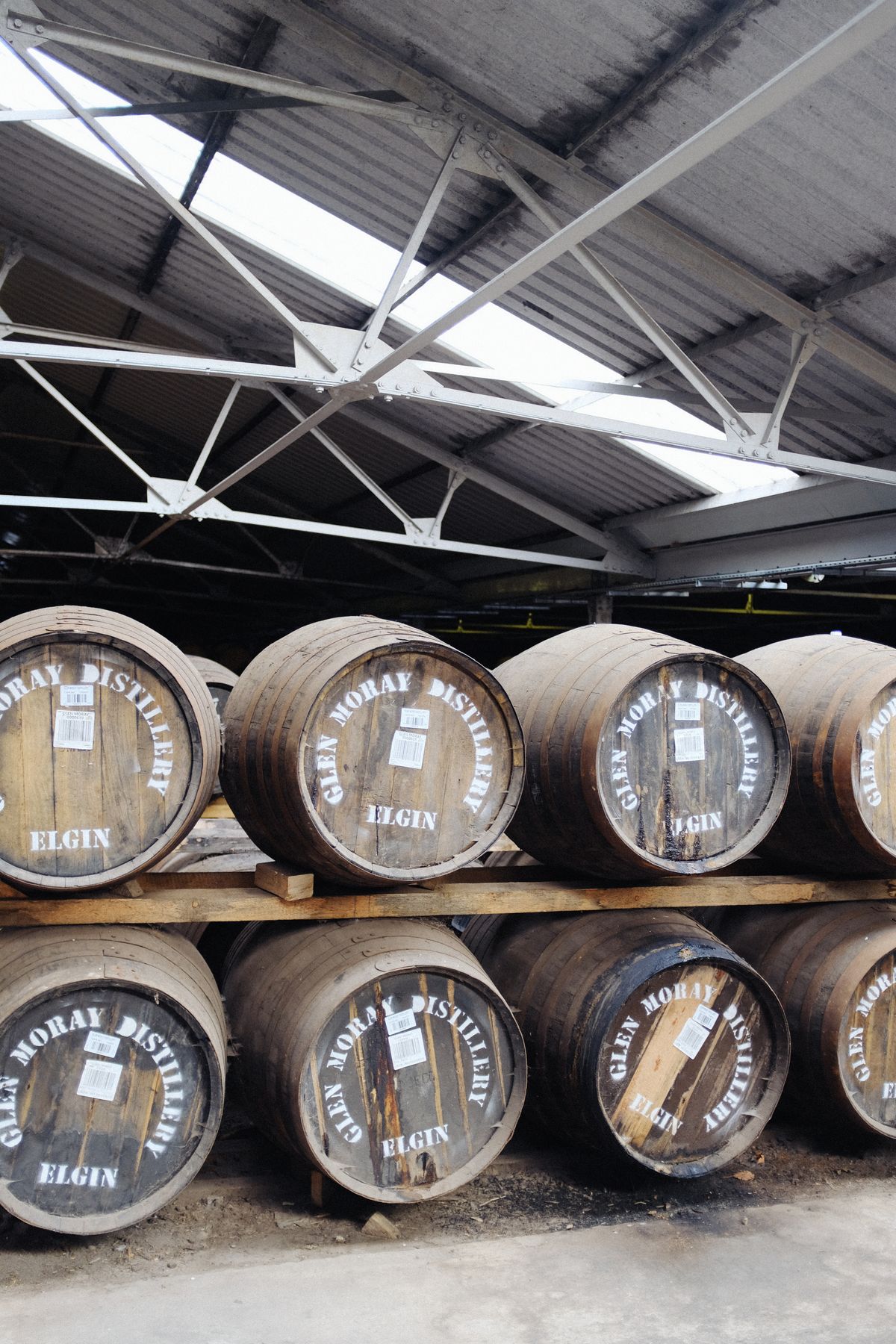
Illustrative editorial photograph · Pexels. Not a photograph of a marketplace listing.
A packaging, traceability or approved byproduct-support engagement can involve repeated Kentucky visits before a founder decides to move permanently. Monthly housing is connected to that actual customer work, not to bourbon tourism or an assumed supply contract.
A business connected to Kentucky bourbon does not have to own a still, age spirits or open a tasting room. The less visible work around production can be a better starting point: maintaining reliable lot records, coordinating approved packaging, or solving a clearly defined byproduct-handling problem. These are different businesses with different buyers. Choose one operational problem before treating the industry's reputation as evidence that someone will pay you to solve it.
A Kentucky living base while a distillery-support pilot is tested
Identify the distillery, packaging supplier or authorized material destination first, then compare exact stay dates and household arrangements. Keep industrial materials, regulated stock and customer operations away from residential accommodation unless the necessary permissions are established. Month ‘n’ More helps you find furnished monthly stays and contact owners about the actual home and your dates; it does not place workers or award business contracts.
Owners can accurately describe ordinary living, parking and internet features, without claiming distillery affiliation, commercial storage permission or guaranteed demand from the bourbon industry. If the home is suitable, list a furnished monthly property on Month ‘n’ More and describe only what you can genuinely offer. This is a possible use case to evaluate, not measured or guaranteed rental demand.
Read industry announcements as context, not a sales forecast
Kentucky's December 2022 bourbon and spirits announcement described a significant year of announced investment and job creation. It is useful historical context for the state's production ecosystem, not a current order book, a promise that facilities need your service, or proof that the same conditions apply today. New equipment and additional production can change supporting requirements, but established procurement relationships may already cover them.
A more specific example comes from the state's July 2025 Meridian Biotech announcement: a planned Franklin County project involving conversion of distillery byproducts into alternative proteins. The announcement also identifies Frankfort's historic Buffalo Trace Distillery. Those details connect manufacturing, material reuse and a real Kentucky location. They do not establish that the announced project is operating now, accepting suppliers, or making byproducts available to a new business. Confirm the present situation with the responsible organizations before arranging a visit or designing an offer around it.
Traceability services: sell a dependable handoff
Traceability is more than putting a code on a label. A useful system lets an authorized person connect an incoming component, an approved production record and an outgoing shipment without reconstructing the history from emails. Depending on the customer's process, the problem might be label-version control, packaging-component records, or the handoff between production and a storage or shipping team. Start by finding where information is actually lost.
For a small technology business, a first offer might be a supervised records-cleanup and workflow project, rather than replacing the distillery's production system. Ask which identifiers already exist, who can authorize changes, what the established software can export, and which records must remain untouched. Agree on ownership of the resulting data, access permissions and an acceptance test. A spreadsheet that looks tidy but cannot reconcile with the customer's approved records has not solved the problem.
Price the work around a bounded deliverable: mapping one handoff, configuring an approved export, or testing a defined set of records. Ongoing support can be a separate agreement with clear response expectations and change control. Do not promise regulatory compliance simply because the software can produce a report. The customer's responsible compliance and quality personnel need to decide whether the proposed process meets their requirements.
Packaging businesses need approval before inventory
Packaging is another possible niche, but a beautifully printed sample is not necessarily an acceptable production component. The buyer may care about dimensions, handling, protection, existing equipment, approved artwork and the consistency of repeated deliveries. Before ordering stock, establish who approves each specification and whether a replacement can be introduced without disrupting the customer's current process.
Separate packaging design, procurement coordination and physical supply. A designer may work against an approved brief without carrying inventory. A coordinator may help reconcile supplier specifications and delivery schedules. A physical supplier takes on different exposure: storage, transport, damage, minimum-order commitments and rejected material. Choose the model your working capital and experience can support. Do not borrow heavily on the assumption that a prospective buyer will accept a large first shipment.
Keep label-content approvals distinct from design preferences. Changes to descriptions, claims or legally required information should go through the customer's authorized reviewers. Ask whether your work touches alcohol licensing, labeling approval, food-contact requirements or other regulated activity, and obtain qualified advice where necessary. A bourbon-themed business name does not resolve those obligations.
Byproduct reuse is a logistics and permissions problem
The Meridian announcement provides a reason to investigate material-reuse services, not a recipe for handling distillery output. A potential customer could need scheduling, sampling coordination, documentation or approved transport support. Each possibility depends on the material, its condition, the intended destination and the organizations responsible for it. Existing contracts may already control who receives it and how it is managed.
Before proposing a service, clarify the material's legal classification, collection responsibilities, required storage conditions and the recipient's acceptance specifications with qualified specialists. Obtain written agreement about testing, rejected loads and liability. Do not improvise processing methods or assume that a material described as a byproduct is automatically safe to transport, sell or feed to animals. Technical and environmental decisions belong with appropriately qualified people.
- Identify the specific distillery team that owns the problem, not just a visitor-center contact.
- Document the current records, packaging specification or approved material pathway.
- Ask who approves a supplier and which insurance, training or access conditions apply.
- Determine whether the buyer needs design, coordination, physical supply or continuing support.
- Set an acceptance test, a scope boundary and a written change process before starting.
- Confirm current regulatory obligations and existing third-party commitments with the responsible specialists.
A first project that can fail safely
Consider a hypothetical packaging coordinator helping one producer reconcile approved carton specifications with receiving records. The pilot covers one component and a limited set of recent deliveries. Its success measure is whether an authorized employee can consistently connect each inspected delivery to the correct approved specification, with discrepancies clearly recorded. It does not depend on increasing sales or gaining access to confidential production information.
The stop condition is equally important: if records cannot be accessed lawfully, specifications cannot be confirmed, or the relevant manager will not own the acceptance decision, pause the project. A polite expression of interest is not a substitute for these conditions. Only after the workflow works should you discuss expansion, recurring support or a physical-supply arrangement.
Locate the working relationship before relocating
Frankfort and Franklin County are relevant to the announced reuse project, but your actual customer could be elsewhere in Kentucky. A distillery visit, a packaging warehouse and a supplier meeting may require different destinations and different arrival arrangements. Establish the real work locations, visitor permissions, equipment-storage needs and expected on-site days before choosing a temporary base. Do not calculate the move from a tourism map alone.
If the opportunity needs repeated visits before a permanent move, search furnished monthly stays for the exact dates you can realistically commit to. Ask about the property's actual internet setup, parking and arrival arrangements. A home is not automatically an approved workshop, stockroom or business address; keep hazardous materials, industrial activity and customer visits out of the housing plan unless the relevant permissions are established.
Owners near a genuine working destination can list a furnished monthly property with accurate details about the rented space and ordinary living arrangements. Do not market it as guaranteed distillery-worker housing or imply that staying there creates industry access. For the entrepreneur, the sensible sequence is a verified customer problem, a bounded pilot, and a housing decision that supports that work—not a speculative move followed by a search for something to sell.
For the local context and services discussed here, consult Gov. Beshear: Kentucky’s Bourbon and Spirits Industry Continues To Thrive With All-Time Highs of $2.1 Billion in New Investments and 700 Full-Time Jobs Announced in 2022 | Kentucky Cabinet for Economic Development and Meridian Biotech To Create 35 High-Wage Jobs With $40 Million Facility To Repurpose Bourbon Distilled Byproducts in Frankfort | Kentucky Cabinet for Economic Development. Check current availability and eligibility with the responsible organization before making a business or relocation commitment.
Make your next month feel more settled.
Related reading
Lexington Horse Work: Boots, Gear and Stable Access
Lexington monthly stays for horse work: how to judge boots, gear storage, and stable access before you contact an owner.

A relocation checklist for your temporary home
A steady, step-by-step plan for finding a place, organizing arrival and making the first few days in a new city less hectic.