Lexington Horse Work: Boots, Gear and Stable Access
Lexington monthly stays for horse work: how to judge boots, gear storage, and stable access before you contact an owner.
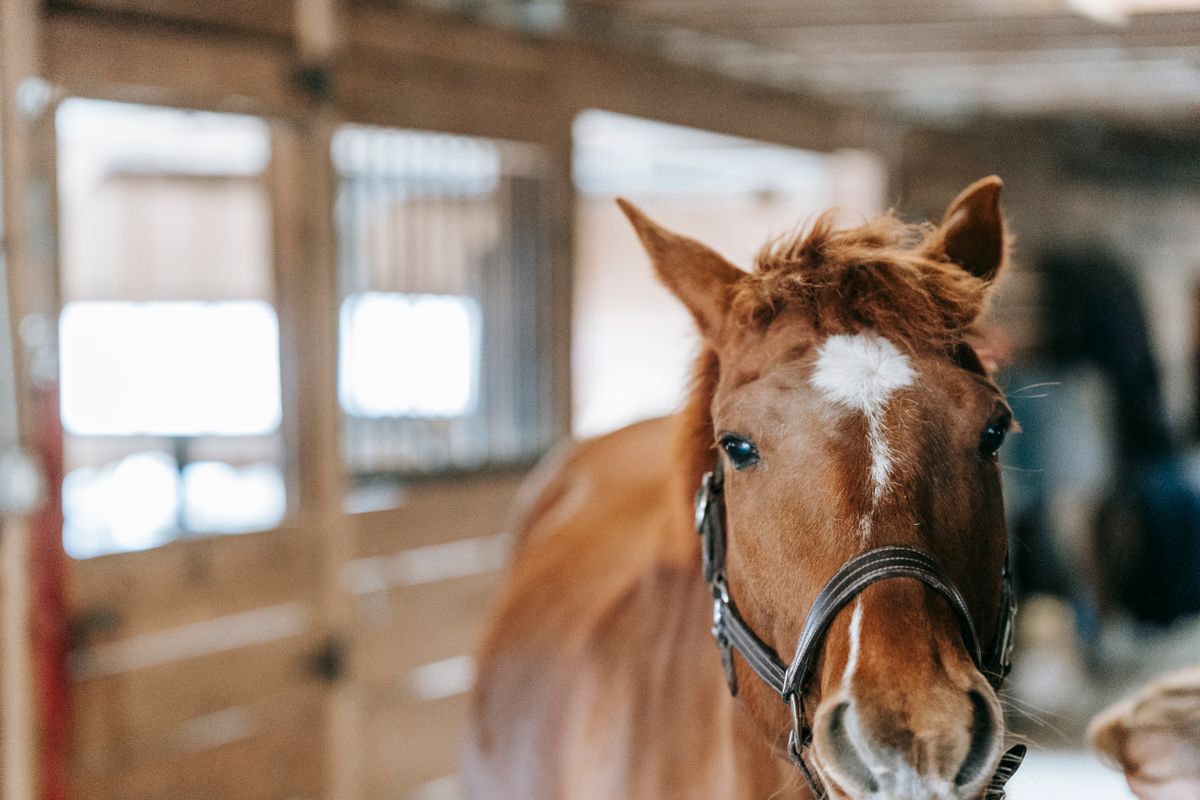
Illustrative editorial photograph · Pexels. Not a photograph of a marketplace listing.
If you are choosing a monthly stay in Lexington, Kentucky for horse work, the first decision is not where the cheapest room is; it is whether the place fits the boots, gear, and stable routine you actually have to carry every day. A stable hand, groom, vet assistant, or racing crew member may need early departures, a dry place to change boots, space for muddy tack bags, and a route that does not turn every errand into a long detour. In a city with more than 450 horse farms and a tourism identity built around equine work, those details matter as much as the bed itself. Lexington is known as the Horse Capital of the World, and the visitor guide points to the scale of that setting: “more than 450 horse farms” and tours that can reach stallion farms, nurseries, vet clinics, feed mills, and aftercare facilities in the region VisitLEX attendee guide.
What horse-work renters actually need to solve in Lexington
The practical problem is not just sleep. It is how your clothing and gear move through the day. Boots come off wet or caked with bedding, helmets or hats need a place that is not in the way, and work gloves, socks, rain gear, and spare layers need to stay organized enough that you can leave before daylight without searching the whole place. If you are considering a monthly stay through Month'n'More search, use the listing conversation to test whether the space can handle stable life instead of assuming “furnished” means workable. Ask where damp boots are meant to dry, whether there is a mat or hard surface near the entry, and whether you can store a gear bag inside rather than in a car trunk. If you are an owner near Lexington and your place actually fits workers who live in boots, gear, and barn clothes, list your place here so the right people can find it.
A worked example: the early-morning stable schedule
Example: a groom takes a monthly stay in Lexington for a six-week stretch while working split shifts at a nearby stable. The job starts before sunrise, so the key questions are not about pool access or decorative finishes. The worker wants to know whether the entry is easy to clean, whether there is a spot for a second pair of boots, and whether the walk from the parking area to the door is short enough that carrying tack or laundry is manageable in bad weather. A useful test is to imagine the dirtiest normal day, not the cleanest one. If the answer is, “Can I come in with mud on my boots, set my gear down, change, and leave again without making a mess or blocking a hallway?” then the place is closer to a horse-work fit. If the answer is no, the monthly stay may still be acceptable, but only if the worker has a clear routine for keeping gear contained and the owner understands the wear that comes with barn life.
How Lexington geography changes the gear decision
Lexington’s layout affects the boot-and-gear decision more than many people expect. VisitLEX says the city is “set up like a wheel with spokes,” with main roads running from downtown into horse country VisitLEX about Lexington. That means the value of a monthly stay often depends on which spoke you need, how often you will drive out to a stable, and whether your commute crosses busy arterial roads during your earliest or latest shifts. For a horse worker, this affects more than time: it changes whether you can reasonably carry an extra set of boots, rain gear, or feed-room supplies in your vehicle without making a long stop back at the stay. The same source also notes Blue Grass Airport (LEX) and its location among Thoroughbred horse farms, which matters if your schedule includes frequent arrivals or departures. A stay that is easy to reach from the airport may help if you are flying in with gear, but you still need to ask where larger items will be stored once you arrive.
Stable access: what to ask before you agree to a monthly stay
“Stable access” can mean two very different things: access to your job site and access to a place where your gear can be handled cleanly at home. Do not assume that a listing near horse country automatically solves either. Instead, ask questions that match your workflow. Can you bring in boot trays, a small drying rack, or a second mat without crowding the main room? Is there a place for muddy outerwear that will not soak into upholstery? If you are traveling with work gear in a vehicle, is parking close enough that you can move bags without crossing a long path in rain or ice? If your workday ends after dark, is the entry lit well enough that you are not juggling boots and keys at once? These are the details that protect both the property and your routine.
A decision framework for boots, gear, and barn proximity
Use a simple three-part test before you contact an owner. First, separate daily-wear gear from stored gear. The pair of boots you wear into the stable is not the same as the pair you keep dry for errands, so your stay needs room for both. Second, map the route from the door to the barn or job site. If your schedule depends on Lexington’s spoke-like road pattern, a few minutes saved in the wrong direction can become lost time every day. Third, match the stay to the mess level you create. If you carry shavings, feed dust, or mud on a regular basis, ask whether the home’s surfaces and entry space can be kept tidy without constant negotiation. This is not about luxury; it is about whether the space can handle the realities of horse work for the full month or more that you need.
Questions to ask an owner in Lexington
Use direct, specific questions rather than broad ones. Ask: Where would wet boots go after a morning shift? Is there a place to hang work jackets so they do not touch clean clothing? If I need to bring a helmet, tack bag, or grooming kit, where would I set it down near the door? Can I wash barn clothes often enough for my schedule? Is there parking that lets me move gear without hauling it through shared indoor space? If the stay is near downtown, how easy is it to get out toward horse country using the main roads the city relies on? These questions help you compare options without assuming any one property will work the same way for horse workers. They also let owners understand the difference between a casual visitor and someone living in stable rhythm for a month or longer.
A short checklist before you choose
- Confirm the exact arrival and departure dates for the monthly stay so you can plan gear rotation without guessing at a calendar month.
- Identify where dirty boots, clean boots, and a spare pair will each live inside the space.
- Ask what surfaces at the entry are easiest to keep clean after barn work and whether there is room for a mat or boot tray.
- Verify parking and the walking path from vehicle to door for early-morning and late-night shifts.
- Check whether the route to your stable or horse-country stop fits Lexington’s spoke-and-arterial road pattern.
- If you are carrying extra items such as a tack bag or grooming kit, ask where they can be stored without blocking daily living space.
- Look at your own laundry cycle and ask whether the stay supports it for work clothes that may need frequent washing.
- Use Month'n'More search to compare monthly stays, and message owners only after you know what gear and stable access you need.
Using Lexington’s horse culture without overreading it
Lexington’s equine identity is real, but it does not mean every nearby stay is fit for horse work. The visitor materials point to world-famous Thoroughbred farms and experiences like Keeneland, Kentucky Horse Park, and Horse Country tours, including visits that can reach vet clinics and feed mills VisitLEX attendee guide. That tells you the city’s horse economy is deep and varied, which is useful because your job may be on a farm, in support services, or in another part of the equine network. It does not tell you where to sleep with damp boots or whether a given entryway is practical. Use the local horse culture as context for your search, not as proof that any particular place is ready for barn life.
If you are a horse worker planning a monthly stay in Lexington, the best outcome is a place that disappears into the routine: boots dry where they should, gear stays together, and stable access does not become a nightly negotiation. That kind of fit comes from asking precise questions and comparing what the space can handle against your real workday, not against a generic traveler’s checklist. If you are looking, start with Month'n'More search; if your place can serve this exact kind of guest, list your place here.
Make your next month feel more settled.
Related reading

Questions to ask before choosing a stay
The useful questions that bring a listing to life, from included costs and furnishings to arrival, internet and the small details of daily living.

Furnished monthly rentals, explained
A clear starting point for understanding what a furnished monthly stay is, what it may include and how to decide if it fits your plans.

Furnishing essentials for monthly stays
A people-first guide to preparing a furnished home: focus on comfort, useful basics and clear expectations instead of filling every shelf.