Atlanta film-production technology: selling reliable workflows instead of chasing credits
Atlanta film-tech operators can sell data discipline, backup, crew coordination, and rights clearance workflows to productions that need reliability more than hype.
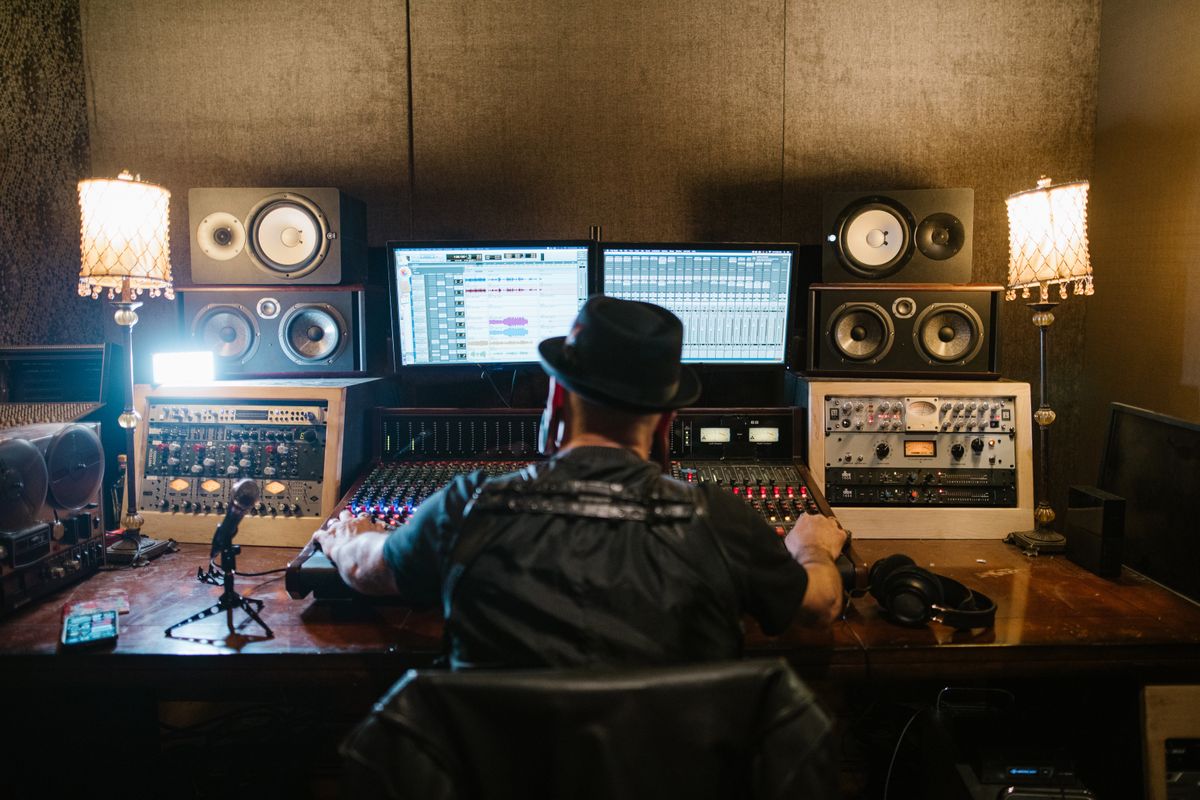
Illustrative editorial photograph · Pexels. Not a photograph of a marketplace listing.
A production-data specialist may come to Atlanta for an authorized engagement lasting calendar months, with daily life continuing outside studio hours. Temporary housing can support the assignment while the specialist keeps production commitments and residential arrangements separate.
Atlanta is a market where film-production technology wins by preventing chaos, not by chasing a tax narrative. If you build systems around production data, backup, crew schedules, and rights clearance, you are selling something producers can feel immediately: fewer lost takes, fewer missed call times, fewer clearance surprises, and cleaner handoffs from set to post. The opportunity is not to promise magic access to local soundstages; it is to become the person who keeps the workflow intact when the shoot moves fast and the stakes are high.
An Atlanta home between production workdays
Locate the confirmed production and meeting destinations, then ask about sleep conditions, parking, internet and arrival arrangements. The rented home is not automatically a filming location, an editing business open to clients or approved storage for production assets. Month ‘n’ More helps you find furnished monthly stays and contact owners about the actual home and your dates; it does not place workers or award business contracts.
Owners can accurately explain household facilities and access, without promising filming permission, sound isolation, production affiliation or continuous film-worker demand. If the home is suitable, list a furnished monthly property on Month ‘n’ More and describe only what you can genuinely offer. This is a possible use case to evaluate, not measured or guaranteed rental demand.
Why Atlanta rewards workflow reliability
Georgia Film Academy’s public materials matter here because they show the kind of local labor pipeline and facility footprint a workflow vendor will actually encounter. The academy lists a Trilith Studios Hub at 461 Sandy Creek Rd in Fayetteville and an Assembly Studios Hub at 5849 Peachtree Rd in Chamblee, with satellite campuses varying by teaching institution and a Board of Regents office at 270 Washington Street, SW in Atlanta where no classes are held. Those details are more than addresses: they tell you that Atlanta-area work is distributed across multiple nodes, so your service model has to handle handoffs, not just one downtown client. The academy also publicly points to certifications in Film & Television Production, Film & Television Post-Production, and Live Production, Streaming & Esports, which signals a workforce ecosystem that overlaps production, post, and live capture rather than one narrow niche. See the academy’s official course and hub pages at Georgia Film Academy’s main site and its course pathways and locations.
That matters commercially because buyers in Atlanta often need vendors who can speak the language of set logistics and the language of media operations. A production coordinator may care about call sheets; a post supervisor may care about file naming and ingest integrity; a business affairs lead may care about rights clearance. If you can make those processes fit together, you are solving a problem that exists regardless of genre or platform.
The service bundle that sells best
A strong Atlanta offering is usually not “film tech” in the abstract. It is a specific bundle that reduces risk for a production office or a small post team. The most credible bundle includes: secure production data handling, verified backup routines, schedule synchronization, and rights clearance tracking. Each piece should be framed as workflow support, not as an ownership claim over the production itself.
- Production data: ingest logs, camera-card tracking, file version control, metadata hygiene, and a simple audit trail for who touched what and when.
- Backup: redundant copy rules, off-site or cloud replication planning, restore testing, and plain-language recovery documentation that a set PA can follow.
- Crew schedules: a single source of truth for call sheets, department updates, and change notices so that the office, set, and post team are not working from different versions.
- Rights clearance: music cue logs, appearance release tracking, stock-asset documentation, and a deadline calendar that flags unresolved items before final delivery.
The trade-off is that each layer increases reliability but also operating complexity. A lean crew may resist any process that slows the morning. A bigger show may accept more process if it reduces downstream errors. Your pricing model should reflect that tension: a fixed monthly workflow support retainer can fit recurring post work, while per-project setup and training may fit short series or branded content. But you should not assume a buyer wants full-service management; many will want a narrow intervention that keeps them moving without replacing their own staff.
A hypothetical first project that proves demand
Example: a four-day unscripted pickup shoot in the Atlanta metro needs a lightweight production-data and backup system because footage will be handed to an out-of-state editor each evening. You propose a setup package that includes a naming convention, dual-backup verification, a shared production log, and a rights-clearance tracker for contributor releases and music use. Success metric: by the end of day two, every card is logged, every backup is verified, and post can locate the correct files without asking the set team for manual rescues. Stop/no-go condition: if the client insists on ignoring the agreed backup or clearance steps after day one, you walk away from expanding the scope, because the risk of being blamed for preventable loss outweighs the value of the engagement.
This kind of first project is better than trying to win a headline credit. It validates whether the buyer will pay for discipline. It also reveals whether your process works under Atlanta production tempo, where multiple departments may be operating across a citywide footprint and may not be able to wait for long custom explanations.
Where the work sits in Atlanta, and where you should live first
Relocation for this business should follow the work pattern, not a postcard image of the city. If your main buyer is near Chamblee, the Assembly Studios area, or the broader northeast corridor, a temporary furnished stay in that direction can reduce commuting friction for early call times and same-day meetings. If you expect more work connected to Fayetteville or south-side studio activity, a different monthly base may make more sense. The point is not “live in Atlanta”; it is to live close enough to the production office, storage run, or late-night file handoff that you can respond without burning your day on transit.
Month-n-More can be useful for that temporary step because it helps you search furnished monthly stays and list your place if you have owner-use flexibility. Use exact calendar dates for the stay you actually need, not a loose 30-day assumption, and confirm in writing what the host allows for quiet work, storage, or visiting colleagues. The platform is about finding a practical base, not about guaranteeing a studio office or special business permission. For a workflow business, that distinction matters: you may need a place with a table, a door, and predictable access hours more than you need a glamorous neighborhood.
If your first clients are scattered between Atlanta, Fayetteville, and Chamblee, the most sensible housing decision may be a short monthly stay near the corridor you will serve most often. That lets you test whether your schedule support and emergency backup response are worth paying for before you commit to a lease tied to one side of town.
How Georgia Film Academy affects talent, not guaranteed demand
The Georgia Film Academy’s public course structure is useful because it suggests where future crew members and assistants are likely to develop baseline familiarity with set and post terminology. Its certification tracks in production, post-production, and live production mean that a vendor who can teach a clean workflow may find recruits or subcontractors who already understand parts of the chain. But training pipelines do not guarantee immediate demand, and they do not authorize you to claim any preferred access to students, campuses, or facilities. They simply make Atlanta a place where your explanations may land faster if they are practical and specific.
That is why a rights-clearance workflow can be a better entry than a broad IT pitch. Clearance touches business affairs, editors, producers, and delivery teams, and it creates an obvious cost of failure. Likewise, backup support is easy to understand: if the media is lost, the schedule slips. Those are not abstract benefits; they are operational painkillers.
Due diligence before you buy gear or sign space
Before committing capital, verify the following locally and with professional advice where needed:
- Confirm whether your service agreement covers labor only, software setup, or custody of client media, because media handling can trigger contract and liability issues that need counsel.
- Check building access, loading rules, and quiet-work expectations for any monthly stay or office lease; do not assume a furnished unit is acceptable for business storage or client meetings.
- Map the actual production geography you plan to serve—Atlanta, Chamblee, Fayetteville, or post rooms elsewhere—so your response times are realistic for crew schedules.
- Test backup and restore procedures on noncritical data before promising resilience to a client.
- Separate rights clearance tasks from legal representation; if a project involves talent releases, music licensing, or archival footage, a qualified attorney or clearance specialist may be needed.
- Match equipment purchase to recurring work, not aspiration; a redundant drive set or secure laptop may be enough for a first offer, while a full server stack may sit idle.
The main commercial question is whether you are selling a repeatable workflow service or a custom rescue service. Repeatable services are easier to standardize and train. Rescue services can command attention but are difficult to scale and can attract clients who only call when something is already broken. Atlanta can support both, but the economics are very different.
A practical way to price without overpromising
A sensible starting model is a two-part offer: a setup fee for workflow design and a project fee for on-set or post support. The setup fee covers the work of building templates, naming rules, and backup routines. The project fee covers day-of support, coordination, and revision management. For some clients, a monthly maintenance retainer may make more sense if their crew schedules and deliverables recur across episodes or campaigns.
Do not sell “protection” in the abstract. Sell the documented result: cleaner production data, verified backup, and a readable rights-clearance path. Then define what is not included. If a buyer wants you to police every vendor contract, negotiate rights, or provide legal signoff, that is a different service. Keeping the scope narrow protects your margin and reduces the chance that a client blames you for a problem outside the agreement.
If you can leave Atlanta with one decision, make it this: start with a workflow product that saves files, aligns crew schedules, and surfaces clearance risks early, then base yourself temporarily where the shoots and post handoffs actually happen. That is a better business than chasing credits, and in this market it is the one most likely to turn into steady work.
For the local context and services discussed here, consult Film Industry Training & Education in GA - Georgia Film Academy and Film Industry Training & Education in GA - Georgia Film Academy. Check current availability and eligibility with the responsible organization before making a business or relocation commitment.
Make your next month feel more settled.
Related reading

Savannah Historic Homes: Stairs, Deliveries and Access
Savannah renters and hosts can judge historic-home stairs, delivery access, and parking constraints before choosing a monthly stay or listing.

A relocation checklist for your temporary home
A steady, step-by-step plan for finding a place, organizing arrival and making the first few days in a new city less hectic.