Port Canaveral and the Space Coast: practical business services around launch operations
How launch schedules, restricted access, and Port Canaveral operations shape practical Space Coast service businesses and where to stay before relocating.
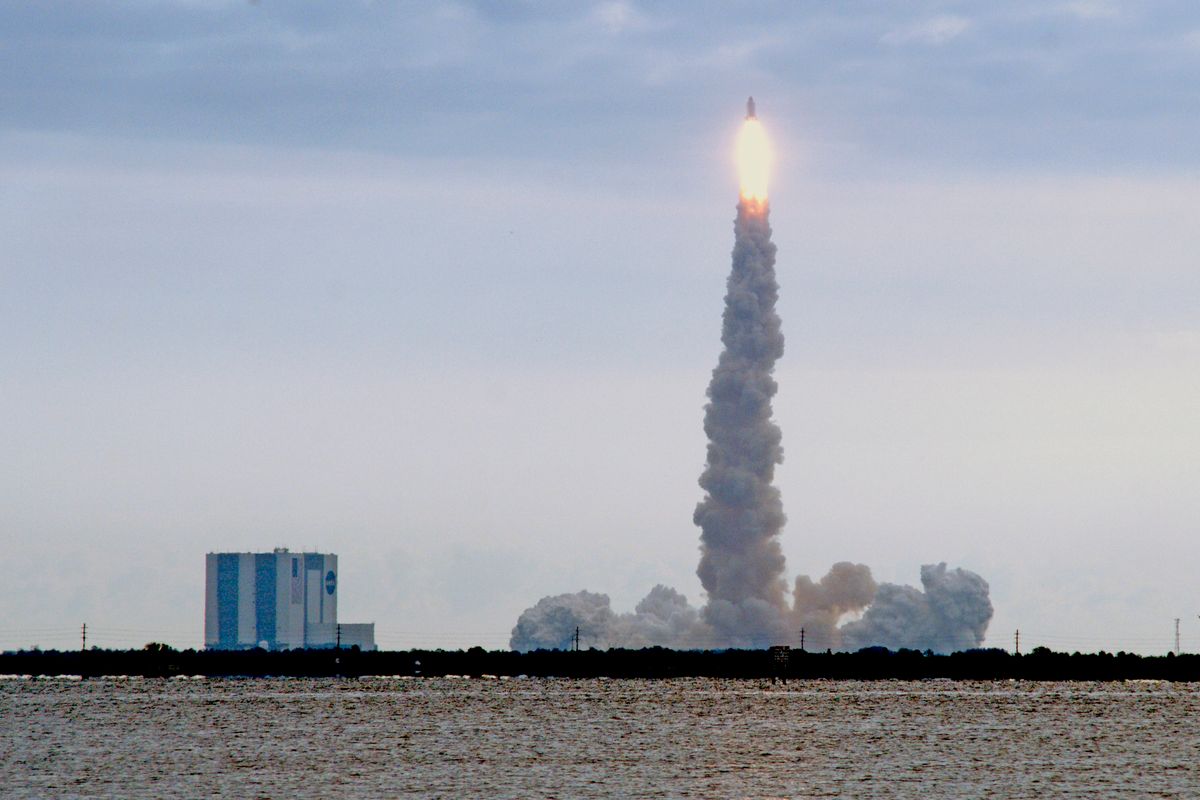
Illustrative editorial photograph · Pexels. Not a photograph of a marketplace listing.
A visiting operations specialist or service-business founder may need a sustained Space Coast base while coordinating a confirmed engagement. That is a plausible monthly-living use case, but a launch announcement alone is not evidence of a contract or a predictable stay length.
A service company that wants to work around Port Canaveral and the Space Coast is not selling to tourists, and it is not selling to rockets. It is selling uptime, coordination, and compliance to firms whose days are ruled by launch schedules, weather holds, marine traffic, and restricted access windows. That changes everything about where the business sits, how fast it answers calls, which jobs are worth taking, and whether a founder should live in Titusville, near Cape Canaveral, or farther inland while contracts are being proven.
A Space Coast base that follows the work rather than a launch headline
Confirm the actual work site, permitted access and agreed dates before selecting housing near Titusville or another destination. Ask about ordinary parking and living arrangements; do not use the home as an equipment yard or a substitute for restricted-site authorization. Month ‘n’ More helps you find furnished monthly stays and contact owners about the actual home and your dates; it does not place workers or award business contracts.
Owners can describe practical household features for a temporary worker, without implying launch access, space-agency endorsement or guaranteed occupancy around launch schedules. If the home is suitable, list a furnished monthly property on Month ‘n’ More and describe only what you can genuinely offer. This is a possible use case to evaluate, not measured or guaranteed rental demand.
What the work actually is on the Space Coast
The practical business opportunity here is usually not a headline-making “space company.” It is the quieter layer of services that makes launch operations and recovery operations possible. Port Canaveral says its space operations include launch and recovery support for companies such as SpaceX, Blue Origin, and ULA, and that in FY 2025 it recorded 90 booster recoveries and 190 fairing recoveries. Those numbers matter because every recovery creates demand for transport, staging, cleaning, inspection support, dock coordination, warehousing, security coordination, logistics administration, and equipment service. The Space Coast economy around launches is therefore best understood as a schedule-driven industrial services market, not as a generic aerospace boom.
That distinction matters for new entrants. A launch-adjacent business can exist without touching flight hardware. It might handle marine vessel supplies, document control, temporary office support, non-hazardous facility cleanup, vehicle shuttling, freight coordination, or subcontracted admin tied to service contracts. But each niche has different barriers. Some work can be built with modest capital and a small local team. Other work needs marine credentials, insurance, after-hours dispatch capability, or procurement experience with prime contractors and port tenants.
Why Port Canaveral changes the commercial math
Port Canaveral is not just geographically close to launch sites; it is operationally embedded in the launch ecosystem. Its space operations page explains that the port has flexible land and building lease agreements to support landside operations such as booster recovery and transport, vessel supply and maintenance, office space, and storage of aerospace components. It also notes the port’s mobile harbor crane was specifically designed and engineered to handle booster recovery and shoreside placement. Those are not abstract marketing points. They show that businesses working in this cluster need to be ready for port procedures, berth coordination, and equipment timing rather than standard retail traffic.
The port also references a launch schedule and launch hazard areas, and says it took a leading role in coordinating multi-agency launch notices and Notices to Mariners to de-conflict commercial and recreational vessel operations from mission hazard areas. For a service company, that means a missed notice can be more than inconvenient; it can strand labor, delay a pickup, or make a same-day promise impossible. Around restricted access zones, a business should assume some jobs will be sensitive to hours and entry points, and should build in a process for verifying who can be on site, when, and under what documentation.
This is why the location decision is not just “be near the port.” The right choice depends on whether your work is dockside, inland, mobile, or largely remote. A documentation, bookkeeping, procurement-support, or coordination firm might function from Titusville or another nearby community with easier housing options and lower office overhead, while a field-service or marine support company may need faster access to Port Canaveral and the roadway pattern around the launch corridor. For local business guidance, the City of Cape Canaveral’s Small Business Information + Resources page points to the Economic Development Commission of Florida’s Space Coast, the Florida Small Business Development Network, and the University of Central Florida Small Business Development Center as institutional starting points. Those are useful because they are regionally grounded, not generic web directories.
Which niches are plausible, and which ones have proven demand
Proven demand is strongest where an activity repeats with every launch or recovery. That includes marine logistics support, transport coordination, temporary storage management, facilities support, and subcontracted administrative work tied to recurring service contracts. Historical port activity suggests sustained need, not a one-off spike. Port Canaveral says SpaceX’s maritime fleet has included drone ships and recovery vessels, and that its space operations footprint has grown with repeated launches and recoveries. The fact pattern supports recurring service demand even when a specific launch cadence changes.
Plausible but less proven niches include launch-event hospitality for business teams, specialized local media services, and certain consulting offerings. These may exist, but they are more vulnerable to schedule changes and customer concentration. A founder should be careful not to mistake visible launch excitement for broad buyer demand. A business that depends on one or two launch providers, or on a single port tenant, is exposed to delays, schedule slips, and procurement shifts. A business serving multiple buyers—port tenants, marine operators, warehouse managers, subcontractors, and nearby industrial firms—usually has a steadier base.
A worked example: starting a launch-support coordination firm
Example: a founder opens a small coordination firm that helps non-hazardous subcontractors manage same-day work orders, dock appointments, vehicle access paperwork, and job-status updates around launch operations. The firm does not claim to handle flight hardware or restricted technical data. It offers scheduling coordination, document routing, and field dispatch support for contractors who need a local point of contact when launch windows move.
Success metric for the first project: within one quarter, land a single recurring service contract with a port-adjacent contractor that requires at least weekly coordination during launch-active periods, and keep on-time job handoffs above an agreed internal target. Stop/no-go condition: if the business cannot secure repeatable work beyond one-off favors, or if most requests require capabilities outside its competence, it should pause expansion and re-scope before hiring or leasing dedicated space.
The pricing choice here is a real trade-off. Hourly billing can fit unpredictable launch changes, but it can reward inefficiency and create customer anxiety. Retainer-style service contracts can stabilize cash flow, but only if the company can define deliverables cleanly and avoid promising around-the-clock response it cannot staff. Integration with customers’ own ticketing, compliance, or dispatch systems can be valuable, but every new system adds training time and support burden. A lean founder should start with the minimum integration that reduces errors, not with a full software stack that looks impressive but slows first revenue.
Due diligence before signing anything on the coast
- Confirm whether your service touches port property, launch-adjacent zones, or restricted access areas, and ask each buyer what approvals, badges, escorts, or insurance language they require before work starts.
- Verify whether your operating hours must align with launch schedules, nighttime recovery work, or Notice to Mariners timing, because missed windows can turn a profitable call into a dead trip.
- Ask every prospective customer whether the work is direct to a launch provider, a port tenant, or a prime contractor, since service contracts may flow through procurement layers that change payment timing.
- Check whether your business needs a BTR or other local registration, and confirm with local and state sources rather than assuming one county filing covers all activity.
- Review transportation, parking, storage, and standby costs for jobs that may be delayed by weather or range restrictions, because those costs can exceed the apparent simplicity of the task.
Where to live first, and why housing strategy is part of the business model
Relocation should follow the work pattern, not the other way around. A founder who must reach Port Canaveral quickly for early-morning vessel calls may want to test a short-term stay closer to the coast, while a founder whose work is mostly coordination, estimating, and customer service can consider Titusville for lower fixed overhead and easier access to both the port corridor and other Space Coast business addresses. That is where a monthly furnished stay can be a smart bridge: live near the work zone for exact calendar dates while testing the market, then decide whether to sign a longer lease only after confirming which customers actually repeat.
For that bridge period, a founder can search available monthly stays through Month ’n’ More search and, if they own a place near the work corridor, can evaluate whether to list it for monthly business travelers. The point is not to promise instant availability or a guaranteed workspace; it is to reduce the friction of a short operational test while a service business learns the cadence of launch-related calls, on-site visits, and restricted access routines.
If your company’s first month is mostly phone work and back-office coordination, you may not need to be steps from the port. If your team is carrying equipment, meeting trucks at odd hours, or responding to late schedule changes, living closer to the corridor can prevent late arrivals and missed handoffs. That is a business decision, not a lifestyle preference.
Where to get help, and what to verify first
The most practical institutional starting points are local and sector-specific. The Cape Canaveral city resource page links to the Space Coast EDC, CareerSource Brevard, the Florida SBDC, SCORE, and the UCF SBDC, all of which can help a founder sort local contacts from general enthusiasm. The Space Coast EDC community partners page is especially useful because it points to Eastern Florida State College SBDC, weVENTURE, and the Florida Virtual Entrepreneur Center for businesses starting, relocating, or expanding in the region. These resources matter because they can help you map the buyer landscape, not just the address book.
Before spending on equipment or office buildout, verify whether your likely buyers want a subcontractor, a vendor, or a tenant; whether the work is recurring or tied to one launch cycle; and whether the port or customer site has access rules that make your current staffing plan unrealistic. For legal, tax, procurement, or insurance questions, use qualified professionals who can review your actual contracts and operating model.
The sensible first move is not to chase the glamour of the launch schedule, but to anchor a narrow, repeatable service around it. If you can secure one recurring buyer, operate within restricted access rules, and keep your housing flexible while you learn the rhythm of Titusville, Cape Canaveral, and Port Canaveral, the business is worth pursuing; if you cannot, stay in the market as a vendor-first experiment and do not commit to a long lease yet.
For the local context and services discussed here, consult Small Business Information + Resources and Space Operations - Port Canaveral. Check current availability and eligibility with the responsible organization before making a business or relocation commitment.
Make your next month feel more settled.
Related reading

Moving to Orlando With Children: School-Week Planning
Orlando families renting month to month need a school-week plan: enrollment timing, document gathering, and choosing housing that fits OCPS routines.

A relocation checklist for your temporary home
A steady, step-by-step plan for finding a place, organizing arrival and making the first few days in a new city less hectic.