Provo Furnished Rentals for a Project-Based Move
Plan a Provo project stay with a changing finish date, desk needs, commute checks, and a clean move-out for month-long furnished rentals.
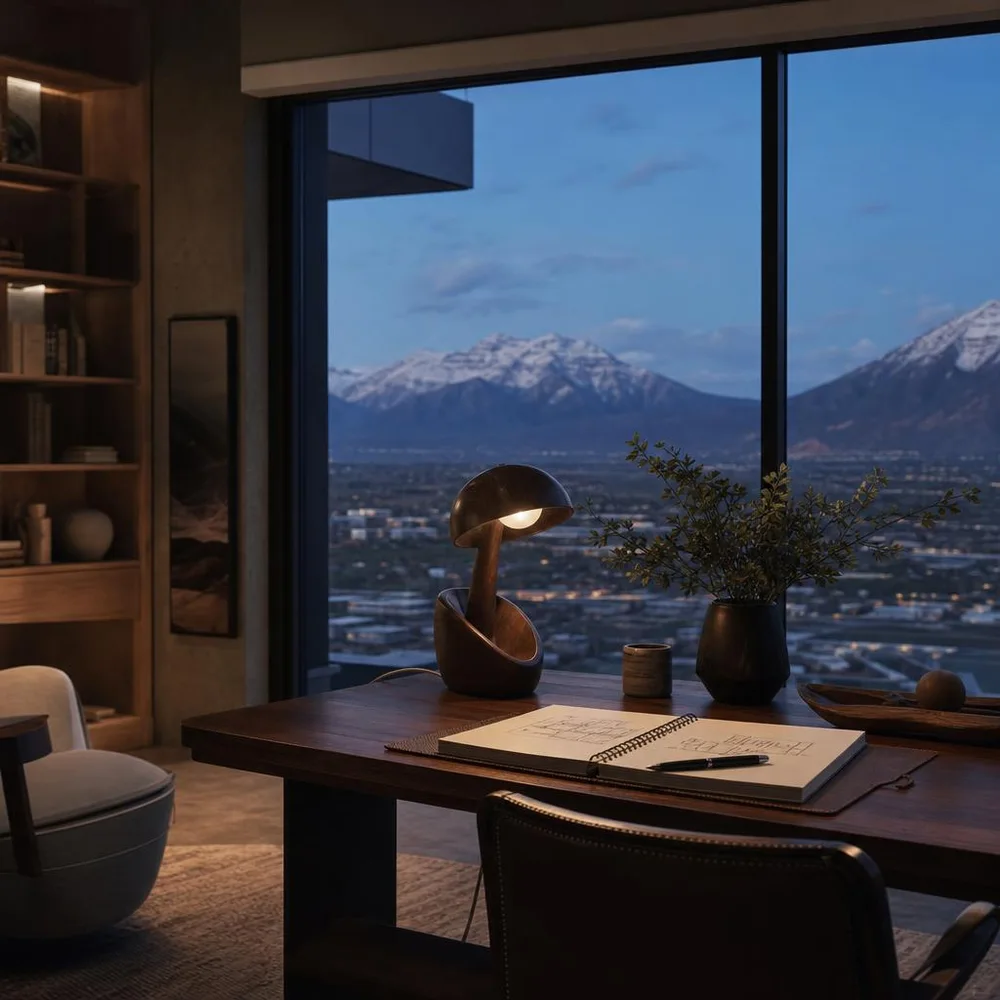
A project-based move to Provo works best when the stay is organized around a finish date that may shift, not around a vague idea of “about a month.” If you are coming for a redevelopment sprint, a campus-adjacent assignment, a field implementation, or a temporary relocation tied to a contract, the right furnished stay has to do more than offer a bed. It needs a usable desk, a practical route to where you will actually be working, and enough flexibility to handle a late delivery, a delayed approval, or a new handoff date without turning the last week into a scramble. is built for calendar-month and longer furnished stays, so the key question is not whether a place is available for a quick night or two, but whether the agreement fits the real shape of a month-plus assignment in Provo.
 is built for calendar-month and longer furnished stays, so the key question is not whether a place is available for a quick night or two, but whether the agreement fits the real shape of a month-plus assignment in Provo.
Project timing in Provo starts with the finish date
The most common planning mistake is to anchor the stay to the start date and treat the end date as fixed from day one. Project work in Provo often moves in stages: kickoff, setup, execution, review, and closeout. That means the date you think you will leave can change. A furnished rental should be approached as a written-term arrangement with a start date, an end date, and a clear process for extending if the project runs long. February can be a full month, and a calendar month may be the cleanest way to match billing and occupancy. But a calendar month is not the same thing as “30 days,” and exact start and end dates matter. If your project begins on the 10th and the handoff slips to the 12th of the next month, that difference should be handled in the agreement rather than assumed.
In Provo, that timing question also affects whether you want to stay closer to downtown, near the university area, or on the edges where access to US-89, I-15, or State Street may feel more practical for your route. A central location can reduce the friction of errands and short local trips, while a more peripheral location may fit a commute pattern better if your work is along the freeway corridor or in a neighboring city. The right answer depends on where your project is happening, not on a generic preference for one part of the city.
Desk quality matters more than decor
For a project stay, the desk is not a nice extra; it is part of the working infrastructure. A dedicated workspace should be evaluated the same way you would evaluate lighting, internet access, or a meeting room booking. Ask whether the desk is a real working surface or simply a decorative table with limited legroom. Check whether the chair is intended for long use, whether the room has enough outlet access, and whether the setup gives you a place to spread out materials without converting the dining table into an office every evening.
In Provo, many furnished stays will be asked to serve both living and working functions. That makes the layout especially important. A one-bedroom with a genuinely separate desk may be more useful than a larger-looking space that has no clear working zone. If you anticipate remote calls, review sessions, or document work, ask whether the apartment has a door that closes, whether the desk faces a wall or a window, and whether the bedroom or living room is the quietest spot at the likely times you will need it. These are not luxury questions. They are the difference between a stay that supports the assignment and one that quietly drains time.
A helpful comparison is the short-stay hotel alternative. A hotel can be useful for a very brief arrival window, but hotels usually do not provide the same project-oriented workspace, kitchen routine, or settled rhythm that a month-long furnished rental can offer. If your work depends on consecutive weeks of a stable routine, a furnished stay is usually the more coherent option; if your dates are still highly unsettled and you only need a few nights to bridge a gap, the comparison may point elsewhere. is for monthly furnished stays, not for nightly booking decisions.
Commute verification should be route-based, not map-based
Commute verification in Provo is most useful when you test the exact route you expect to use, not just the straight-line distance. A location that looks close on a map may not be the easiest choice if your project site requires crossing a busy corridor, timing your arrival around traffic peaks, or making repeated stops along the way. Before committing to a furnished rental, identify the specific addresses or areas you will travel to most often and check the route logic at the times you expect to use it. That includes whether you will drive, bike, walk, or combine transit with another mode.
Provo has several geography cues that matter here. The city sits along the Wasatch Front with mountain edges to the east and major travel corridors running north-south through the valley. If your assignment pulls you toward downtown, the university area, or points along University Parkway, your route needs may differ from someone commuting toward Orem or other nearby work sites. A rental on a quiet side street can still be convenient if it connects well to your route; a place that seems central can still be awkward if every trip requires a complicated turn sequence or frequent congestion. Verification should focus on the actual daily pattern, not on an abstract sense of “close enough.”
- Identify the primary work destination and any secondary stops you will make weekly.
- Check the morning and evening route separately, since the best path may differ by time of day.
- Confirm parking, bike storage, or transit access only if your stay depends on it; do not assume it.
- Ask whether the property has any access quirks, loading issues, or arrival instructions that affect the first week.
The changing finish date needs written flexibility
A project stay can end cleanly only if the extension question is settled before it becomes urgent. That means the agreement should explain whether an extension is possible, how far in advance you need to request it, and what happens if the schedule changes unexpectedly. A practical furnished rental plan in Provo should not rely on verbal optimism. It should state the actual dates, the method for approving a change, and the notice window for departure or extension. If your project is likely to drift by a few days, build that possibility into the conversation at the outset instead of hoping to negotiate under pressure later.
This is also the point where short-stay and monthly-stay expectations diverge. A nightly booking model can be useful for very temporary gaps, but it does not solve the deeper issue of project continuity. A month-long furnished rental should be evaluated for how it handles change, not just for whether it looks ready on day one. If you need flexibility, ask whether the provider can accommodate a date adjustment and what terms would apply. can help renters contact property providers for these monthly arrangements, and property owners can use list your place when they want to reach people seeking calendar-month or longer stays.
What to ask before you commit to a Provo stay
The questions below are worth asking because they reduce the chance of mid-stay confusion. They are especially useful when the stay is tied to a project deadline, a changing client timeline, or a temporary assignment that may extend.
- What are the exact start and end dates in the written agreement, and how is a date change handled?
- Is the workspace a true desk setup with a suitable chair, lighting, and outlet access?
- Which route will you use most often, and are there access details that affect it?
- What is the process for a written extension if the project runs long?
- What departure steps are expected at move-out, and are there any cleaning or key-return instructions?
If you are comparing options, the older Utah guide can be useful for broader context on furnished monthly rentals in the state. Use it to frame your questions, then verify the specifics with the provider for the exact Provo stay you are considering.
A hypothetical household example: one month, one workstation, one variable deadline
For example, a hypothetical consultant family comes to Provo for a municipal technology project that begins on the first of the month, with a projected closeout near the end of the following month. One adult needs a quiet place for conference calls and document editing; the other needs a predictable commute to a nearby site; the finish date may move if a review meeting is rescheduled. They choose a furnished one-bedroom or compact two-bedroom arrangement with a dedicated desk, not because they plan to spend more than necessary, but because the workspace keeps the project from taking over the living area. They also confirm a written extension path in case the approval process slips by several days.
In that hypothetical, the best decision is not necessarily the fanciest rental or the one closest to the mountains. It is the one that balances a real work surface, a workable route, and a clear exit process. If they expect regular local trips and moving materials, a ground-floor or easier-access setup may be worth considering. If they will mostly work from home and travel only occasionally, a quieter interior layout may matter more than immediate proximity to every destination.
An orderly exit is part of the stay, not an afterthought
A good project stay ends the way it began: with dates, instructions, and no assumptions. Build the exit into your planning from the first day. Ask what needs to be cleaned, whether linens must be placed in a certain location, how keys or access devices are returned, and whether a final walkthrough or photo confirmation is expected. If you brought project materials that expanded into the workspace, plan a packing method that restores the apartment to the condition the agreement requires. Leaving well matters because a clean departure reduces friction for everyone and keeps the option of a future stay open.
This is also where local context matters. If your project ends during a busy season, or if your move-out overlaps with another travel obligation, you do not want to be making last-minute guesses about the schedule. A written move-out checklist should be part of the agreement discussion, not something invented on departure day. If you have an overlap between housing and handoff, confirm whether the provider expects the departure at a fixed hour and whether any handover steps are needed before you leave.
A practical decision framework for Provo project stays
Use this framework when deciding whether a Provo furnished rental fits your move:
- Need fit: Does the stay support a calendar-month or longer project, with a finish date that may change?
- Work fit: Is there a dedicated desk, usable chair, and a layout that supports concentrated work?
- Route fit: Have you checked the actual commute path to the places you will visit most often?
- Date fit: Does the written agreement cover the exact start, end, and extension process?
- Exit fit: Do you know the move-out steps and can you complete them without a rushed last day?
If the answer to any of those is unclear, keep asking until it becomes concrete. That is especially important in Provo, where the value of a furnished rental often comes from how well it supports a specific project rhythm rather than from how broadly it appeals to every possible traveler. When you are ready to compare monthly stays and contact property providers, start with search monthly furnished stays and use the details you verify there to match the rental to the actual project schedule.
Make your next month feel more settled.
Related reading

Salt Lake City Winter Stays: Read the Air-Quality Alerts
Salt Lake City winter stays depend on reading inversion alerts, checking AQI patterns, and choosing stays that fit indoor-air plans and trip timing.

A relocation checklist for your temporary home
A steady, step-by-step plan for finding a place, organizing arrival and making the first few days in a new city less hectic.