Salt Lake City Winter Stays: Read the Air-Quality Alerts
Salt Lake City winter stays depend on reading inversion alerts, checking AQI patterns, and choosing stays that fit indoor-air plans and trip timing.
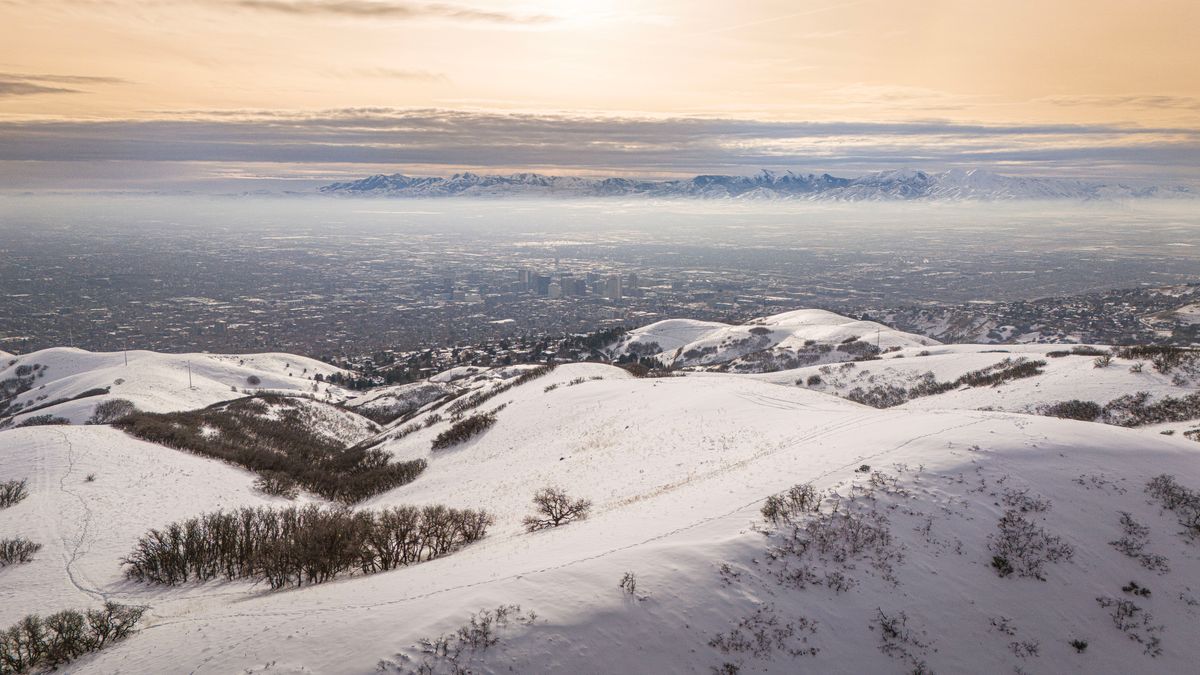
Illustrative editorial photograph · Pexels. Not a photograph of a marketplace listing.
A winter stay in Salt Lake City, Utah can turn on one practical question: if an air-quality alert appears tomorrow, is this the week you want to be there? For monthly stays, that decision matters because the city’s winter inversions can trap pollution close to the ground, and the choice is not just about comfort; it affects whether you plan more indoor time, adjust arrival dates, or choose a stay with better windows, filtration, and flexibility. Utah’s Division of Air Quality explains that during an inversion, cold air at the surface gets trapped under warmer air aloft, and a strong inversion can confine pollutants to a shallow layer, raising AQI values; the agency also says a typical Utah winter sees about five to six multi-day inversion episodes and, on average, 18 days with high PM 2.5 levels above the national standard. Those facts do not tell you exactly what your stay will feel like, but they do tell you that air-quality alerts are a normal planning variable, not a rare emergency. You can browse monthly stays in Salt Lake City on Month ’n’ More while you compare neighborhoods and dates, but the key filter for winter is whether the place lets you manage an alert day rather than just endure it.
What an air-quality alert changes in a monthly stay
An alert changes the rhythm of the stay more than the destination. If you are in Salt Lake City for a month, you may be deciding between a home office day indoors, a client visit across town, or a ski-adjacent weekend that depends on clear enough air for your plans. The useful question is not “Is the air bad?” but “What happens here when the air turns bad?” A one-night hotel can absorb a bad-air day with a lobby and a meal out; a monthly stay needs a better setup. Ask yourself whether you can keep sleeping, working, and cooking in the same space when the alert stretches over several days. That is especially relevant because the state’s inversion page notes that winter inversions are a recurring pattern, not a one-off event. For the reader, this means an alert is a planning signal: if you know a stay will overlap an inversion-prone period, you should factor in indoor comfort and schedule slack before you commit dates.
Use a simple decision framework before you request contact
Think in three parts: timing, indoor environment, and trip flexibility. First, timing: check whether your exact stay dates fall into the months when inversions are most likely, and look at the air-quality forecast for the days surrounding arrival and departure. Second, indoor environment: if you are considering a monthly stay, ask what you can observe or confirm about windows, filtration, and whether the home has a room you can use as a cleaner-air work area. Third, flexibility: decide in advance how much schedule change you can tolerate if an alert persists for several days. This framework is useful because the state’s air-quality materials make clear that inversion strength directly affects pollutant confinement and AQI, so the same location can feel very different from one week to the next. If you are evaluating options through Salt Lake City monthly stay searches, use that request to compare stays that can handle an alert day without disrupting your routine. If you own or manage a place and want to describe its winter setup more clearly, you can add it to Month ’n’ More’s listing page so monthly guests can ask the right questions before reaching out.
An example: two visitors, one alert, and one bad assumption
Example: a remote worker plans a four-week Salt Lake City stay in January and assumes the winter will be “fine most days.” A second traveler is arriving for a month of family visits and expects to be outdoors often. An air-quality alert appears for several days. The remote worker is mostly inconvenienced if the internet or workspace was not planned well, but the family visitor may be forced into repeated indoor changes of plan. The difference is not the alert itself; it is the fit between the stay and the traveler’s routine. In this example, the first person needs a quieter indoor setup and the second needs more flexibility in local transportation and errands. Neither should assume that being close to the mountains alone solves the problem, because the inversion issue is about trapped air near the surface, not scenic visibility. This is why a monthly stay inquiry should include specific questions about how the home behaves when doors and windows stay closed for multiple days.
Questions to ask before you contact the owner
Make your questions concrete and tied to air-quality alerts, not vague comfort claims. Ask: Can the main sleeping area be separated from cooking odors and entryway traffic during a closed-window period? Is there a dedicated workspace away from the kitchen if you need to stay indoors during an alert? How many windows can be opened safely for short ventilation breaks, and are there screens in place? What is the home’s usual approach to winter indoor air management, and can the owner describe it without making promises they cannot verify? If you have a sensitive routine, ask whether the place tends to be quieter for early-morning work when the air forecast is poor. These questions help you decide whether the stay can support a few high-AQI days without disrupting sleep or work. They also help you separate a genuinely winter-ready monthly stay from one that merely looks appealing in photos.
What to record from each listing or conversation
When you compare possible stays, keep a short note for each one: exact dates, address area, whether you can reach the main room without crossing shared indoor spaces, what windows are present, whether there is a separate workspace, and what the owner said about winter routines. The point is not to make assumptions about ventilation or filtration; it is to know what was stated, what was visible, and what still needs follow-up. Also note whether the stay’s monthly terms would let you adjust if an alert overlaps your arrival or departure week. Because calendars are exact-date agreements, that date detail matters more than a generic month label. If you later compare homes through Month ’n’ More, this record lets you ask sharper follow-up questions and avoid re-litigating the basics with every new contact.
Local facts that should shape your winter plan
The Utah Division of Air Quality says a strong inversion can confine pollutants to a shallow layer and raise AQI values, while a weak inversion allows lower values; for you, that means a “good” Salt Lake City winter stay is not only about location but about how the home works when outside air quality drops. The agency also reports about five to six multi-day inversion episodes in a typical Utah winter; that means a short trip can still collide with a multi-day alert, so you should not assume it will clear overnight. And the agency notes about 18 winter days on average with high PM 2.5 levels exceeding the national standard, which is enough to justify asking practical questions before you request a monthly stay rather than waiting until you arrive. You can review the state’s explanation on the Utah DEQ inversion page and the related winter inversions guidance from the same agency to understand the pattern that will matter during your stay.
A focused checklist for Salt Lake City winter stays
- Confirm your exact arrival and departure dates, then check whether they overlap with the winter period when inversions are common.
- Ask the owner what spaces you can use if windows stay closed for several days.
- Ask whether there is a separate area for work, meals, and sleep so one alert day does not disrupt the whole stay.
- Write down the precise wording used about indoor-air routines; do not assume it means more than was said.
- Check whether you would need to depend on outdoor walking for daily errands during an alert period.
- Compare how the home would function on a day when you should keep time outside to a minimum.
- Keep the DEQ inversion pages handy so you can interpret alert severity rather than guessing from headlines.
How to use alerts without overreacting to them
An alert is not a reason to cancel every winter plan in Salt Lake City, but it is a reason to plan the stay around indoor resilience. That means choosing dates with a little slack, asking better questions before you contact an owner, and treating air-quality alerts as part of the monthly-rental workflow instead of a surprise. If your stay is mainly for remote work or family visits, the most useful signal is whether the home still functions when you stay inside for longer stretches. If you are a host, making the winter setup clear can help the right monthly guest reach out with realistic expectations. In either case, the decision is less about fear and more about fit: does this exact stay work on the days when the air is still, cold, and trapped? That is the question Salt Lake City winter travelers should ask before they commit to the calendar.
Make your next month feel more settled.
Related reading

Questions to ask before choosing a stay
The useful questions that bring a listing to life, from included costs and furnishings to arrival, internet and the small details of daily living.

Furnished monthly rentals, explained
A clear starting point for understanding what a furnished monthly stay is, what it may include and how to decide if it fits your plans.

Furnishing essentials for monthly stays
A people-first guide to preparing a furnished home: focus on comfort, useful basics and clear expectations instead of filling every shelf.