Portland, Maine, Extended Stays Without a Full Kitchen
How to judge a Portland, Maine furnished room or studio with limited cooking: appliances, groceries, storage, and true monthly costs versus eating out.
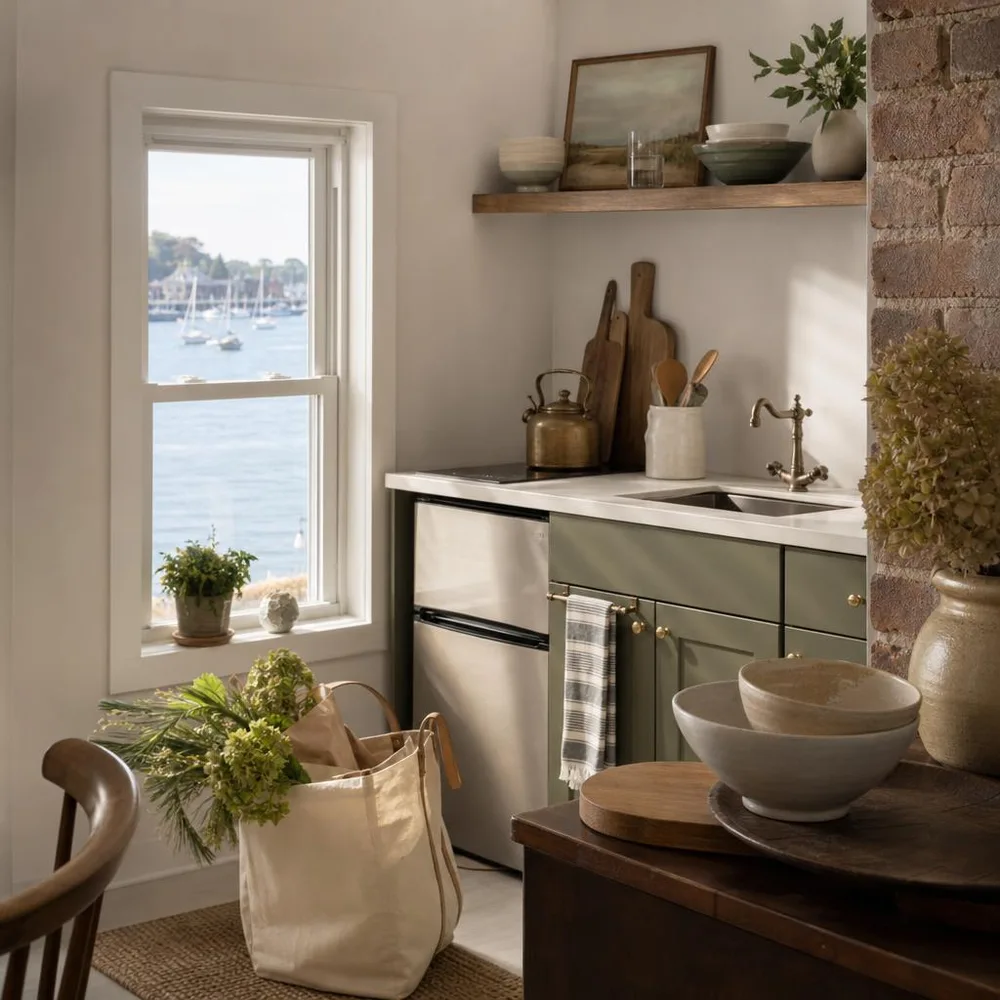
A Portland, Maine extended stay with no full kitchen can work well if the room or studio is set up for repeatable meals instead of restaurant dependence. The main question is not whether you can cook everything you like. It is whether the space, storage, and nearby grocery routine let you live there for a calendar month or longer without hidden friction that erodes the value of the stay. That distinction matters on , which is for furnished monthly stays and contact with property providers, not nightly booking. If you are comparing options, a hotel or short-stay suite may solve a very different problem than a month-long furnished room with a microwave, mini-fridge, or two-burner setup.
 , which is for furnished monthly stays and contact with property providers, not nightly booking. If you are comparing options, a hotel or short-stay suite may solve a very different problem than a month-long furnished room with a microwave, mini-fridge, or two-burner setup.
What a limited-kitchen Portland stay usually needs to do
In Portland, the practical test is whether the kitchenette supports a rhythm of breakfast, lunch, and simple dinners without forcing constant takeout. A limited-cooking setup can be enough if it includes at least a reliable refrigerator, a way to reheat or simmer, a sink that is easy to use, and counter space that makes food prep realistic. The difference between a microwave-and-mini-fridge room and a studio with a small stove top or compact oven is not cosmetic; it changes what groceries you can buy, how often you need to shop, and how much food waste you are likely to create. If you are staying near downtown, the East End, the West End, or along peninsula-adjacent neighborhoods, convenience may be strong, but the room itself still has to carry the load on ordinary weekdays.
A useful way to think about it is: will this space let you store enough food for several days, prepare a few repeated meals, and clean up without improvising every time? If the answer is only barely yes, the monthly rate may still be sensible, but only if you accept the extra effort. If the answer is no, the location may be attractive but the total monthly experience will likely feel more expensive than it first appears.
Appliances that change the monthly experience
A limited kitchen is not one thing. Two furnished rooms can look similar online and feel completely different in use. The appliance mix is where the difference shows up most clearly.
- Microwave only: good for reheating, simple grain bowls, oatmeal, and pre-cooked food, but weak for varied meal planning.
- Mini-fridge with freezer compartment: useful for drinks and a few perishables, though frozen storage may be too small for batch cooking.
- Compact refrigerator and separate freezer: better for a monthly stay because you can keep more proteins, vegetables, and backups on hand.
- Hot plate, induction burner, or two-burner cooktop: expands meal options significantly, but you should ask about cookware compatibility and ventilation.
- Toaster oven or countertop oven: helpful for roasted vegetables, sandwiches, and baked leftovers, provided counter space and outlets are adequate.
- Dishwasher is less important than sink access and drying space when the kitchen is small; a good dish-drying setup often matters more day to day.
When you ask about appliances, ask about function, not just presence. Does the refrigerator actually fit a week of groceries? Is there a freezer tray, and if so, how usable is it? Is there a place to store pantry goods away from heat and moisture? In a humid coastal city like Portland, food storage details matter more than a casual glance at the room might suggest.
Food storage: the part people underestimate
Food storage is where many limited-kitchen stays succeed or fail. A small refrigerator can handle dairy, produce, and leftovers only if you shop with discipline. That usually means buying fewer bulky items, choosing ingredients that can be used in more than one meal, and checking whether there is any cabinet space for dry goods. If there is no real pantry, you may find that cereal, rice, pasta, canned beans, coffee, and snacks have to live in the same narrow cabinet as cooking tools. That can be manageable for one person and frustrating for two.
For Portland monthly stays, consider where groceries and staples will come from. Do you want to walk, bike, or drive for most shopping? Will you pass a market on the way from the Old Port, Back Cove, or outer neighborhoods? The geography matters because limited kitchen space makes frequent smaller trips more likely. When a room cannot support deep stockpiling, the monthly routine becomes part cooking plan and part neighborhood logistics.
A practical question to ask a provider is whether the furnishings include containers, shelves, or a cart that make storage workable. Monthlong living becomes easier when groceries have a designated home instead of living in bags on the floor or crowding the countertop.
Grocery routine in a city built for short errands
Portland can support a grocery routine built around small, repeated purchases rather than a once-a-week full stock-up. That can suit a furnished studio or room with limited cooking because you avoid overbuying perishables you cannot store. The tradeoff is time: more trips, more planning, and more attention to what you will actually eat before it spoils. If you are used to a full kitchen, the change may feel minor at first and then become more noticeable after the first busy week.
The most efficient grocery pattern for a limited kitchen is usually a mix of shelf-stable basics and a short list of fresh items. That may mean bread, yogurt, fruit, salad greens, eggs, hummus, prepared soup, rice, instant grains, sliced cheese, cooked chicken, canned tuna, and a few condiments that make repeated meals feel different. The aim is not gourmet variety; it is repeatable nutrition without waste. If your stay is a calendar month that includes February, a smaller and more frequent shopping pattern can still make sense, but you should plan around weather, walking comfort, and the effort of carrying bags back to the room.
Actual total cost: compare the whole month, not just the rent
The monthly charge on the stay is only one part of the cost. If the kitchen is limited, the real total includes groceries, occasional takeout, extra beverages, disposable or reusable food containers, and possibly the higher cost of convenience foods that replace full meal prep. A room with a lower monthly rate can become less attractive if you end up buying more prepared food than expected. By contrast, a slightly higher monthly rate may be easier to live with if it has better refrigeration, more usable counter space, or a cooktop that cuts restaurant dependence.
For example, a hypothetical household might be a traveling professional and one partner staying in Portland for a month while renovations finish at home. If the furnished studio has only a microwave and mini-fridge, they may need to budget for more prepared food, more frequent grocery trips, and a greater need to eat soon after shopping. If the same stay includes a real compact refrigerator, a stovetop, and enough storage for staples, they can buy groceries in a more normal pattern and cook simple dinners most nights. The difference is not abstract; it affects how much of the month feels easy versus improvised.
When comparing monthly furnished options on , use the search page to sort by stay type and features, then ask the property provider how the kitchenette is actually equipped: search monthly furnished stays. If you are a property owner with a room or studio that works for longer stays, especially one designed for guests who cook lightly rather than fully, you can describe that setup directly here: list your place.
Hotel, suite, or monthly furnished room? A decision framework
Use this framework when deciding whether a Portland furnished room without a full kitchen is the right fit.
- Choose a hotel or short-stay suite if you only need a few nights, do not want to manage groceries, or prefer daily services over self-catering.
- Choose a monthly furnished room or studio if you want a calendar-month stay, can handle limited meal prep, and value a neighborhood feel over hotel routine.
- Choose a fuller kitchen setup if you expect to cook most of your meals, dislike frequent grocery trips, or need to store several days of food at once.
- Choose the smaller kitchenette if your meals are simple, your schedule is stable, and the tradeoff of less cooking space is offset by location or furnishings.
- Reconsider the stay if you cannot explain where groceries will go, how leftovers will be stored, and what a normal weekday meal will look like.
The key decision is not whether the space is attractive. It is whether the kitchen limitations match your habits. Some people are comfortable with a light-cooking month because they eat simply and spend more time outside the room. Others discover that a missing oven or cramped fridge creates daily annoyance. The right answer depends on your actual routines, not on a general idea of what sounds efficient.
Arrival and agreement checklist for a monthlong stay
Before you agree to a Portland extended stay with limited cooking facilities, use a checklist that focuses on the practical details of the month rather than the photos.
- Confirm the exact start and end dates of the stay, and whether any extension would require a new agreement or written approval.
- Ask what appliances are included and whether they are full-size, compact, or countertop units.
- Check refrigerator and freezer capacity in plain terms: what fits, what does not, and whether there is a separate freezer space.
- Ask about cookware, utensils, dishes, and food storage containers so you know what you must bring or buy.
- Confirm whether there is a sink, a dish-drying area, and enough counter space for simple food prep.
- Ask how trash, recycling, and food disposal are handled in the unit or building.
- Clarify what utilities or services are included in the agreement and what, if anything, is separate.
- Confirm the internet setup only if your work or stay depends on it, but do not assume it is part of the kitchen package.
- Ask whether the property is better suited to one person or two when meals are prepared in the unit.
- Before arrival, map out where you will shop for groceries and how you will carry them back to the unit.
For Portland specifically, it helps to arrive with a first-week food plan. Bring or buy a short list of staples that fit the storage available, then adjust after you see the actual cabinet space and refrigerator layout. That first adjustment can reveal whether the stay is comfortably self-contained or only barely workable.
A better older guide to read alongside this one
If you want a broader Maine monthly-rental context after focusing on Portland’s limited-kitchen question, this older guide may help you compare how furnished monthly stays are framed across the state: Furnished Monthly Rentals in Maine. Use it to compare stay types and then return to this article’s narrower question: whether a Portland room or studio without a full kitchen still supports the way you actually eat, shop, and live for a calendar month or longer.
Make your next month feel more settled.
Related reading
A Maine Winter Rental: Heating and Backup Plans
How to evaluate a Maine winter rental in Portland or Bangor for heat reliability, outage readiness, and backup planning before you commit.

A relocation checklist for your temporary home
A steady, step-by-step plan for finding a place, organizing arrival and making the first few days in a new city less hectic.