Wyoming Arrival Days: Leave Room for Road Closures
Plan Wyoming monthly-stay arrivals around road closures, using WYDOT 511, closure reports, and a city-specific arrival window checklist.
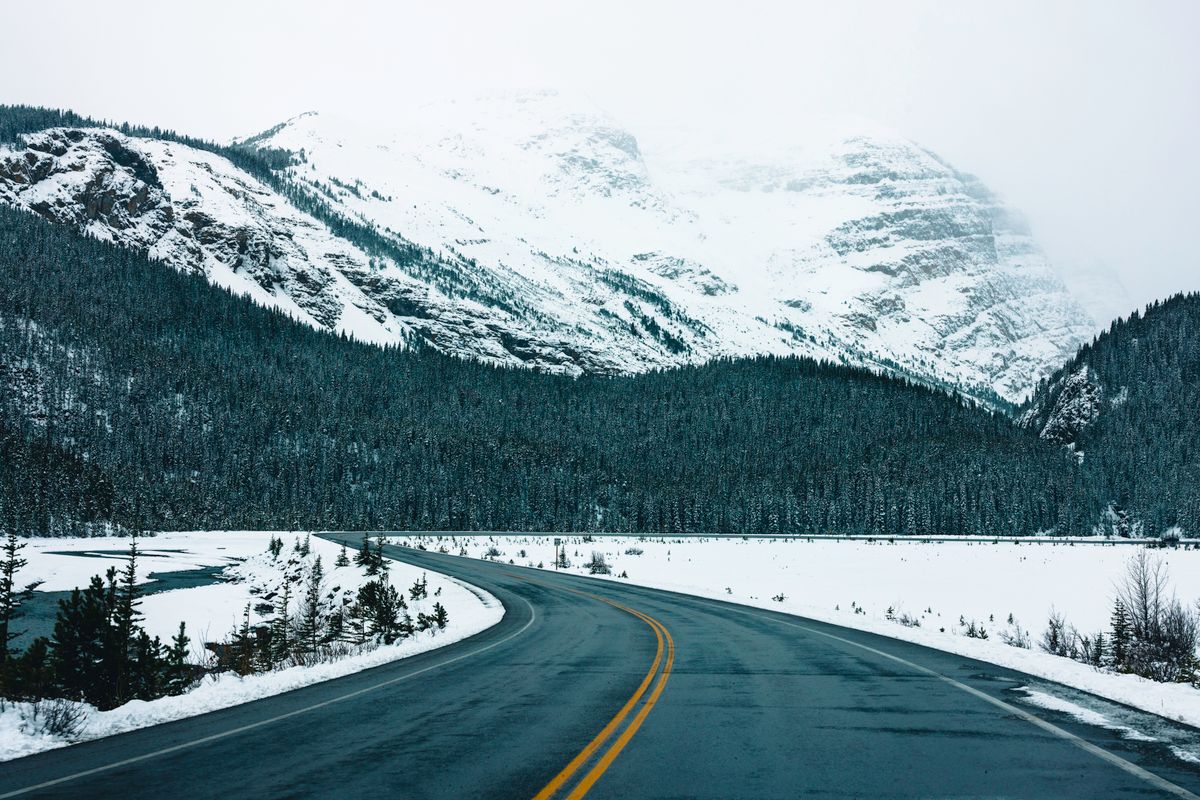
Illustrative editorial photograph · Pexels. Not a photograph of a marketplace listing.
If you are arranging a monthly stay in Cheyenne, Wyoming, the first decision is not which apartment looks best but how much arrival slack you need if a road closes the day you drive in. In Wyoming, a winter or wind closure can turn a simple move-in into a late-night reroute, so the arrival date should be chosen as carefully as the place itself. The practical question is whether you can afford to lose half a day, a full day, or more before you meet the owner, pick up keys, and unload. For planning examples, not real listings, think of a traveler whose car reaches the outskirts of Cheyenne on a day when nearby interstate travel is restricted; the issue is not the monthly stay itself, but whether the arrival plan survives a closure, detour, or weather-driven delay. If you are still comparing options, search monthly stays in Wyoming on Month’n More and, if you have a place to offer, list it for monthly guests here.
Why arrival day matters more in Wyoming than in a simple point-to-point move
The assignment here is narrow: choose an arrival day that leaves room for closure risk. In Wyoming, that means treating the travel day as part of the rental decision, not a separate errand. WYDOT’s own 511 page tells motorists to “know before you go” and points them to current conditions and road closures through its 511 Road and Travel Information system, plus web cameras for a live look at conditions 511 Travel and Information. That matters because you are not just checking whether a city address is available; you are checking whether the route to that address is open enough to keep your arrival workable. A monthly stay near Cheyenne is different from a weekend hotel stop: if you arrive late, the missed time can affect check-in coordination, grocery runs, and any first-day responsibilities you planned around the move.
The local facts that should shape your plan
Three Wyoming-specific facts should change how you choose your arrival date. First, WYDOT says its 511 information includes current road closures and web cameras, which means the official pre-trip check is not optional if your route crosses open country or mountain passes 511 Travel and Information. Second, WYDOT’s road-and-travel page says its 511 system covers “closures, restrictions and advisory information, including weight based wind closures,” along with current conditions by district, route, or city/town Road & Travel Information. That phrase is important for arrival planning because it tells you closures can be tied to wind and vehicle type, not only snow. Third, WYDOT’s closure-data page says monthly road closure information is compiled for each department-maintained route, while also noting that “commuter hours” include weekends and that the data does not include ramp closures or lane restrictions due to construction Road closure data. In other words, a historic closure pattern can help you choose a safer arrival window, but it is not a substitute for checking live conditions on the exact day you travel.
A worked example: choosing between an early and late arrival window
Example: you are booking a one-month stay in Cheyenne and can either arrive Friday afternoon or Saturday morning. The place itself is already narrowed down, but your concern is whether closure risk could strand you outside town or push you into a rushed check-in. The better choice depends on how much daylight, reserve fuel, and schedule flexibility you have, but the main principle is to avoid an arrival slot that leaves you no alternate route if a closure appears. If your route is exposed to wind or winter restrictions, Friday afternoon might be worse than Saturday morning if you cannot easily reschedule the handoff. On the other hand, if a storm is forecast to intensify overnight, a Friday daytime arrival may be safer than waiting. The key is not guessing; it is building a decision around live closure information from WYDOT and the route you actually plan to drive, not a generic map of Wyoming.
How to use WYDOT information without overreading it
Start with the live 511 page, then use the camera and route tools to see whether the problem is a full closure, a restriction, or simply poor surface conditions 511 Travel and Information. Then compare that live picture with the road-closure data archive, which WYDOT says can be requested for specific winter storm periods and is organized by department-maintained route Road closure data. That archive is useful for pattern recognition: if a route often experiences closures during certain storm periods, you may want to shift your arrival earlier in the day or build in an extra night before move-in tasks. But do not treat historical closure reports as a promise about current access. They help you understand exposure; they do not tell you whether the road will be open when you arrive.
Questions to ask before you finalize the arrival date
When you contact the owner about a monthly stay, ask questions that relate directly to closure risk and arrival handling. Is there a preferred arrival window if weather changes? If the route closes unexpectedly, who should you notify first? What is the backup plan for a late arrival caused by a detour? Can the handoff be adjusted by a few hours if you must reroute? These are better questions than asking only whether the place is available on your preferred dates, because the whole point is to protect the arrival from a road closure. If you are still browsing, Month’n More can help you compare monthly-stay options before you commit to the trip plan, and if you host in a Wyoming city, adding your place there helps travelers contact you before they set the route.
A decision framework for arrival day
Use a simple three-part filter. First, route exposure: does your path rely on roads that are more likely to face wind closures, winter restrictions, or seasonal delays? Second, arrival flexibility: can you shift the date by a half-day or a full day without disrupting the stay? Third, handoff sensitivity: does the move-in require a narrow pickup time, or can you arrive safely outside that window? If the answer to the first question is yes and the second is no, choose the most conservative arrival day you can. If the answer to the third question is yes, you should leave even more buffer, because a closure that only slows you down becomes a bigger problem when someone must meet you at a specific time. This framework turns an abstract concern about Wyoming closures into a concrete scheduling choice.
Actionable arrival checklist for a Wyoming monthly stay
- Check WYDOT 511 on the day before travel and again before departure, using the official live road and travel page for closures and cameras.
- Review the route-specific closure history on WYDOT’s road closure data page if your trip crosses areas where winter storms or wind are recurring concerns.
- Match your arrival time to daylight and margin for detours rather than to the earliest possible check-in moment.
- Confirm with the owner how to communicate if your arrival is delayed by a closure, and ask for a backup meeting window.
- Keep the route plan simple enough that a closure can be answered with a detour, not a complete change of lodging.
- Save the official 511 and road-information links on your phone, since WYDOT notes that the app and phone access can provide travel information en route and by phone through 5-1-1.
What this means for your search in Wyoming cities
The city you choose still matters, but for this article the main point is that arrival planning should happen before you finalize the monthly stay. A traveler headed to Cheyenne, Casper, or another Wyoming city can use the same workflow: examine route exposure, check live 511 conditions, review historical closure patterns where useful, and leave enough time to adapt if a closure appears. That is why the search step and the arrival step belong together. If you begin with the route rather than the rent, you are more likely to reach the monthly stay calmly, with time to settle in instead of scrambling after a road closure. If the situation changes, use the official WYDOT sources rather than assuming the road will behave the same way it did yesterday; and if you need to keep comparing options while watching the route, return to Month’n More’s search page rather than locking yourself into a property that does not fit your arrival window.
Make your next month feel more settled.
Related reading

Questions to ask before choosing a stay
The useful questions that bring a listing to life, from included costs and furnishings to arrival, internet and the small details of daily living.

Furnished monthly rentals, explained
A clear starting point for understanding what a furnished monthly stay is, what it may include and how to decide if it fits your plans.

Furnishing essentials for monthly stays
A people-first guide to preparing a furnished home: focus on comfort, useful basics and clear expectations instead of filling every shelf.