Morgantown Hill Roads: Inspect the Actual Approach
How to judge a Morgantown monthly stay by the driveway, hill grade, turning room, and arrival route before you contact an owner.
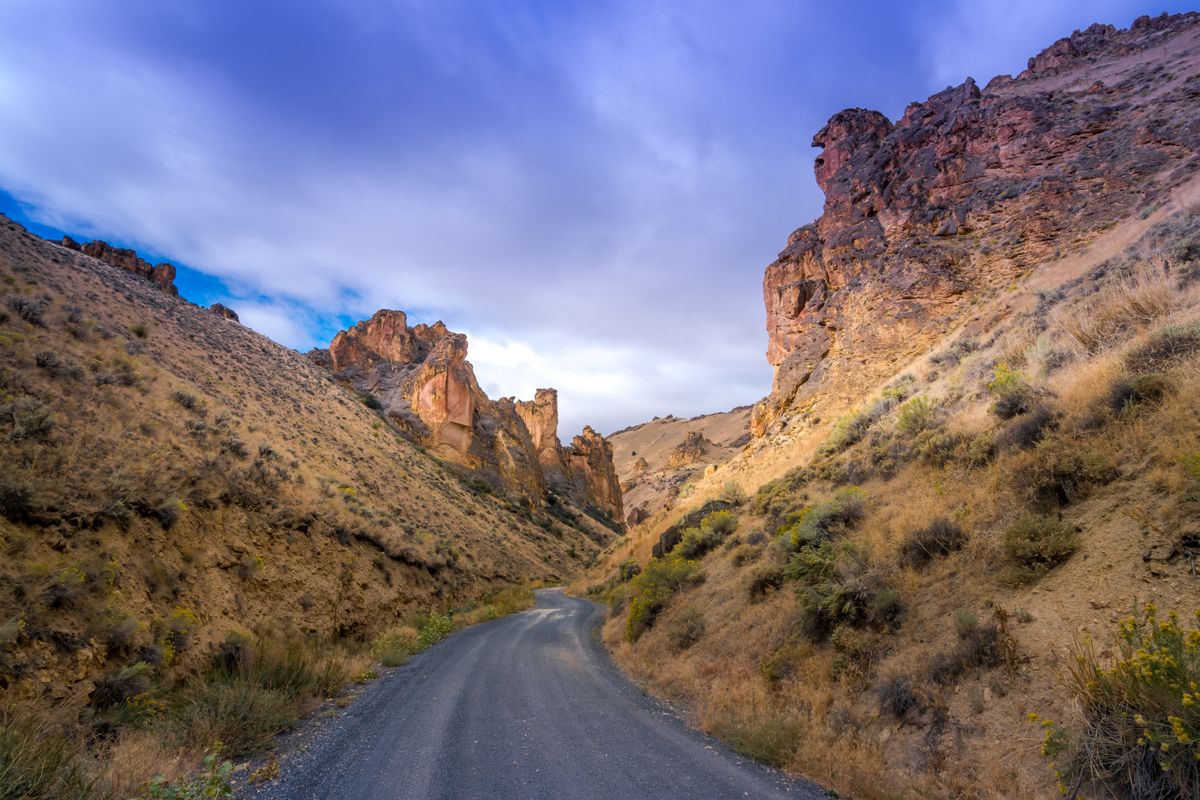
Illustrative editorial photograph · Pexels. Not a photograph of a marketplace listing.
In Morgantown, West Virginia, the real decision is often not the apartment itself but the hill, the driveway, and the approach to it. A monthly stay can look fine in photos and still become a daily hassle if the last stretch is steep, narrow, icy, poorly lit, or awkward for repeated arrivals with groceries, luggage, and work gear. Before you contact an owner, decide whether the actual approach matches how you live, drive, and unload, because a good interior can be undone by a bad arrival.
Why the last stretch matters more than the listing photos
A monthly renter in Morgantown usually needs the driveway to work many times, not just once. That means the question is not only whether a car can reach the place, but whether you can repeat that trip in the dark, in rain, after snow, or with tired passengers. If the listing sits on a hill, ask yourself what the approach feels like from the street: is it a straight grade, a sharp turn, a shared lane, a short climb, or a long winding pull? Those details change how stressful the stay will be and whether you will need different tires, extra time, or a different parking routine. For a marketplace browse, you can start your search on Month'n More's Morgantown results and use the approach questions below before messaging anyone.
A concrete example: when the driveway changes the whole monthly plan
Example: A traveling nurse wants a six-week stay in Morgantown and prefers a quiet house over a downtown building. The interior looks ideal, but the photos show the house above the road on a narrow hill with a gravel drive and no clear turn-around. During daylight it seems manageable, but the nurse starts the conversation by asking how steep the driveway is, whether guests back out onto the street, and whether snow or runoff ever affects the approach. That small check can change the decision from “looks great” to “not workable for my schedule.” The same property might be fine for someone who arrives once a week and never hauls equipment, but not for someone who drives in and out several times a day.
Three local facts that shape your approach questions
First, Morgantown’s own website points residents and visitors to a [311 app or web portal for general concerns](http://www.morgantownwv.gov/1/Home). That tells you two practical things: city services are organized around reporting issues, and if the approach to a monthly stay raises a city-side concern such as a blocked public area or an obvious nuisance, there is an official channel to ask about it. It does not tell you that a specific driveway is your responsibility or the city’s; it tells you to separate private access questions from public complaint channels.
Second, the city’s official homepage is a government portal with departments, residents and visitors, business, and how-do-I sections on one site, which is a reminder that Morgantown decisions often cross multiple offices and rules, not just a rental page. If you need to understand a street condition, right-of-way issue, or city process tied to access, start at the official [Morgantown website](http://www.morgantownwv.gov/) rather than relying on a listing description. For a monthly guest, that means the safest move is to verify any access-related question at the source that actually manages the road or public-facing service.
Third, the West Virginia Department of Transportation’s Division of Highways resources page identifies itself as official state highway information and includes a disclaimer that the information is for general informational purposes only and does not constitute legal advice. For a renter, that matters because it draws a line between general roadway information and a decision about whether a particular hill driveway works for your stay. If a route involves a state-maintained road or a condition that affects approach planning, the official highway resource is more appropriate than guessing from a map pin or a photo angle.
A decision framework for Morgantown hill access
Use a simple three-part test: approach, arrival, and repeatability. Approach asks how you get from the nearest practical road to the parking spot. Arrival asks whether the first visit is easy enough with your vehicle, your luggage, and your schedule. Repeatability asks whether that same route still feels acceptable after ten late returns, one grocery run, and a wet week. In Morgantown, the hill itself often matters as much as distance, so a place that is close on the map may still be a poor fit if the driveway angle or street turn makes each entrance and exit slow. When you message an owner, make the question about routine, not curiosity: “Can you describe the driveway and the typical approach from the street for an everyday car?”
If you drive a longer vehicle, carry work tools, or expect multiple in-and-out trips each day, downgrade anything that sounds like a blind corner, a steep climb, a narrow lane, or a shared access path unless the owner can clearly explain how guests use it. If you plan to stay through colder months, ask how the approach behaves when wet, frosty, or snow-covered, but keep the question practical rather than speculative: ask what tenants usually do with parking and whether any part of the approach becomes difficult to use. The point is not to demand promises; it is to decide whether the access matches your routine.
What to inspect, record, and ask before you commit
- Ask for a plain-language description of the driveway: paved, gravel, steep, level, shared, curved, or tight. Do not settle for “easy access” without details.
- Request a photo of the route from the street to the parking spot, not only the front of the house or the interior.
- Ask where a guest actually parks and whether that spot requires backing, turning around, or walking along a hill.
- Note whether the approach appears to cross another property, a common lane, or a narrow curb cut, and ask who uses it regularly.
- Ask what the arrival looks like after dark, in rain, or when the ground is wet, because Morgantown hills can feel very different under those conditions.
- Confirm the exact dates of the stay and whether there is a daily arrival pattern that could make the driveway harder to use repeatedly.
- If street access or a nearby road condition affects the approach, check the official city or state source rather than assuming a map view is enough.
How to read the answers you get from owners
Good answers are concrete. A helpful reply says how the car gets in, where it stops, whether there is room to turn, and what part of the approach is steep or narrow. Weak answers are vague: “It’s fine,” “Most people manage,” or “No issues,” with no explanation of the actual driveway shape. If you are comparing two Morgantown options, the better one is not the property with the prettiest interior; it is the one whose approach fits your vehicle and routine with the least friction. In a monthly stay, that friction compounds fast. A driveway that is merely inconvenient on day one can become the thing you resent every evening.
When the answer still leaves you unsure, move the decision back to the route itself. Ask for a photo taken from the parking spot looking outward, because that often reveals slope, turn radius, and sight lines better than a front elevation shot. If the owner cannot explain the approach clearly, treat that as information. It may mean the access is straightforward enough to ignore, or it may mean they have never had to think through how a guest actually arrives. For a stay in Morgantown, the difference matters.
A practical checklist for the day you evaluate a listing
- Map the last block: identify the final turn, the street name, and the point where the public road becomes private access.
- Write down whether the driveway appears steep, shared, narrow, gravel, curved, or blind from the listing and your questions.
- Confirm the parking spot you would actually use for the entire stay, not just a temporary unloading place.
- Ask what a normal arrival looks like at night and in poor weather.
- Check whether the approach is realistic for the vehicle you will use most often during the stay.
- If a city-side issue seems involved, use the official Morgantown site’s 311 portal or the relevant government page rather than trying to infer responsibility from the listing.
If you are early in the search and want to reduce back-and-forth, look through Month'n More's place listing page to understand how hosts present access details, then compare that against what you need to ask on Morgantown hill properties. That helps you notice which listings describe the driveway clearly and which ones leave the approach to guesswork.
The goal in Morgantown is not to avoid every hill. It is to choose the right hill, with the right driveway, for the way you live. If you can picture the arrival in a realistic minute-by-minute way, you are closer to a workable monthly stay. If you cannot picture it, keep asking until you can, because the approach is part of the home, not an afterthought.
Make your next month feel more settled.
Related reading

Questions to ask before choosing a stay
The useful questions that bring a listing to life, from included costs and furnishings to arrival, internet and the small details of daily living.

Furnished monthly rentals, explained
A clear starting point for understanding what a furnished monthly stay is, what it may include and how to decide if it fits your plans.

Furnishing essentials for monthly stays
A people-first guide to preparing a furnished home: focus on comfort, useful basics and clear expectations instead of filling every shelf.