Austin With an EV: Check Charging Before Choosing a Stay
How to choose an Austin monthly stay for an EV by checking charging access, outlet type, parking setup, and owner questions before you compare listings.
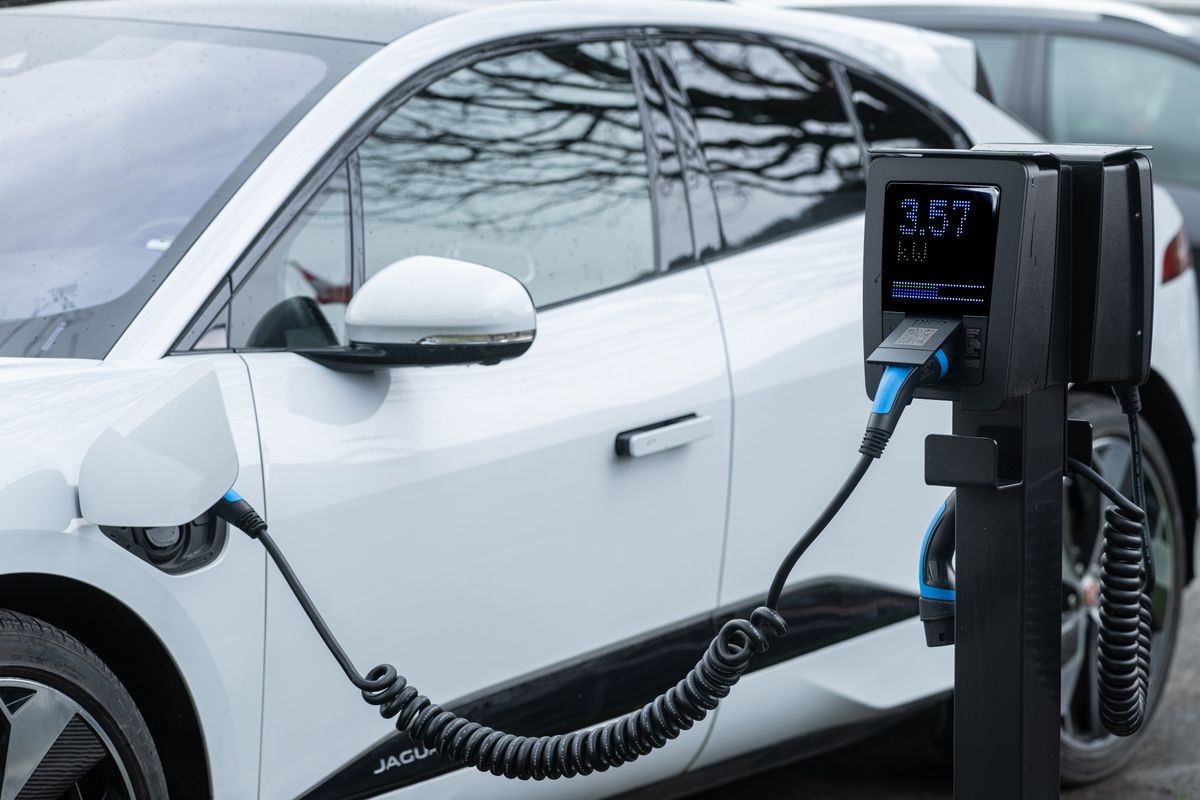
Illustrative editorial photograph · Pexels. Not a photograph of a marketplace listing.
If you are trying to choose a monthly stay in Austin, Texas with an electric vehicle, the first question is not which neighborhood sounds convenient; it is whether your vehicle can reliably charge where you will park. A place that looks workable on a map can become inconvenient fast if the parking arrangement does not match your charging habits, the outlet is inaccessible, or you have to depend on public charging every few days. Austin Energy’s own guidance makes that planning step concrete: its EV buyer’s guide points renters and owners toward charging basics, rebates, and public charging options, and its Everything Charging page notes that many electric vehicles offer charging timers; you should verify your own vehicle’s settings and that overnight charging between 10 p.m. and 6 a.m. aligns with higher renewable wind capacity. For a monthly stay, that means your real decision is less about whether a listing is in Austin and more about whether the parking and charging setup fits the way you actually use your vehicle.
Start with the vehicle, not the listing
A useful way to narrow Austin options is to begin with your vehicle’s charging needs. Do you normally rely on Level 1 charging from a regular outlet, or do you need a stronger setup to keep up with driving patterns in and around Austin? Austin Energy says EVs can be charged at home or on the go, and its materials also point to public charging stations around the city. That sounds broad, but for a monthly stay it becomes a practical filter: if you expect to drive daily and return late, a listing without dependable overnight charging may force repeated detours to public stations. If you drive lightly, a simple outlet might be enough. The point is to match the stay to your charging rhythm before you start comparing rent or style.
Example: suppose a traveler is planning a six-week work assignment in Austin and will use the vehicle for local meetings and one weekend trip. That person may be able to live with a slower home charge if the parking spot is dedicated and the vehicle can remain plugged in overnight. Another example: a driver who commutes across town and regularly leaves early in the morning may need a more predictable setup, because relying on public charging before work can turn a monthly stay into a scheduling problem. These examples are not real homes or current availability; they are ways to test whether a listing can support the vehicle you already own.
What Austin Energy’s charging guidance changes for your search
Austin Energy’s Everything Charging guidance says all electric vehicles have timers that let you pre-set when charging happens, and it recommends charging between 10 p.m. and 6 a.m. while avoiding the 4 p.m. to 7 p.m. window when the Texas grid typically has less capacity. For someone choosing a monthly stay, those details matter because they change what questions you should ask about the parking situation. If you can only charge in the evening after returning from work, you need to know whether your vehicle can remain connected overnight. If your arrival pattern is irregular, you need to know whether the parking space is assigned, whether the outlet is within reach of your cord, and whether anyone else uses that same area.
Austin Energy also notes on its EV buyer’s guide that apartment building landlords and tenants can learn about the Plug-in Austin EV Charging Station Rebate. That does not tell you that a specific property is eligible or equipped, but it does tell you that charging in multi-unit housing is an active planning issue in Austin. If you are comparing monthly stays in an apartment, condo, duplex, or garage apartment, do not assume parking equals charging. Ask whether the space is reserved, whether charging is already permitted there, and whether any existing station is shared, separately metered, or controlled by the owner or manager. The rebate reference is important because it signals that charging infrastructure may be part of the property’s setup or future planning, which affects how much confidence you can place in the parking arrangement.
Questions to ask before you commit to a stay
The best questions are specific enough to reveal whether your vehicle can charge without improvising. Ask where the car will park, whether the parking is covered or uncovered, and whether the assigned spot is the same one every night. Ask whether there is a standard outlet at the spot, whether a charging station is on the property, and whether the owner or manager allows EV charging from that location. Ask how the charge is billed if it is not included in rent, and whether there are any rules about cords crossing walkways or shared driveways. If the answer is vague, follow up until you understand the actual workflow from parking to plug-in to departure the next morning.
For a monthly stay in Austin, one more question matters: what happens when the vehicle is gone? If the parking place is not reserved, the presence of an outlet may not help if another car can take the spot. If the stay is in a larger building, ask whether other residents already use the same circuit or station. The goal is not to find every detail of the property’s electrical system; it is to find enough clarity to know whether your charging plan is realistic for the exact dates of the stay.
How to compare Austin listings by charging fit
Once you have a few Austin options, compare them using a simple decision framework. First, separate guaranteed overnight charging from hoped-for charging. A listed parking spot with permission to plug in is fundamentally different from a general promise that there is parking somewhere nearby. Second, separate on-site charging from public charging access. Austin Energy’s materials mention public charging stations around Austin, but public charging is a backup plan, not the same as charging where you sleep. Third, separate your normal driving pattern from your emergency fallback. If public charging is your fallback, note which stations are actually convenient to the stay and whether your schedule allows using them without disrupting work or evening plans.
Fourth, consider the duration exactly. Monthly stays are date-specific arrangements, not vague 30-day blocks, so a charging setup that works for one calendar span might not fit another if your schedule changes or if you arrive and depart on unusual days. Fifth, check whether the listing owner or manager has to approve charging use in advance. In a marketplace like Month n More, you can search Austin monthly stays and then contact owners directly to clarify those charging questions before making any commitment. The search step is about finding plausible matches; the conversation step is where you confirm whether the vehicle can actually fit into the parking and charging routine.
What to record during a walkthrough or message exchange
When you evaluate an Austin stay for EV use, keep a short record of facts that affect charging. Note the exact parking location, whether the vehicle is assigned to that location, the distance from the plug or station to the car, whether the outlet or station is indoors or outdoors, and whether the space is behind a gate, in a garage, or on a shared lot. Record who controls access, because a parking area that is physically suitable may still be unusable if you cannot get in after hours. If you are viewing the property in person, bring the charging cable you actually use, or at least measure whether the cord can comfortably reach from the plug to the charge port without strain.
You should also note any owner explanation about timing. Austin Energy recommends overnight charging and avoiding the late afternoon through early evening window, so if a stay seems to depend on daytime charging, treat that as a mismatch unless the rest of your schedule clearly supports it. If the owner mentions public charging nearby, write down the exact location and the backup route you would use from the property. That turns a vague promise into a usable plan.
A practical checklist before choosing
- Confirm the exact parking space you would use for the full stay dates.
- Ask whether that space has a standard outlet, a charging station, or no charging access at all.
- Verify whether the parking is assigned, shared, or first-come-first-served.
- Ask who controls access to the lot, garage, or gate after hours.
- Find out whether charging is allowed by the owner, manager, or building rules.
- Ask how charging is billed, if there is any separate cost or meter arrangement.
- Check whether your cord can safely reach the vehicle from the charging point.
- Write down your backup public charging option in case the on-site plan fails.
- Confirm that the stay dates align with your charging habits and vehicle use pattern.
Where to place charging in the broader Austin search
If charging is the deciding factor, let it shape the search rather than hoping the right parking appears later. A host or owner who understands EV needs can answer quickly about parking, access, and whether the space works for overnight charging. If a listing does not mention parking or charging at all, that is not automatically a dealbreaker, but it is a cue to ask directly before you move on. For property owners and managers who already think about EV-friendly stays, the marketplace also offers a way to list your place so monthly guests can ask the right questions up front instead of guessing after arrival.
In Austin, the strongest charging choice is usually the one that fits your exact vehicle, your exact parking arrangement, and your exact dates. Austin Energy’s guidance is useful because it turns charging into a planning issue, not an afterthought: charge overnight when possible, avoid relying on rushed evening charging, and treat multi-unit housing as a question that needs specifics rather than assumptions. If you approach the search that way, you are less likely to end up with a stay that looks fine on paper but forces you to spend your first week chasing electricity instead of living or working comfortably.
Make your next month feel more settled.
Related reading

Questions to ask before choosing a stay
The useful questions that bring a listing to life, from included costs and furnishings to arrival, internet and the small details of daily living.

Furnished monthly rentals, explained
A clear starting point for understanding what a furnished monthly stay is, what it may include and how to decide if it fits your plans.

Furnishing essentials for monthly stays
A people-first guide to preparing a furnished home: focus on comfort, useful basics and clear expectations instead of filling every shelf.