Nashville Music Stays: Agree on Practice Before Arrival
How Nashville musicians and hosts can agree on practice hours, instrument setup, and noise expectations before a monthly stay begins.
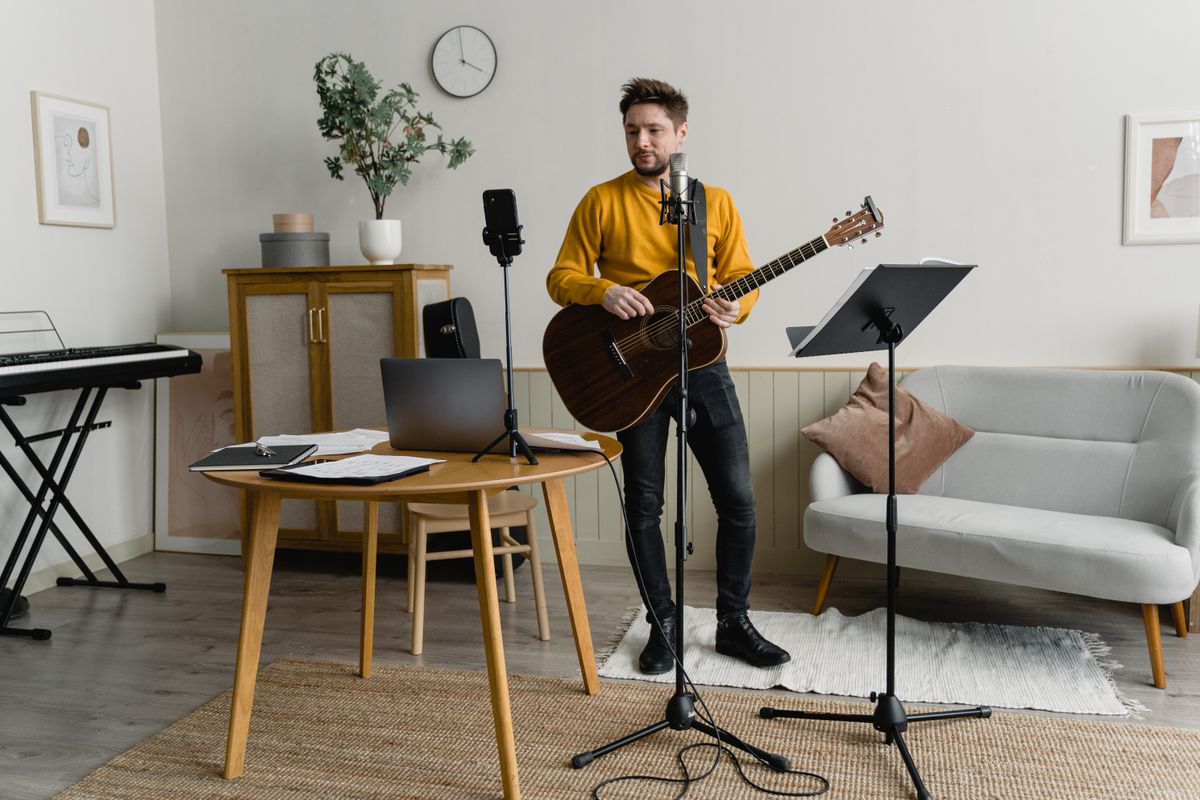
Illustrative editorial photograph · Pexels. Not a photograph of a marketplace listing.
In Nashville, Tennessee, the hardest part of a music-friendly monthly stay is often not finding a place but agreeing on practice before arrival: which instrument will be played, where it can be played, and what kind of sound the host can realistically live with. If you are arranging a stay for rehearsal work, remote songwriting, or tour prep, the conversation needs to happen early enough that the host can judge whether the space and neighborhood fit the actual practice plan. A search like monthly Nashville stays on Month’n More can help you identify places to contact, but the key decision is whether your practice routine matches the property’s noise tolerance, room layout, and any local restrictions that may affect your plans.
Start with the practice question, not the bedroom count
A useful Nashville-specific question is not “Is this close to downtown?” but “What exactly will happen during practice time?” An acoustic guitarist with light fingerstyle practice needs a very different setup than a drummer, horn player, or amplified vocalist. Before arrival, write down the instrument, whether you will use amplification, the likely hours of practice, and whether you need a standing setup, a chair, a music stand, or room for cases and cables. If you are the host, ask for that same information in plain terms so you can decide whether the space can absorb the sound and movement without becoming a conflict point. This is especially important in Nashville because the city’s rules and event rules treat live music and noise in specific ways rather than as one vague category.
What Nashville’s noise rules mean for a musician stay
One local fact that matters for planning is in Nashville’s excessive-noise ordinance. The city states that in the downtown area, sound measurement is taken “at street level fifty linear feet from the outside wall of the structure within which the noise is produced,” and that “[l]ive music is expressly exempt from the 85 Decibel limitation” in that context, with live music defined so that “musicians, instruments and singers will not be prerecorded” in Ordinance No. BL2008-306. For a person arranging practice, that does not mean “anything goes.” It means the exact type of sound, the location of the unit, and the relation to the street all matter. A trombone warm-up in a downtown-facing room, a prerecorded backing track, and an unplugged violin session may all feel very different in practice and in the way a host will experience them. The decision point is whether the agreement should limit hours, volume, or the use of amplification so expectations are not left to guesswork after arrival. A second local fact is that Nashville’s rules for small outdoor music events are more formal than many visitors expect. Under Ordinance No. BL2013-603, “small outdoor music event permits shall be valid for a period of one year from the date of issuance,” and “an annual permit is required” for a small outdoor music event on commercial property located within 1,000 feet of certain nearby property. For a monthly stay centered on practice, this matters if the plan includes outdoor rehearsal, a pop-up performance, or filming music content outside the unit. Even if your stay is primarily about private practice, you should separate “inside the room” from “anything outdoors,” because the legal and host conversations may not be the same. When the plan includes public-facing sound outdoors, ask which part of the schedule depends on permits and whether the event has been reviewed by the property owner in advance. That is a decision framework, not a legal shortcut: check the current ordinance text and the city’s official offices if your plan relies on a specific event setup.
A worked example: violin practice in a shared building
Example: a visiting violinist wants a six-week Nashville stay to prepare recital repertoire, practice three blocks of 90 minutes a day, and occasionally rehearse with a pianist. The violinist is looking at a place near downtown and wonders whether a normal apartment will work. The right first questions are not “Is the rent okay?” or “Is the building nice?” but “Is there a time window when the violin can be played,” “Can the pianist visit without creating hallway noise issues,” and “Will any amplified metronome or backing track be part of the plan?” If the answer includes a guest musician, the host may want the exact days and the likely instrument combination. If the plan includes a downtown unit, the city’s 50-foot street-level measurement rule from BL2008-306 is a reminder to think about wall placement, window exposure, and how sound travels beyond the room. The likely outcome may still be that the unit works; the point is that the decision should be made on the actual practice schedule, not on a generic “music-friendly” label.
What to ask the host before you commit
A Nashville stay for musicians works best when the questions are concrete. Ask whether the practice space is inside the unit, in a common area, or impossible after certain hours. Ask what type of instrument is acceptable, whether any amplified practice is allowed, and whether guest rehearsals are part of the agreement or excluded. Ask whether there are adjacent units, shared walls, downstairs neighbors, or street-facing windows that could make certain hours problematic. If you use pedals, a keyboard, a speaker, or a small recording interface, say so before arrival; those details can change how a host evaluates the fit. If you need an outdoor option for an event rather than private practice, the annual permit language in BL2013-603 shows why the host’s answer should cover whether the property can even support that kind of use. If your search is still broad, the list-your-place page is the relevant place for owners considering whether their property can be described accurately for this kind of guest. For a musician-centered stay, a clear listing should not just say “quiet” or “creative.” It should help the reader understand what sort of instrument practice is realistic, what rooms are involved, and where the boundaries are.
A decision framework for practice-fit in Nashville
Use a simple three-part framework before arrival. First, classify the sound: acoustic only, light amplified practice, or full rehearsal with additional musicians. Second, classify the space: isolated room, shared walls, street-facing room, or outdoor-adjacent property. Third, classify the time: daytime only, limited evening use, or flexible schedule. The more you move toward amplified sound, multiple players, or later hours, the more important it becomes to get explicit approval rather than assuming a music city will automatically be tolerant. That is the practical meaning of the downtown noise rule and the outdoor event-permit rule: they force you to separate private practice from public noise and from outdoor activity. A useful decision question is: if the host later asks, “What exactly are you planning to do here?” can you answer in one sentence with the instrument, schedule, and sound level? If not, you probably have not finished the pre-arrival conversation.
Checklist for confirming a Nashville practice stay
- Name the instrument, whether it is acoustic or amplified, and whether you will use a backing track, metronome, keyboard, or speaker.
- State the practice hours you expect to use on ordinary days and whether any sessions might run early, late, or on weekends.
- Ask whether practice is allowed only inside the unit, only in certain rooms, or not during quiet hours.
- Ask if guest musicians may rehearse there and whether more than one player can be in the space at a time.
- If outdoor sound is part of the plan, ask whether the property can support that use and whether any permit review is needed under the city’s current rules.
- Record the host’s exact wording about volume, hours, and guest use so there is no confusion after arrival.
- If you are looking for options, use Month’n More search to find monthly stays to contact, then narrow only after the practice conversation is clear.
Why these Nashville facts change the booking conversation
The point of citing local rules is not to turn a stay into a law seminar. It is to show why a musician’s fit conversation in Nashville needs to happen before arrival rather than after keys are exchanged. The downtown rule in BL2008-306 tells you sound may be judged by how it reaches the street and that live music is treated differently from prerecorded sound. The annual-permit language in BL2013-603 tells you outdoor music is not something to assume casually. And Nashville’s ordinance index notes that older ordinance listings have moved into the city’s Legislative Information Center on Nashville.gov, which is a reminder to check the city’s current official source when your plan depends on up-to-date wording. For readers planning a Nashville stay around practice, the best outcome is a calm, explicit agreement: what instrument will be used, how often, where, and under what limits. That makes the stay more workable for both sides and reduces the chance that a promising monthly arrangement turns into a noise dispute after arrival.
Make your next month feel more settled.
Related reading

Questions to ask before choosing a stay
The useful questions that bring a listing to life, from included costs and furnishings to arrival, internet and the small details of daily living.

Furnished monthly rentals, explained
A clear starting point for understanding what a furnished monthly stay is, what it may include and how to decide if it fits your plans.

Furnishing essentials for monthly stays
A people-first guide to preparing a furnished home: focus on comfort, useful basics and clear expectations instead of filling every shelf.