Charleston Owners: Keep Humid-Season Linens Ready
Charleston owners can keep humid-season linens guest-ready with a simple rotation, safe dryer habits, and a decision framework for laundry timing.
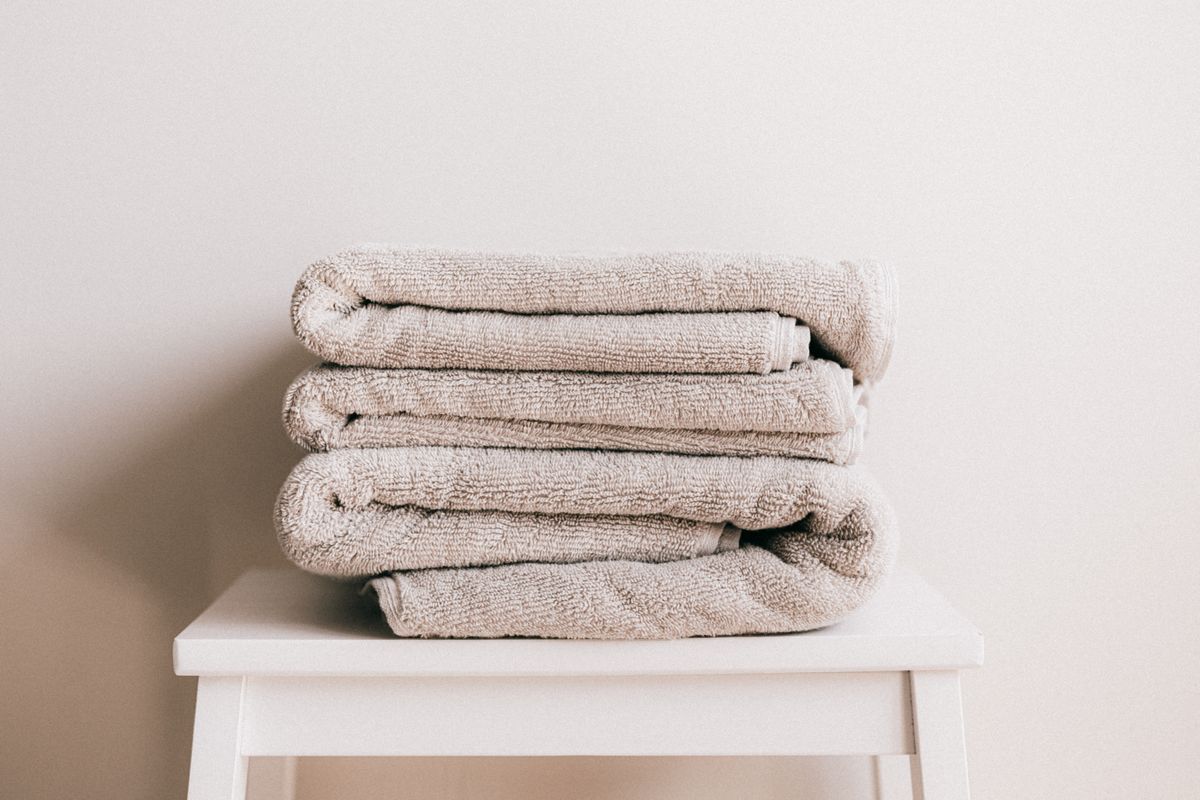
Illustrative editorial photograph · Pexels. Not a photograph of a marketplace listing.
In Charleston, South Carolina, the linen question is not abstract: if a monthly guest opens a closet and the sheets feel damp, the stay starts with a complaint. Owners who host in humid season need a plan for when to wash, where to dry, how to store, and when to outsource linens so they arrive clean without holding a musty edge. This article stays focused on that workflow for Charleston owners who manage monthly stays, whether they are listing a spare suite now on Month n' More search or preparing to offer a place through list your place.
Why humidity changes the linen plan in Charleston
Charleston’s humidity changes the math on linen turnover. In a drier market, an extra set of sheets can sit folded for weeks with little consequence. In Charleston, folded textiles that are not fully dry, not fully cooled, or stored in a closed space can keep a stale smell long after the wash cycle ends. The practical result is that owners need more than a laundry day; they need a linen rotation that assumes slower drying, longer airing time, and a storage method that protects clean fabric from reabsorbing moisture. The local climate question is not guesswork either. The EPA maintains meteorological data for a Charleston station, with daily and hourly files available in its South Carolina data set Meteorological Data - South Carolina | US EPA. For owners, that means the humidity pattern is something you can check against when deciding whether to wash the whole set today or stage two smaller loads over separate days. The station data is not a housekeeping rule by itself, but it does help you see why your linen schedule should flex around damp stretches instead of following a rigid weekly habit.
A worked example: one delayed dryer load, one unhappy arrival
Example: an owner has a one-bedroom monthly rental in Charleston and stores three full bedding sets in a hall closet. A guest is due on the first of the month, but the last set came out of the dryer late in the evening and was folded before it was fully cool. By the next afternoon, the closet smells faintly of laundry soap mixed with a basement note. The owner notices the sheets are technically clean, but the guest will still experience them as unprepared. The fix is not just “wash more often.” It is a three-part decision: first, make sure each set is completely dry before folding; second, let it cool and air briefly before storage; third, keep one backup set outside the closet so there is a buffer if humidity slows the cycle. This example matters because the problem is often not dirt but moisture retention. In Charleston, a clean towel that still holds trapped humidity can make the whole unit feel less cared for, even if everything is freshly laundered.
How to decide whether to wash in-house or outsource
Owners usually face one of three linen paths: wash in-house, send select items out, or use a hybrid system. The right choice depends on volume, turnaround, and how well the unit dries after laundering. In-house washing works best when the owner can reliably complete full dry cycles, cool the linens, and store them in a dry place the same day. Outsourcing makes sense when the owner is managing large quantities, specialty fabrics, or tight turnover windows that do not leave enough time for drying and airing. A hybrid approach often fits Charleston better: everyday sheets and towels are washed in-house, while bulky or delicate items are handled elsewhere. If you are comparing those options for a property you manage or plan to list, the most useful question is not “What is cheapest?” but “Which method leaves me with the least chance of a damp-smelling set at handoff?” That question should guide whether you make laundry part of the property routine or build in a local service relationship. For owners who prefer to outsource some items, the South Carolina Department of Environmental Services keeps a dry-cleaners resource page Dry Cleaners | South Carolina Department of Environmental Services. The point is not that every linen set needs dry cleaning; it is that owners have a place to start when they need professional textile care rather than a one-off home wash.
What the dryer safety guidance means for linen turnover
Charleston’s official safety guidance gives a very direct reminder: clothes dryers and washing machines are involved in an estimated 17,700 dwelling fires each year, and lint build-up in the vent or trap can get too hot and catch on fire, according to the City of Charleston’s Clothes Dryers & Washing Machines guidance. For owners, this is not a general fire-safety slogan; it changes how linen operations should be set up. If humid air slows your drying time, you may be tempted to rerun cycles, overload the drum, or leave a dryer running while you step away. The city’s guidance points the other way: clean the lint filter before or after each load, do not use the dryer without a lint filter, use rigid or flexible metal venting material to sustain proper airflow and drying time, and turn the dryer off if you leave home or go to bed. Those points matter specifically for monthly stays because a linen system that depends on endless tumble cycles is fragile in humid weather. Safer planning usually means smaller loads, a more careful lint routine, and a schedule that starts earlier in the day so you can finish while you are available to monitor the cycle.
Questions to ask before you store the next set
When you are setting up or reviewing your linen process, ask questions that focus on the fabric’s condition, not just whether it has been washed. Are sheets fully dry at the deepest fold before they go into the closet? Does the storage shelf smell neutral after the door has been closed for a day? Are towels stacked with enough airflow that they do not trap a faint laundry-room odor? Do you have a backup set that has been aired, not merely folded, in case the first set picks up moisture? If you are using a laundry closet, is there room for clean linens away from the dryer exhaust path? And if you ask a cleaner or laundry service for help, can they tell you how they handle folded storage so the textiles do not sit warm and damp in a vehicle or bin? These are the questions that help Charleston owners preserve first impressions without overcomplicating the routine. They are especially useful when you are photographing or describing the place for monthly guests who expect the comfort of ready-made bedding rather than hotel-style turnover.
A simple Charleston linen workflow for monthly stays
A workable system is usually simple enough to repeat under pressure. Start by separating everyday sheets, towels, and any reserve sets. Wash fewer items per load so they dry evenly. Remove lint before or after each dryer cycle. Cool the textiles before folding. Store the cleanest set in the driest interior closet, not in a space that shares heat or moisture with laundry equipment. Keep one backup set accessible so a late-cycle wash does not become a handoff problem. Recheck the storage smell the day before arrival, because a closet can seem fine in the morning and hold damp air by evening. If the forecast and local conditions suggest a string of muggy days, do the turnaround sooner rather than later and leave a little extra time for airing. The Charleston EPA station data is useful here because it reinforces that humidity is not a one-day inconvenience but a pattern worth planning around Meteorological Data - South Carolina | US EPA.
Checklist for Charleston owners who want linens ready on arrival
- Confirm each sheet and towel set is fully dry before folding; do not store a set that still feels cool or heavy in the middle.
- Clean the lint filter before or after every dryer load, and verify that the dryer uses rigid or flexible metal venting as Charleston recommends in its safety guidance.
- Keep at least one backup linen set that has been aired and stored separately from the main stack.
- Inspect the storage closet for stale or damp odors after the door has been closed for a day, not just right after cleaning.
- Use local humidity patterns as a timing cue for laundry days, rather than waiting until the last possible day before guest arrival.
- If in-house drying is repeatedly slow, consider a professional textile service or dry-cleaning resource instead of forcing long dryer runs.
- When listing or preparing a monthly stay, describe readiness in operational terms for yourself: fresh set, backup set, storage check, and cleanup date, rather than relying on memory.
The broader decision is not whether Charleston is humid; it is how your linen routine responds to that humidity before a guest notices. If you want to present a place with clean, crisp bedding month after month, the most useful move is to build a process that assumes slower drying, stronger storage discipline, and safer appliance habits. That is the difference between a linen drawer that merely looks organized and one that is actually ready for monthly turnover in Charleston.
Make your next month feel more settled.
Related reading

Questions to ask before choosing a stay
The useful questions that bring a listing to life, from included costs and furnishings to arrival, internet and the small details of daily living.

Furnished monthly rentals, explained
A clear starting point for understanding what a furnished monthly stay is, what it may include and how to decide if it fits your plans.

Furnishing essentials for monthly stays
A people-first guide to preparing a furnished home: focus on comfort, useful basics and clear expectations instead of filling every shelf.