Providence Cooking Stays: Inspect the Kitchen Inventory
How to inspect a Providence monthly stay’s kitchen inventory so you can decide whether cooking there will be practical, not just possible.
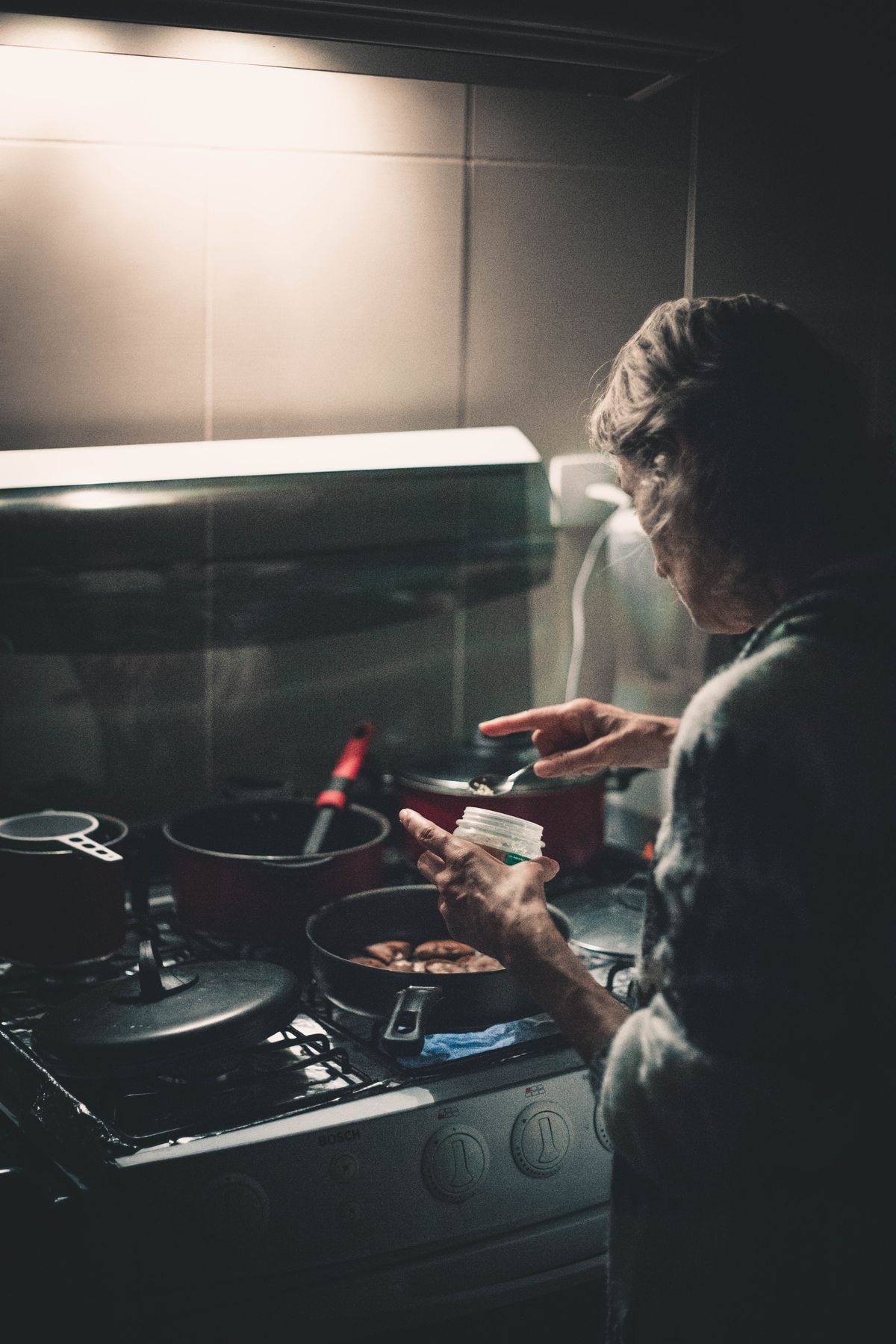
Illustrative editorial photograph · Pexels. Not a photograph of a marketplace listing.
In Providence, Rhode Island, the hard part of choosing a monthly cooking stay is not whether the apartment has a kitchen in the listing title; it is whether the actual inventory will let you cook the way you expect for the exact dates you plan to stay. If you need to make breakfast every day, pack lunches, or cook full dinners in Providence without constant takeout, the difference between a stocked cabinet and a bare counter matters more than square footage. Before you contact an owner through Month n' More search, decide what you must be able to cook, then inspect the kitchen inventory line by line so you do not arrive with ingredients you cannot use.
Start with the meals you actually plan to cook
A useful first question is not “Is there a kitchen?” but “What meals will I prepare here on a normal week?” If the answer is eggs, oatmeal, salad, and one-pan dinners, the inventory needs are modest. If you want to cook rice, roast vegetables, simmer soup, and bake, you need a different set of tools. Make this concrete with a worked hypothetical situation: Example: a designer staying in Providence for six weeks wants to cook four nights a week, make coffee every morning, and prep a simple lunch. That person should not only ask about a refrigerator and stove; they should ask whether there is a stock pot with a lid, a skillet, a sheet pan, a colander, a cutting board that is not warped, a sharp knife, measuring cups, and enough plates and bowls to avoid washing after every single meal. Without that list, the stay may look cookable but function more like a hotel room with a cooktop.
For Providence, that question also connects to how you plan to shop. If you intend to buy produce and cook often, the kitchen has to support repeated preparation, storage, and cleanup. Rhode Island’s Department of Environmental Management publishes an annual approved farmers markets and vendors list that includes Providence sites such as Gateway Center on Broad Street and The DaVinci Center on Charles Street. Those listings matter because they tell you fresh-food shopping may be realistic during a monthly stay, but only if the kitchen inventory can turn purchases into meals. If you expect to bring home vegetables from a market, ask whether the refrigerator has enough shelf space for a week’s worth of produce and whether there is a crisper drawer, not just a cold box.
Inventory categories to inspect, not just a vague kitchen photo
Kitchen photos often hide the details that determine whether you can cook. Inspect the inventory in categories: cookware, tools, storage, appliances, and cleanup. For cookware, ask what sizes of pans and pots are actually present and whether lids fit. For tools, ask about a reliable chef’s knife, paring knife, spatula, tongs, can opener, peeler, mixing bowls, and measuring tools. For storage, ask whether there are food containers with lids, pantry shelves, and fridge room for leftovers. For appliances, ask which burners work, whether the oven heats evenly, whether there is a microwave, toaster, coffee maker, and kettle, and whether you can use them all at once. For cleanup, ask about dish soap, a drying rack, trash bins, and whether there is enough counter space to prep food without juggling ingredients on top of the sink.
The Rhode Island Department of Health notes that farmers' markets are available throughout the state and some are open year round. For a Providence cooking stay, that means your kitchen inventory should be judged against the possibility of frequent fresh shopping, not just shelf-stable meals. If you plan to buy greens, herbs, fruit, fish, or bread in smaller batches, ask whether the apartment has a usable refrigerator shelf, not merely freezer space. If you like to cook with many ingredients at once, ask whether the counter can handle a cutting board, bowl, and pan simultaneously. A kitchen that looks fine for reheating may still be frustrating for actual cooking.
Questions to ask before you send a message
The best questions are specific enough to produce a useful answer. Ask: Which pots and pans are in the kitchen right now? Are they nonstick, stainless, or mixed? Is there a pot large enough for pasta or soup? Is there a baking sheet? Are there matching pot lids? How many burners work at the same time? Does the oven have temperature control and usable racks? Is there a full-size refrigerator, and if not, how much shelf and freezer space is available? Are there basic utensils, or should I bring my own whisk, wooden spoon, knife, and measuring tools? Is there a coffee maker or kettle if that matters to your routine? Can I see a photo of the cabinet contents, not just the counters?
If you are considering listing your own place for monthly guests, the same inventory logic helps you describe the kitchen accurately at Month n' More list your place. Good kitchen disclosure does not mean overpromising; it means naming what is there and what is not so a guest can judge whether they can cook the meals they expect. If the kitchen is minimal, say so plainly. If it is well equipped, specify the pieces that matter most to cooks instead of relying on “fully stocked,” which can mean almost anything.
A practical decision framework for Providence stays
Use a simple three-part framework: necessary, helpful, and optional. Necessary items are the ones that determine whether you can cook your planned meals at all. For many people that means a working stove or cooktop, refrigerator space, at least one decent pan, one pot, a knife, and utensils. Helpful items make the routine easier, such as a colander, baking sheet, microwave, kettle, food storage containers, and enough dishes for more than one meal. Optional items are conveniences like a blender, rice cooker, food processor, or specialty bakeware. This framework keeps you from rejecting a good stay because it lacks a gadget you rarely use, while also preventing disappointment when a listing leaves out something essential.
Now add the Providence context. The state’s approved market listings include multiple Providence pop-up locations in different parts of the city, including St Martin de Porres on Cranston Street, Hopkins Park on Admiral Street, and Neutaconkanut Park on Plainfield Street. Those are useful references because they suggest a monthly cook in Providence may want a kitchen that can handle short shopping cycles and fresh ingredients. If you plan to cook on a market rhythm, prioritize fridge organization, cutting space, and cleanup tools over decorative extras. A beautiful kitchen with no prep space is less useful than a plain one with a sturdy board, sharp knife, and functional sink.
What to verify in photos, messages, and a walk-through
If the owner shares photos, do not only look for countertops and cabinet fronts. Zoom in mentally on the inventory. Can you count the frying pans? Do the utensils look duplicated or just staged for a photo? Is there a visible can opener, spatula, and ladle? Are there enough drinking glasses for a few days without constant dishwashing? If you can visit, open cabinets only if permitted and confirm the items you were told about. If you cannot visit, ask for a current inventory list with quantities. “One skillet” and “two skillets” are very different when you cook often. If the stay is for more than a couple of weeks, also ask whether cookware is stored with lids, whether there is room for groceries beside cleaning supplies, and whether the oven or microwave has been tested recently.
- Write down the meals you must be able to cook in Providence during the exact stay dates.
- Ask for a current kitchen inventory with counts, not vague labels like ‘fully stocked.’
- Confirm refrigerator space, burner count, oven function, and whether key lids and utensils are present.
- Check for prep tools: cutting board, sharp knife, mixing bowls, measuring tools, and colander.
- Ask what dishware and food storage containers are available for leftovers and batch cooking.
- Compare the kitchen setup with how often you expect to buy fresh food from Providence markets or grocery trips.
- If listing your place, describe the actual kitchen contents clearly through Month n' More list your place.
A final filter before you decide
A Providence monthly stay is cooking-friendly only if the kitchen inventory matches the way you cook, shop, and store food during your exact dates. That may sound obvious, but many disappointments come from assuming “kitchen” means “ready to cook.” In practice, the question is whether the space lets you do the ordinary work of cooking: wash, chop, sauté, simmer, store, and clean up without improvising around missing tools. The local market listings and food guidance from Rhode Island officials show that fresh-food cooking is a realistic part of staying in Providence; your job is to make sure the kitchen can support that routine. If the inventory answers are clear, you can search more confidently. If they are vague, keep asking until you know whether the place fits your meals rather than the other way around.
Make your next month feel more settled.
Related reading

Questions to ask before choosing a stay
The useful questions that bring a listing to life, from included costs and furnishings to arrival, internet and the small details of daily living.

Furnished monthly rentals, explained
A clear starting point for understanding what a furnished monthly stay is, what it may include and how to decide if it fits your plans.

Furnishing essentials for monthly stays
A people-first guide to preparing a furnished home: focus on comfort, useful basics and clear expectations instead of filling every shelf.