Columbus Duplex Listings: Make Shared Spaces Clear
How Columbus duplex shoppers can sort out shared porches, yards, laundry, parking, and utilities before they message an owner or visit a place.
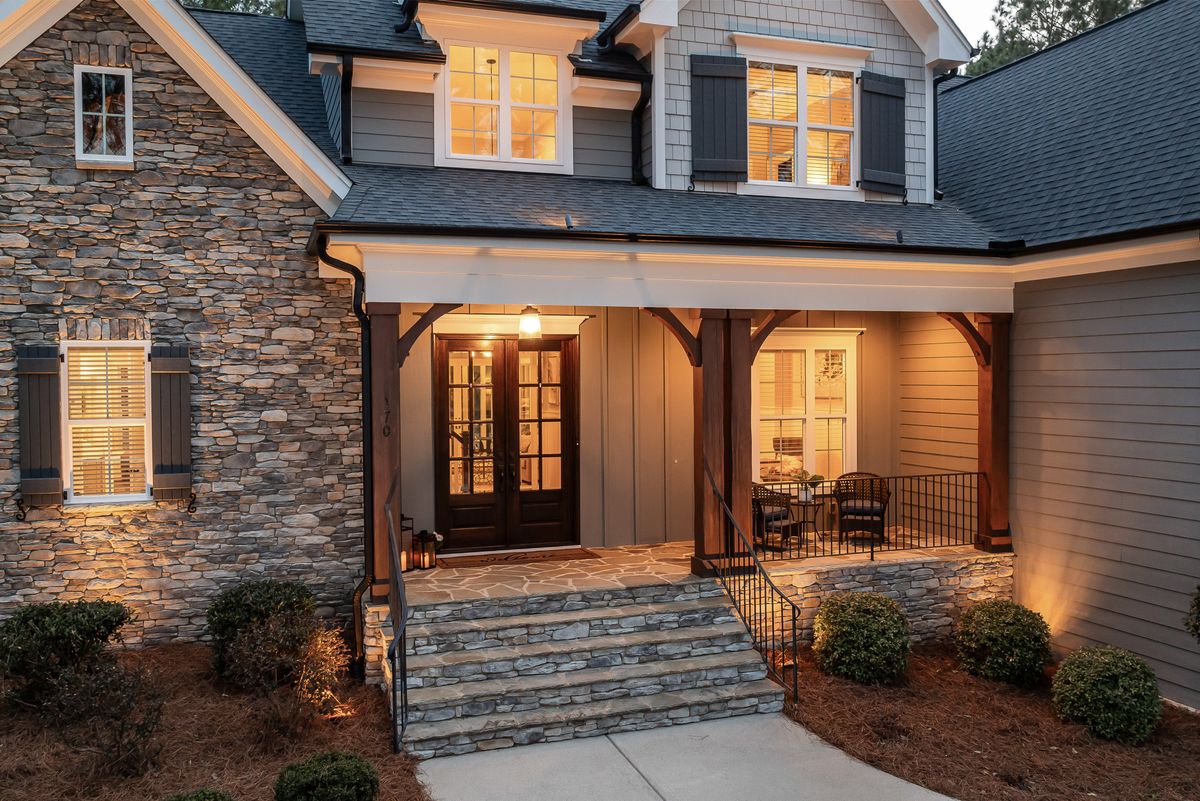
Illustrative editorial photograph · Pexels. Not a photograph of a marketplace listing.
In Columbus, Ohio, the hardest part of evaluating a duplex listing is often not the bedroom count but the shared-space question: what is actually yours, what is shared, and what does that mean for daily life? A duplex can look straightforward in photos and still leave you guessing about the front porch, driveway, basement, yard, trash area, or laundry room. Before you ask for a tour through Columbus duplex listings on Month'n More, decide what you need to know about shared access, because those answers shape how quietly you can work from home, where you can store gear, and whether the place fits a month-by-month stay. If you are comparing options, the listing itself may not spell out every boundary, so your job is to turn the conversation into concrete details rather than assuming the entire house functions like a private apartment.
What “shared” can mean in a Columbus duplex
Shared does not mean only one thing. In a Columbus duplex, it might mean a common front entrance with separate unit doors inside, a split driveway with marked parking, a backyard divided by habit instead of fencing, or a basement that one unit reaches through a common hallway. It can also mean utilities or storage that are not evenly separated. The practical question is not just whether something is shared, but how the sharing works day to day. Can both households use the porch at the same time? Is the laundry area locked? Does one unit cross the other’s path to reach the trash bins? Does the lease or owner communication describe any common areas in writing? If you are screening a place for a short stay, these distinctions matter more than generic “amenity” language because they affect privacy, noise, scheduling, and whether your furniture or work setup can actually fit.
A worked example: one renter, three different duplex patterns
Example: a consultant needs six weeks in Columbus and finds three duplex listings that seem similar online. The first has a shared front porch and a separate rear entrance, the second has a common driveway with one assigned parking space, and the third offers private entrances but a shared basement laundry room. None of those are automatically better or worse; they create different tradeoffs. The consultant who hosts clients at home may prefer the private entrance even if the parking arrangement is less convenient. The consultant who carries equipment may rank the separate parking space higher than porch privacy. The person who plans to work late may care most about whether the laundry room is in a common basement that other occupants also use. In a month-long stay, those details affect routine far more than a polished listing headline. This is why it helps to message the owner with narrow questions such as: Which exterior areas are common? Is the yard split by agreement, fence, or habit? Are utility meters separate? Who handles trash bins and snow shoveling on shared paths? Do not treat a listing photo of a porch or driveway as proof of exclusive use.
Use Columbus’s official context to verify the property type
For Columbus duplexes and other shared-property questions, the city’s own zoning and code resources help you understand whether the property is being discussed as a duplex, an accessory dwelling, or another residential form. The City of Columbus publishes a zoning resources page that points to the city zoning code, the zoning map, and Building and Zoning Services contacts. That matters because the exact property setup can shape what “shared” should mean in practice. The city’s ADU handbook says ADUs are subject to the requirements of the Residential Code of Ohio and notes that those requirements usually apply in situations such as detached ADUs located behind another structure. For a renter or month-stay seeker, that is a reminder to check whether a listing is really a conventional duplex, an accessory unit, or a converted arrangement with different boundaries. If the property type is unclear, ask the owner to describe the unit’s access, the shared spaces, and the separate utility responsibilities in plain language, then confirm any official zoning questions through Columbus Building and Zoning Services rather than assuming the online description is complete.
Decision framework: judge shared-space risk before you judge the floor plan
A useful framework for Columbus duplex shopping is to rank each shared feature by access, frequency, and consequence. Access asks who can reach the space; frequency asks how often you will need it; consequence asks what happens if the arrangement is awkward. A shared front porch may be low consequence if you rarely use it, but high consequence if you work near the entrance or receive deliveries often. A shared basement may be acceptable if you only need occasional storage, but not if you plan to do laundry every few days or keep work materials there. A common driveway can be fine if parking is assigned clearly, but stressful if cars block access and no one has established a routine. When you compare listings, write down what you need to know about each shared item: exact entrance, parking lane, porch use, yard boundaries, laundry access, trash placement, and any storage area that is not fully within your unit. If the owner cannot explain each one clearly, treat that as a decision signal, not a minor omission.
Questions to ask before you visit or sign anything
- Which exterior spaces are shared, and which are exclusive to my unit: porch, driveway, yard, side passage, or rear entry?
- Is there a basement, garage, attic, or shed that both units can access, and if so, how is access managed?
- Are utilities separately metered, partially shared, or combined in any way that affects how costs are tracked?
- Who is responsible for trash bins, snow removal on walkways, and mowing or yard upkeep in shared areas?
- Are there any scheduled or informal times when the shared area is routinely used by the other unit?
- Can you describe the unit boundaries from the street to the door so I know where my space starts and ends?
- If the listing is an ADU or converted setup, what official city resource should I use to confirm the property context?
How to inspect shared spaces during a tour
During a tour, do not only look at finishes. Walk the route you would use every day and note where paths cross. Check whether the entrance is truly private or whether you pass through a common vestibule. Look at the porch width and whether there is a realistic way to set down bags without blocking another person’s access. Inspect the driveway for turn-around space, not just whether one car fits. If the basement is shared, ask where each unit stores belongings and whether laundry machines are separated or scheduled. If the yard is shared, stand at the boundaries and ask how the space has been used in practice. The goal is to discover whether the shared setup supports your routine without constant negotiation. If you find yourself explaining the arrangement to a friend while touring, that is often a sign the listing needs clearer boundaries before you move forward.
If you are the owner or listing a duplex, make the shared parts legible
Clear shared-space language helps the right renter self-select. If you are preparing a listing, name the shared areas specifically rather than saying only “some common space.” State whether the porch, driveway, yard, laundry, basement, or storage area is shared, and describe how access works. If you expect the renter to use Month'n More to list your place, use the description to reduce confusion before messages start. A good listing does not overpromise privacy or imply that every part of the property belongs to one unit. It gives enough detail for someone to decide whether the arrangement fits short-term living. That is especially important in duplexes, where the line between separate and shared can be easy to misunderstand from photos alone.
A practical checklist before you move ahead
- Write down every shared area mentioned in the listing or during messaging.
- Confirm how you enter, where you park, and which path you use in bad weather.
- Ask whether laundry, storage, or basement access is shared, scheduled, or locked.
- Clarify how trash, yard care, and exterior maintenance are handled.
- If the property type seems like an ADU, converted unit, or unusual setup, compare the description with the City of Columbus zoning resources and ADU handbook.
- Record the owner’s answers in writing so you can compare listings consistently.
The point is not to eliminate every shared feature. In Columbus, a duplex can be a practical month-long home precisely because it offers a house-like layout with manageable compromises. But the compromise has to be visible before you commit. When shared spaces are defined clearly, you can decide whether the setup supports privacy, storage, and day-to-day flow. When they are vague, you are not comparing homes anymore; you are guessing at boundaries. For this topic, the best decision is the one you can explain back in concrete terms: which spaces are shared, how often you will use them, and whether that arrangement fits your routine.
Make your next month feel more settled.
Related reading

Questions to ask before choosing a stay
The useful questions that bring a listing to life, from included costs and furnishings to arrival, internet and the small details of daily living.

Furnished monthly rentals, explained
A clear starting point for understanding what a furnished monthly stay is, what it may include and how to decide if it fits your plans.

Furnishing essentials for monthly stays
A people-first guide to preparing a furnished home: focus on comfort, useful basics and clear expectations instead of filling every shelf.