Santa Fe Artist Stays: Ask Before Using the Space
What Santa Fe artists should ask before using a monthly stay as a studio: light, materials, cleanup, storage, access, and owner permission.
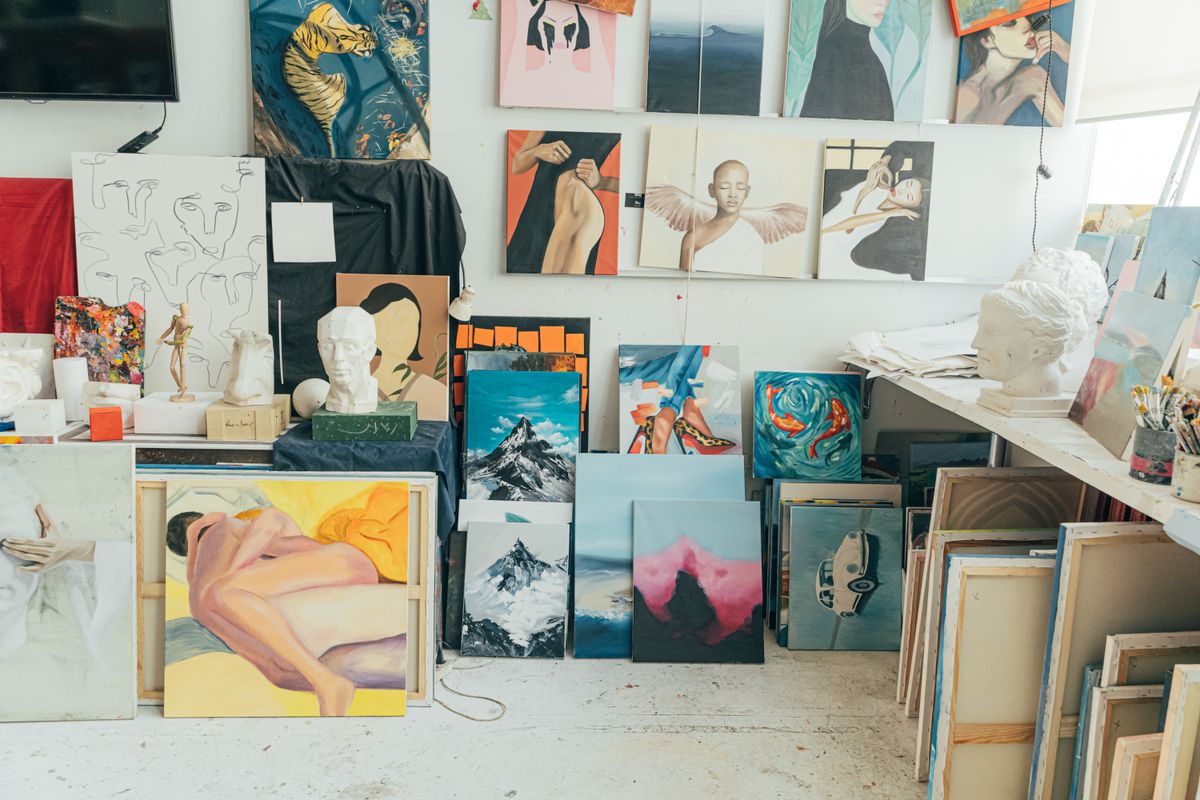
Illustrative editorial photograph · Pexels. Not a photograph of a marketplace listing.
In Santa Fe, New Mexico, the first artist-housing decision is often not where to sleep but whether the room can safely hold your art materials, drying work, and cleanup routine without creating a problem for the owner. If you are planning a month-long stay and expect to paint, print, sew, assemble, or photograph in place, the key question is not “Is there space?” but “What uses are actually allowed, and what conditions must be cleared before I bring in materials?” That matters because a bedroom with a table can be a workable working corner for one practice and a poor fit for another, and the right answer depends on the space, the house rules, and the materials you use.
Start with the real decision: living space, working space, or both
The most useful way to think about a Santa Fe artist stay is as a choice among three setups. First, there is a place that only supports living, with no real room for art-making beyond sketching or digital work. Second, there is a place that can handle light studio use if you keep the process quiet, dry, and low-odor. Third, there is a place that can support a more active studio workflow, which usually requires explicit permission and specific conditions. The decision is less about the label of “artist-friendly” and more about whether your actual materials fit the space.
For example, if you work in watercolor or drawing, you may mainly need natural light, a table that will not be damaged by moisture, and a place to set wet papers away from dust. If you work with oils, spray fixatives, or mixed-media adhesives, you need to ask very different questions about ventilation, odor, drying time, and whether the room surface can be protected without causing damage. That is the kind of planning issue to resolve before you start searching on Month ’n’ More’s monthly stay search, not after you arrive and unpack canvases.
Use Santa Fe’s arts context to ask better questions
Santa Fe has an active residency and arts-infrastructure conversation, and that makes it a place where you should be especially clear about what kind of use you are asking for. The Santa Fe Art Institute’s residency page shows that the organization is organized around residency programming and related facilities rather than generic short-term lodging; its current residency page includes headings for Open Calls, Residents, Current Residents, Current Fellows, Alumni, Calendar, and Facilities, which tells you that “residency” in Santa Fe can mean structured creative support, not just a room with a desk. For your own stay, that means you should not assume a listing supports art-making just because the city has a strong arts reputation.
A second useful fact from the same current page is that it also references facility use and rental-related items, including “Facility Rental” and “Airbnb Rental” in the site navigation. That is a reminder that artist stays can sit at the boundary between workspace and lodging, so the deciding issue is how the host wants the space used, not how you imagine using it. If you want to photograph paintings, stretch canvas, or leave a work-in-progress out overnight, ask whether the owner is comfortable with that specific use and whether the stay has any no-studio hours or room restrictions. If you need a place designed for more formal creative work, ask whether there is a separate workspace instead of assuming the bedroom must do everything.
A third local fact is visible in the SFAI archives, where the institute notes that it welcomed a new residency director and later featured the executive director with resident artists in 2025 on its Residency Archives page. That shows the local ecosystem is active and current, which matters because Santa Fe artists often move between institutional residencies and private monthly stays. If your project depends on contact with the local arts scene, think about whether your stay is mainly for uninterrupted production or whether you also need proximity to exhibitions, open studios, or administrative meetings. Those are different housing decisions.
Ask about materials before you ask about style
When you contact an owner through Month ’n’ More’s list-your-place page, the most productive conversation is specific and practical. Don’t ask only whether the home is “good for artists.” Ask what materials are permitted and what conditions apply. The exact list should match your practice: paper, watercolor, ink, acrylic, oil, charcoal, pastel, clay, textile dye, glue, resin, photography chemicals, foam, wood, or found materials. A yes for sketching does not automatically mean yes for wet painting, sanding, cutting, or anything that creates dust or odor.
If your materials are odorless and low-mess, your main concerns may be drying space, a stable table, and floor protection. If your materials are wet, dusty, sticky, or fragile, then ask about ventilation, sink access, cleanup rules, trash disposal, and whether you may use tape, drop cloths, or temporary coverings. You should also ask where to store work overnight, because a crowded living room can be fine for a notebook but risky for a framed piece, a wet canvas, or stacked prints. The goal is to avoid discovering that your materials and the property’s expectations are misaligned after you have already moved in.
A worked example: a one-month painting stay in Santa Fe
Example: a painter plans a one-month stay in Santa Fe and expects to work every afternoon. The artist needs a place with steady daylight, a table large enough for small panels, and a corner where wet work can dry out of the way. Before agreeing, the artist asks three questions: whether painting is allowed inside at all, whether solvents or only water-based media are permitted, and whether finished or drying work can remain in the room overnight. Then the artist asks for clarification on table size, floor protection, and where cleanup supplies may be kept. If the answers are vague, the stay is probably better treated as a living arrangement with occasional sketching rather than a true studio month.
Now compare that with a collage artist whose supplies are mostly paper, glue sticks, scissors, and a cutting mat. That person may only need a stable surface, good light, and permission to leave materials out between sessions. The same Santa Fe stay could fit both artists differently. This is why the question is not “Is the place artistic?” but “Which materials can actually be used there without damage, disruption, or a rule conflict?”
What to inspect, record, and confirm before you commit
Use a simple decision framework: first, identify your highest-risk material or process; second, match it against the space; third, confirm permission in writing or in the listing message thread; fourth, decide whether to bring the full kit or scale back. If your process uses anything that can stain, shed, smell, splatter, or scratch, inspect the surfaces where you would work and the path between the entrance and the work area. If you need quiet time for editing, voice recording, or concentration, ask about household routines rather than making assumptions about the schedule.
- What specific art materials are allowed: wet media, dry media, adhesives, spray products, fabric dye, clay, wood, or only sketching and digital work?
- Where can work stay overnight: on a table, in a closed room, on shelving, or not at all?
- Is there a sink, utility basin, or cleanup area you may use for brushes, hands, and tools?
- What surface protections are allowed: drop cloths, paper, mats, tape, or temporary coverings?
- How should you handle waste, rag disposal, scrap paper, and packaging?
- Are there limits on noise, odor, dust, or shared-space use at certain hours?
- If you plan to receive materials or ship finished work, is that allowed at the address?
If you make the same checklist each time, it becomes easier to compare places honestly. One home may support a quiet paper practice but not a printmaking setup. Another may allow studio use but only in a specific room. A third may be perfect for storage and sleeping but too constrained for active production. The checklist helps you separate those categories before you arrive.
A practical final check before you search or list
Before you search, write down the minimum conditions your materials require and the things you will not do in a rented space. Before you list a place for artist use, describe the working conditions clearly so the right person can assess them. That is better for everyone than a generic “creative retreat” label that does not say whether the room can handle a watercolor wash, a sewing machine, or a drying print. If you are browsing, use Month ’n’ More’s search page to look for monthly stays, then ask the material questions that turn a stay into a workable studio month. If you are offering a place, the list-your-place page is the natural place to think through those same questions from the host side.
For Santa Fe artists, the best outcome is not simply finding a room in the right city. It is finding a monthly stay where the space, the rules, and the materials all line up before the first sketchbook or paint tube comes out.
Make your next month feel more settled.
Related reading

Questions to ask before choosing a stay
The useful questions that bring a listing to life, from included costs and furnishings to arrival, internet and the small details of daily living.

Furnished monthly rentals, explained
A clear starting point for understanding what a furnished monthly stay is, what it may include and how to decide if it fits your plans.

Furnishing essentials for monthly stays
A people-first guide to preparing a furnished home: focus on comfort, useful basics and clear expectations instead of filling every shelf.