Bozeman Owners: Set Up a Practical Winter Mudroom
How Bozeman owners can design a winter mudroom that supports drying, reduces mess, and stays aligned with local snow-removal and permit realities.
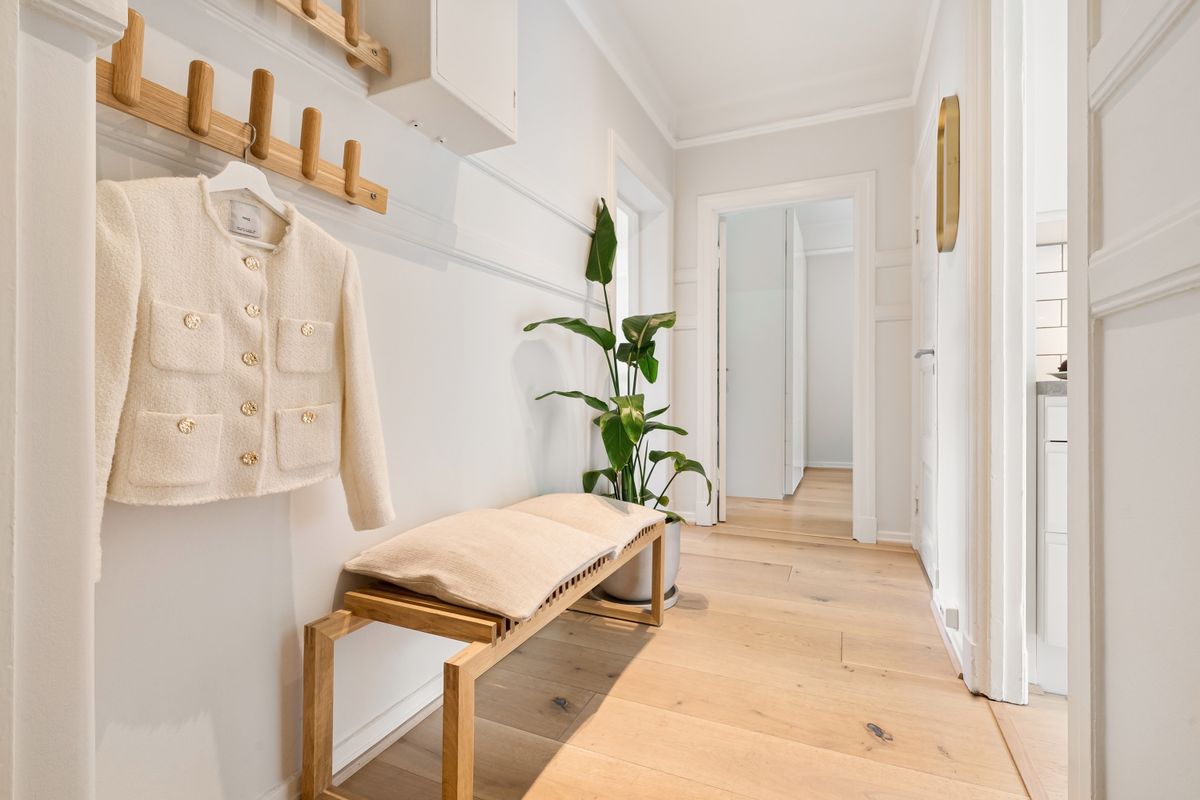
Illustrative editorial photograph · Pexels. Not a photograph of a marketplace listing.
If you own a place in Bozeman, Montana, the winter mudroom is not a decorative entry niche; it is the room that decides whether slush, boots, and wet outerwear stay contained or migrate through the rest of the home. A practical layout has to work on the first storm day, the tenth rinse-and-repeat thaw, and the morning after a heavy snowfall when guests are tracking in from the sidewalk you are expected to clear. That matters because Bozeman officials remind residents that homeowners and tenants must remove snow from the sidewalk in front of their property within 24 hours after it stops falling, down to bare cement, or face a fine, according to the city’s snow-removal reminder. A mudroom that speeds drying, lets people change shoes, and gives you a place to stage wet gear supports that daily routine instead of fighting it.
What a Bozeman mudroom has to solve in winter
The useful question is not “How can the entry look tidy?” but “Where does every wet item go in the first two minutes after someone comes inside?” In Bozeman, that usually means handling boots, snow-covered hems, gloves, hats, dog leashes, and damp coats without soaking the floor or blocking the path to the rest of the house. The drying problem is central: if the entry has no place for boots to shed water, the moisture ends up underfoot or in a pile by the door. If coats hang too close together, they dry slowly and smell stale. If there is nowhere to sit, people balance on one foot and drip across the room. The best setup is the one that makes the wet routine obvious, fast, and repeatable for everyone who lives there or visits.
This is also where the city context matters. Bozeman’s snow-removal rule means a good mudroom should help you move from outside work to inside cleanup without delay. If the sidewalk needs to be cleared to bare cement within 24 hours after snowfall ends, then the entry should support quick changes of gloves, boots, and layers before and after the shovel run, not after you have already tracked meltwater through the kitchen. For owners who want to present a place that feels disciplined in winter, this is a real operational feature, not a style choice.
Example: a small house that keeps losing the battle with meltwater
Example: an owner in Bozeman has a narrow side entry that opens into a kitchen. After every storm, boots line the wall, coats hang from chair backs, and a damp trail appears from the door to the sink. Guests have nowhere to sit while removing snow-packed boots, so they step across the floor in socks. The owner does not need a bigger house to improve this; they need a mudroom plan that matches the available square footage. A bench, two or three clearly assigned hanging spots, a boot tray with a defined drying zone, and a landing surface for gloves and hats can turn the entry into a controlled transition space. The key decision is whether the room is being asked to store everything all winter or only to manage the daily arrival-and-departure cycle. Those are different jobs.
That example is not a claim about any available home. It is simply a planning model. But it shows the kind of questions owners should ask when they evaluate an entry: Can one person sit down and remove wet boots without blocking the door? Is there a surface that can tolerate being wet for a few hours? Does the layout give dripping outerwear a place to hang where air can move around it? If the answer to those questions is no, the room will keep failing on storm days even if it looks neat on sunny afternoons.
A decision framework for designing the room
Start by dividing the mudroom into three jobs: arrival, drying, and reset. Arrival is the moment someone comes in with snow on their clothes and needs a place to stop. Drying is where wet items are left so they do not spread moisture through the rest of the house. Reset is the quick restock of hats, gloves, boots, dog gear, and whatever the next outing will require. If one zone tries to do all three, the space usually becomes clutter. If each zone has a specific purpose, the room is easier to maintain.
For arrival, ask whether there is a clear place to sit and a clear place to step. For drying, ask whether there is enough distance between hung items for air to reach them and whether the floor can handle water that drips off boots before it is wiped up. For reset, ask whether the items people reach for most often are visible and reachable without moving wet gear. Bozeman owners who host monthly stays or long winter visits should think of this as part of the guest workflow, not just household storage. If you are deciding how to prepare a place for monthly use, you can compare different property setups through Month 'n' More search and think about whether the entry supports the same winter routine your guests will need.
The city also has a permit context worth respecting if you plan to change the space. The City of Bozeman building permit checklists and guides note that Montana plans to adopt the 2024 ICC family of codes in mid-2026 and that designs should comply with the code cycle in effect when permit applications are submitted. For an owner, that means larger mudroom changes should be reviewed against current official requirements rather than assumed from memory or from a past remodel. If the project is limited to storage furniture and organization, that is a different matter; but if walls, openings, or other building elements are changing, the permit path needs checking first.
What to inspect before you buy containers or build storage
A mudroom only works if it is designed around actual use patterns. Before buying bins or adding shelving, measure the habits of the people who use the entry. How many pairs of boots need a drying spot on the busiest snowy day? Do wet gloves need a shelf, a hook, or a basket where they can be separated? Does someone enter with a dog and a leash, which adds another layer of clutter near the floor? Do children need lower hooks and a place to sit that they can use without help? These details matter more than matching finishes.
Also inspect the path from the door inward. If people must walk around a corner while carrying wet gear, the floor surface should not encourage slipping or spreading moisture. If the space is tight, vertical storage becomes more important than wide cabinets, because closed-over storage can hide the mess but not solve drying. A proper drying plan usually needs airflow, spacing, and a habit of rotating damp items so they do not stay compressed in a heap. The goal is not to dry everything instantly; it is to give moisture a controlled place to go.
For owners who list or manage a place in winter, this setup can be a meaningful operational advantage when describing the entry workflow to prospective month-long guests. If you are preparing to offer a place for monthly stays, you can also list your place and think about whether the mudroom setup will support the kinds of winter arrivals people actually make in Bozeman: later-day check-ins after shoveling, wet outdoor clothing, and repeat in-and-out trips during a storm week.
A practical checklist for a winter mudroom in Bozeman
- Map the first five items that come off in winter: boots, coat, gloves, hat, and bag. Give each a specific landing spot.
- Create one seat or stable perch for changing footwear so people do not balance on one foot and drip across the room.
- Use a boot drying area that keeps wet soles separated from clean floors and from each other.
- Make sure there is visible, easy-to-reach hanging space for coats that need air circulation, not just closed storage.
- Assign a small reset zone for daily items such as keys, leash, hand warmers, or a second pair of gloves.
- Keep a clear path between the exterior door and the interior door or hallway so the entry stays usable during storms.
- Plan for cleanup after sidewalk work, since Bozeman’s snow rule requires removal within 24 hours after snowfall stops, down to bare cement, per the city reminder article.
- If you are changing built-in elements, verify current permit requirements on the city’s building checklists page before starting work.
- Test the room on a wet day: come in with damp boots, coat, and gloves, then notice where water lands and what feels awkward to reach.
The simple standard: fewer steps, faster drying, less spread
A good Bozeman mudroom does not need to be elaborate. It needs to reduce steps, speed drying, and keep winter mess contained. If the room makes it easy to sit, strip off wet layers, and store them where air can do its work, you will feel the difference on every snowy day. If it makes those actions awkward, the clutter will return no matter how often you tidy it. The right answer is the one that fits the house and the winter routine you actually live, not an idealized entry from a catalog. For that reason, the best time to design the space is before the first hard freeze, while you can still notice which corner is always used, which hook is always overloaded, and which floor area gets the most splash. That is the practical way to turn a Bozeman mudroom into a working part of the house instead of a permanent pile-up zone.
Make your next month feel more settled.
Related reading

Questions to ask before choosing a stay
The useful questions that bring a listing to life, from included costs and furnishings to arrival, internet and the small details of daily living.

Furnished monthly rentals, explained
A clear starting point for understanding what a furnished monthly stay is, what it may include and how to decide if it fits your plans.

Furnishing essentials for monthly stays
A people-first guide to preparing a furnished home: focus on comfort, useful basics and clear expectations instead of filling every shelf.