Rochester Recovery Stays: Check the Bathroom First
How to judge Rochester monthly stays for recovery by inspecting bathroom layout, transfer space, and caregiver workflow before you contact an owner.
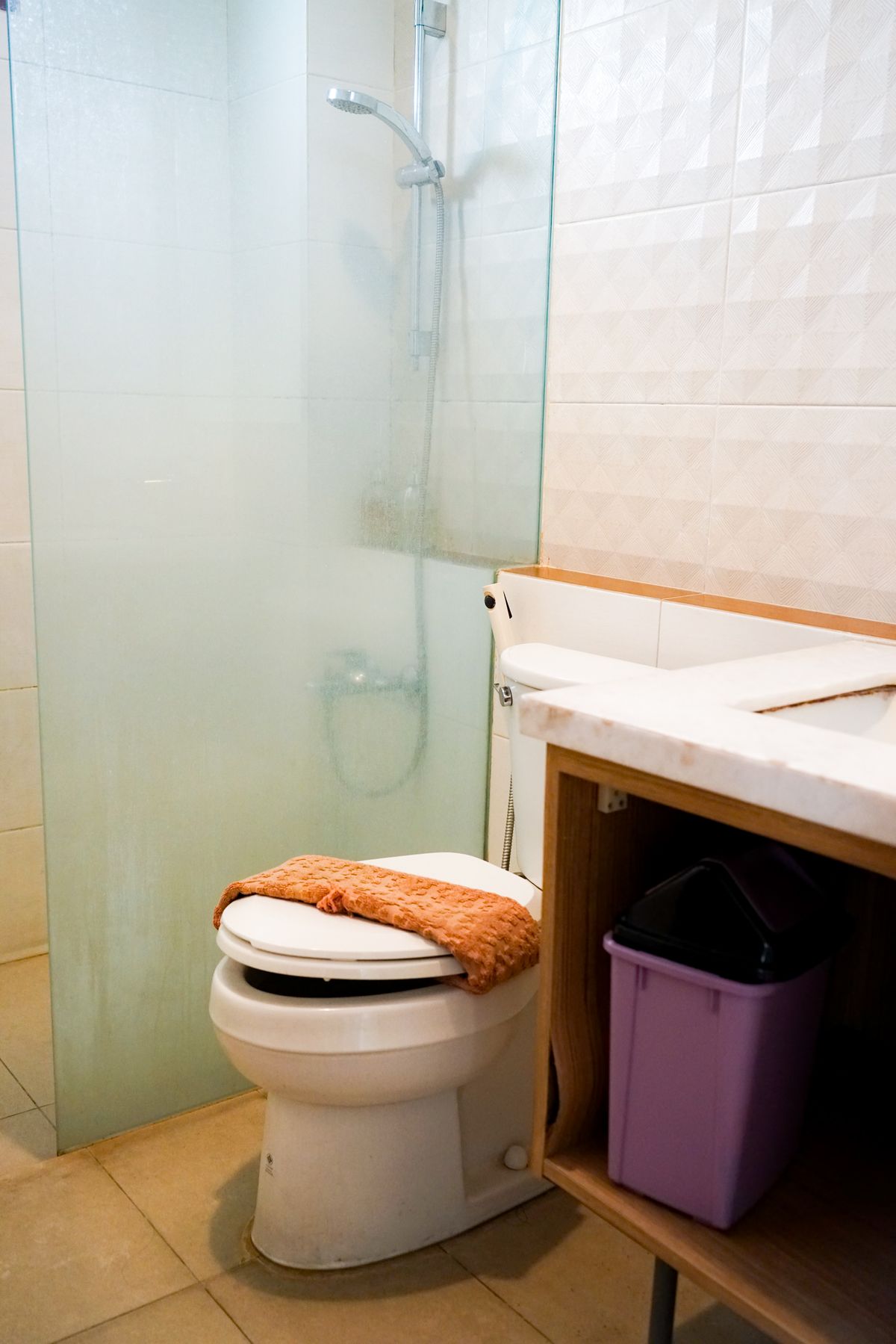
Illustrative editorial photograph · Pexels. Not a photograph of a marketplace listing.
In Rochester, Minnesota, a recovery stay can rise or fail on one room: the bathroom. If you are choosing a monthly stay near Mayo Clinic for yourself or for a family member coming out of a procedure, the real question is not just whether the place looks clean in photos. It is whether the bathroom makes the first week of recovery safer, faster, and less stressful. That means measuring the shower threshold, checking where a walker or wheelchair can turn, asking who can help with a transfer, and making sure the room works at the exact point when energy is lowest. For planning, you can browse monthly stays in Rochester near Mayo appointments, but availability still depends on direct contact with the owner, so the bathroom questions have to be asked before anyone assumes a place will fit recovery needs.
Why the bathroom deserves the first look
Recovery routines are built around the bathroom more than most renters expect. Medication timing, wound care, bathing limits, and morning fatigue all converge there. A bedroom can be beautiful and still be useless if the shower entry is too high, the toilet is too low for safe standing, or the sink leaves no room to lean in while managing a brace or bandage. In a Rochester stay, the bathroom often becomes the daily work zone, so you should treat it like the main functional space, not a side feature. The question is not whether the place is generally “accessible,” but whether the bathroom supports the exact motion patterns your recovery will require: sit, pivot, reach, wash, dry, dress, and exit without a risky twist.
A useful example: imagine a person arriving in Rochester after outpatient surgery who will need help stepping into a shower for ten days. A listing may say the unit is close to the clinic and “comfortable,” but that tells you very little. If the shower has a curb, no bench, and no grab rail placement that the caregiver can actually use, the stay may force awkward workarounds. By contrast, a less polished place with a step-free shower, stable wall support, and enough floor space beside the toilet might be far better for recovery. The lesson is to judge the bathroom by movement, not by style.
The Rochester-specific context that changes the decision
Two local facts matter immediately. First, Mayo Clinic states on its Rochester accessibility page that accessibility services are available across campus and are free of charge, including patient escorts and communications devices; that helps inside the medical campus, but it does not solve the bathroom in your lodging, so you still need to assess the stay itself rather than assume clinic support will cover everything. You can verify that service framework on Mayo’s accessibility services in Rochester page. Second, Mayo’s patient travel page says travelers who need special accommodations, such as a wheelchair, oxygen, or service animal arrangements, should contact Patient Travel Services at 866-551-3392 or 720-956-6055, which is a reminder to align lodging questions with the broader care plan rather than treating the stay as isolated. Third, the Saint Marys Campus patient and visitor handbook states that Mayo Clinic does not own or operate any lodging facility and does not specifically endorse or recommend any hotel, motel, guest house, or apartment; that means the responsibility to check the bathroom falls on the guest and the owner conversation, not on an assumed Mayo-approved list. The handbook is here: Saint Marys Campus patient and visitor handbook.
Those facts change the workflow. If the clinic can help with on-campus mobility needs but not with the lodging layout, then your deciding document is not a star rating; it is your bathroom checklist. And because Mayo does not endorse or operate the lodging, the safest approach is to ask direct questions early, save the replies, and compare options systematically before you move forward.
A decision framework for recovery stays
Use a three-part framework: use, transfer, and backup. First, use: what bathroom tasks must happen every day, and at what time when fatigue is worst? That may include showering seated, changing dressings near a sink, or using the toilet during the night. Second, transfer: how many steps, turns, or lifts does the body need between bed and bathroom? The most elegant bath finishes are irrelevant if the route is too tight for a walker or if a caregiver cannot assist without blocking the door. Third, backup: if the primary shower is not usable on day one, is there another bathing option in the unit, such as a tub alternative or a second bathroom that works better?
Apply this framework to each candidate stay the same way. When you are comparing a monthly place in Rochester, ask: can the user close and open the bathroom door with one hand? Is there space to park a walker without trapping the exit? Is the shower entry level or raised? Is there a fixed surface for sitting or do you need to bring support equipment? Is the toilet positioned so that standing up does not require twisting around a sink or towel bar? If the answers are vague, the place may be unsuitable for recovery even if it looks ideal otherwise. A good recovery stay is one where the bathroom design reduces the number of decisions you need to make while tired.
What to ask before you contact an owner
Because the marketplace helps you find monthly stays and contact owners, the bathroom conversation should happen before you commit to a site visit or assume a unit is a fit. When you reach out through Month n' More's list-your-place flow for owners, or when you search for Rochester options, ask for concrete details, not general reassurance. Ask whether the shower threshold is zero-step or has a lip, whether there is a built-in bench or only a portable chair, whether the toilet has space on one side for a transfer, whether the bathroom door swings inward or outward, and whether the sink basin leaves knee clearance if seated use is needed. If the stay is for a caregiver and patient together, ask whether two people can stand in the bathroom at the same time without crowding the door. These are the differences between a room that merely looks modern and one that supports recovery routines.
A useful follow-up question is whether there are photos taken straight on, not only wide-angle images that make the room seem larger than it is. Ask for the dimensions of the shower opening, toilet-to-wall clearance, and any step height at the entry. If the owner cannot provide exact answers, treat that as data, not annoyance: it means you do not yet have enough information to judge suitability. Recovery planning rewards specificity. If you know the user will be tired after appointments, then even a small mismatch in bathroom layout can become the daily friction point that reshapes the whole stay.
Illustrative example: a post-procedure week in Rochester
Example: a person returning to Rochester after a procedure expects to need help with bathing for several days and will also have early follow-up appointments. The first property seems attractive because it is close to appointments and has a private bath. The second is slightly less convenient on paper but has a step-free shower, a toilet with obvious side clearance, and a wider bathroom doorway. Under a recovery-first framework, the second option may be the better fit even if the first one is newer or more stylish. The decision is driven by bathroom function, not by the number of photos or the decor style. If morning stiffness, drainage management, or a brace will be part of the week, the room that minimizes transfers wins.
This is also where the broader Mayo resources matter. If the stay requires an oxygen setup, a wheelchair, or another accommodation that affects how the bathroom is used, Mayo Patient Travel Services can help coordinate the care side of the trip at 866-551-3392 or 720-956-6055, but that does not replace the need to verify the lodging arrangement itself. The recovery stay works best when medical logistics and bathroom logistics are aligned before arrival.
A practical checklist for Rochester recovery bathrooms
- Confirm whether the shower entrance is level, low-curb, or raised, and ask for a straight-on photo.
- Ask whether there is a built-in bench, fold-down seat, or only a portable chair, and where it would fit.
- Check toilet clearance on at least one side for transfers and whether a walker can fit beside the fixture.
- Ask how the bathroom door opens and whether it can stay open without blocking movement.
- Verify whether a caregiver can assist inside the bathroom without crowding the sink or door.
- Ask for exact dimensions if the user needs a seated shower, a transfer aid, or extra turning space.
- Confirm whether there is a second bathroom or alternate bathing setup if the primary one is not usable on day one.
- Save the owner’s answers in writing so you can compare options before you contact additional stays.
When a bathroom failure should rule out a stay
Some issues are minor inconveniences; others should end the search. If the owner cannot say whether the shower has a step, if the bathroom is too narrow for a caregiver to assist safely, or if the user would need to balance on a slick floor while managing post-op limits, that is not a small gap in information. It is a sign to keep looking. A recovery stay in Rochester should reduce strain, not create new points of instability. If you are unsure, step back and compare more options rather than hoping the space will somehow work once you arrive.
For owners who want to attract recovery-focused guests, the bathroom details are exactly what to describe clearly. For guests, the same details are what to request before choosing a place. If you are listing a home, list your place here with clear, accurate bathroom descriptions; if you are searching, use Rochester monthly stays as a starting point and then press for the measurements and layout notes that matter for recovery. The right answer is usually not the prettiest bathroom. It is the one that lets the person heal with fewer transfers, fewer surprises, and fewer daily negotiations with the room itself.
Make your next month feel more settled.
Related reading

Questions to ask before choosing a stay
The useful questions that bring a listing to life, from included costs and furnishings to arrival, internet and the small details of daily living.

Furnished monthly rentals, explained
A clear starting point for understanding what a furnished monthly stay is, what it may include and how to decide if it fits your plans.

Furnishing essentials for monthly stays
A people-first guide to preparing a furnished home: focus on comfort, useful basics and clear expectations instead of filling every shelf.