Chicago Accessibility: Inspect the Entire Entry Route
For Chicago monthly stays, inspect the whole entry route—from sidewalk to elevator to unit door—before deciding whether a place works.
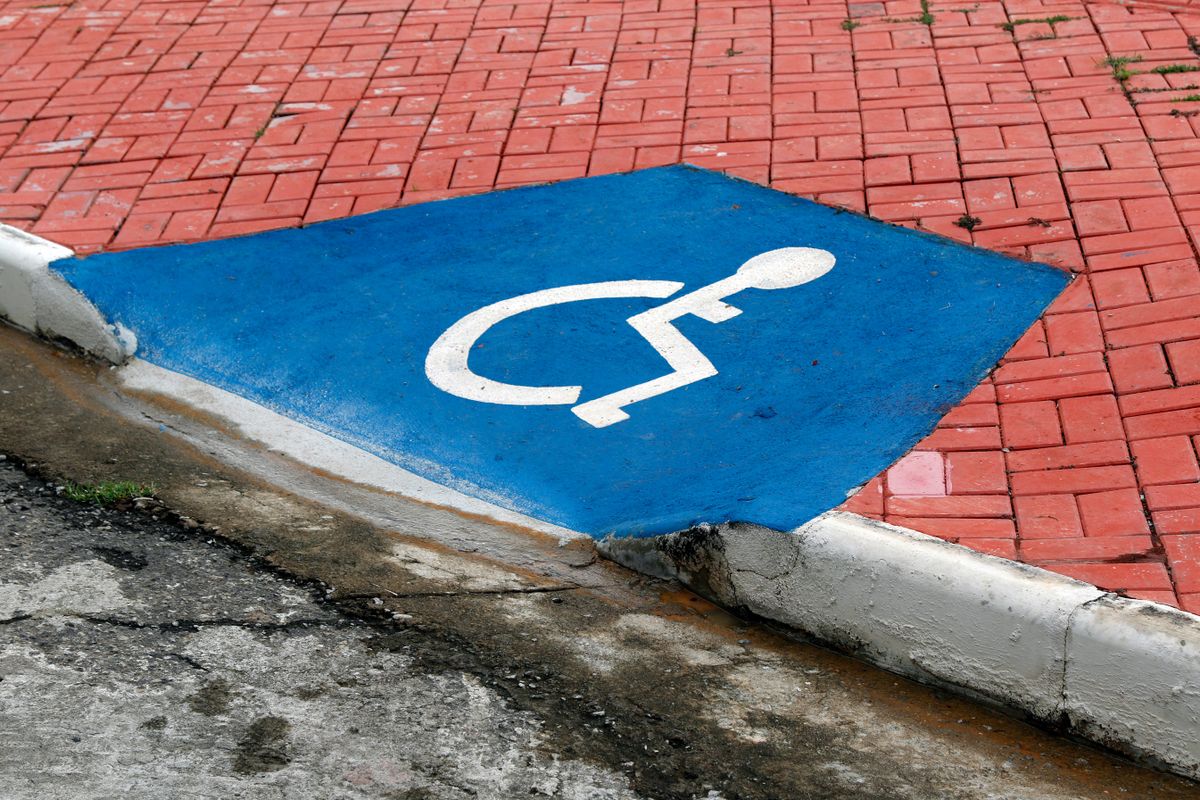
Illustrative editorial photograph · Pexels. Not a photograph of a marketplace listing.
In Chicago, Illinois, the hardest accessibility mistake is often not the apartment itself but the path to get inside. If a monthly stay looks fine on paper, the real question is whether you can move from the curb or lobby through the entrance and elevator without a surprise step, narrow passage, or broken call button. This article is about that specific decision: how to inspect the entire entry route in Chicago before you contact an owner or commit to an agreement.
Start with the route, not the listing photos
Photos can show a polished lobby and a wide hallway while hiding the details that matter most: the sidewalk slope, the exterior threshold, the door hardware, the distance to the elevator, and whether the elevator itself is usable when you arrive. For Chicago monthly stays, treat the entrance as a sequence of checkpoints. Ask yourself: can I reach the door from the street or drop-off point without an obstacle, can I open the entrance independently, can I fit through the vestibule, and can I get from the lobby to the elevator without navigating stairs? If any one of those steps is uncertain, the whole place may not work even if the unit looks suitable once you are inside.
The City of Chicago’s housing resources emphasize that accessibility is a citywide housing issue, not a side note. The city’s Accessible housing information through CHI 311 says the Mayor’s Office for People with Disabilities helps identify integrated, adaptable, and accessible housing in the Chicago area. That matters because the right first contact for an accessibility question is often not the owner’s description but the official housing resource that can tell you what to ask and where to follow up.
What to verify at the entrance in Chicago
When you inspect the entrance, think in terms of physical actions rather than labels. Do not settle for “accessible entrance” as a phrase. Instead, verify whether the entrance requires a step, whether there is a ramp or level approach, whether the doorway can be opened without awkward force, whether there is enough width for your mobility device, and whether the vestibule has enough room to maneuver once the first door closes behind you. If you use an elevator, inspect the path from the door to the elevator cab as carefully as the cab itself.
A useful Chicago-specific habit is to ask for the sequence, not just the feature. For example: “From the street, do I encounter any stairs before the elevator?” “Is the elevator on the same level as the entrance?” “Is there a second door or security gate before the elevator?” “If the elevator is out of service, what is the alternative entry path?” Those questions help you identify whether the building depends on one access point that could become a problem during maintenance or busy move-in times.
If you need a city contact for housing accessibility questions, the City of Chicago’s Housing Resources guide lists MOPD contact information and notes that the brochure is intended only as a guide. It gives a voice number at 312.744.6673 and a TTY line at 312.744.7833, which is useful when you want to confirm where to direct an accessibility question rather than guessing from a listing description.
How an elevator changes the decision
In a Chicago monthly stay, an elevator is not just a building amenity; it is part of the entry route. You need to know whether it serves the entrance level, how it is reached from the lobby, and whether there is a backup path if the elevator cannot be used. Ask whether the cab can be reached without passing through a locked stair-only area. Ask whether the elevator opens directly onto a level landing or a cramped alcove. Ask whether there is a threshold or lip at the elevator doorway. These are not abstract details; they determine whether arrival, groceries, luggage, and daily trips in and out are manageable.
This is especially important in Chicago because buildings vary widely in age and layout. A place may be in a neighborhood that sounds convenient, but the real difference is whether the elevator reaches the entrance floor cleanly or whether you must solve a separate entry problem every time you return. If you are comparing two places, one with a direct route from entrance to elevator and one with a longer or more complicated route, the simpler route can matter more than an extra interior feature that looks attractive in photos.
Example: a renter comparing two monthly stays
Example: A person planning a two-month stay in Chicago finds two listings in the same general area. One has an elevator, the other does not mention one at all. The first listing also says “accessible entrance,” but the renter asks follow-up questions and learns that the entrance has a short exterior step, then a narrow vestibule, then the elevator. The second listing has a level entrance but the bedroom is on an upper floor reached by stairs only. In this example, the first place may still work if the step and vestibule are manageable, while the second place may fail immediately because the elevator issue affects the daily path to the room. The point is not which listing sounds better; it is which entry route you can actually use every day.
That same example shows why you should not decide based only on the word elevator. In Chicago, the more useful question is whether the elevator is part of a complete accessible path from outside to unit. If the elevator is present but the entrance is blocked by stairs, a locked door, or an awkward door swing, the building may not support the movement pattern you need for a monthly stay.
Use official Chicago resources before you narrow the search
If you need help identifying accessible housing options in Chicago, the city directs residents to the Mayor’s Office for People with Disabilities. The city’s housing material also lists the MOPD Housing Resource Guide, which identifies the Accessibility Compliance Unit at 121 North LaSalle Room 104, Chicago, IL 60602, with the number 312.744.7050. That detail is useful because it tells you where accessibility questions are handled within the city system rather than leaving you to interpret a listing alone.
If you want to search for a monthly stay after you know what the entry route must include, you can use Month ’n’ More search to look for places and then contact owners with targeted questions about the entrance, elevator, and doorway sequence. If you manage a place with a genuinely usable entry route and want to describe it clearly to people searching for Chicago stays, you can use Month ’n’ More list your place and spell out the path in plain language. In both cases, the point is to reduce uncertainty before anyone tries to arrive with luggage or mobility equipment.
Decision framework: keep, ask again, or move on
A practical decision framework for Chicago is simple: keep a place only if you can confirm the full route, ask again if one step is unclear, and move on if the entry depends on assumptions. Keep it when you can verify the route from curb or drop-off to entrance, from entrance to lobby, from lobby to elevator, and from elevator to the unit floor without unexpected barriers. Ask again when the owner’s description uses general terms like “accessible” but leaves out the actual doorway, step, or landing details. Move on if you get inconsistent answers about the elevator, entrance, or route from the street to the building interior.
That framework matters because a monthly stay is a repeated trip, not a one-time tour. A route that is tolerable once can become exhausting if it requires assistance, extra time, or uncertainty every day. The more precisely you define the entrance you need, the easier it is to compare Chicago options without getting distracted by interior finishes or neighborhood labels.
Actionable checklist for an entry-route inspection
- Confirm the exact arrival path: street, drop-off point, sidewalk, curb cut, exterior door, lobby, elevator, and unit floor.
- Ask whether any step, threshold, or ramp appears before the elevator or inside the entrance.
- Ask whether the entrance door opens automatically, by push hardware, or by another method you can use independently.
- Ask whether the elevator reaches the same level as the main entrance and whether there is any stair-only backup path.
- Ask whether there is a second door, security gate, or narrow vestibule between the entrance and elevator.
- Ask who to contact if the elevator is temporarily unavailable during your stay.
- Record the answers in the owner’s exact words so you can compare listings later.
- If anything is unclear, consult the City of Chicago housing resources or MOPD contacts rather than assuming the route will work.
Use this checklist before you decide whether a Chicago monthly stay is realistic. It is more specific than asking about “accessibility” in general, and it keeps the focus on the part of the building that determines whether you can get in and out without a surprise. For a topic this practical, the safest next step is not a broad city guide but a narrow conversation about the entrance route, the elevator, and the actual path from outside to inside.
Make your next month feel more settled.
Related reading

Questions to ask before choosing a stay
The useful questions that bring a listing to life, from included costs and furnishings to arrival, internet and the small details of daily living.

Furnished monthly rentals, explained
A clear starting point for understanding what a furnished monthly stay is, what it may include and how to decide if it fits your plans.

Furnishing essentials for monthly stays
A people-first guide to preparing a furnished home: focus on comfort, useful basics and clear expectations instead of filling every shelf.