Lancaster Furnished Farmhouse Stays: Clarify Boundaries
Learn how to judge a Lancaster farmhouse month-long furnished stay by private space, working-area boundaries, driveway use, deliveries, and quiet expectations.
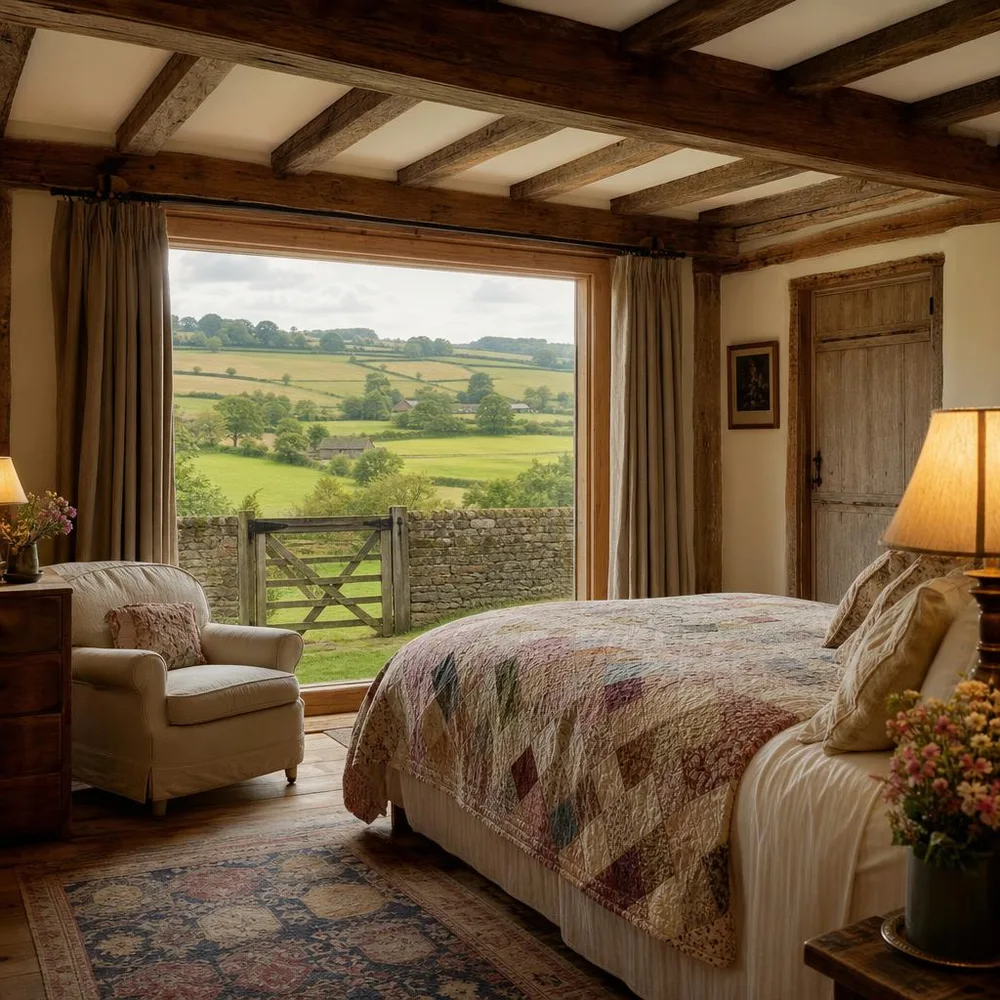
A Lancaster farmhouse stay can look calm and simple from the road, yet the practical question for a month-long furnished rental is rarely about the view. It is about boundaries. Which spaces are actually yours for a calendar month or longer, which areas remain part of a working property, who uses the driveway, how deliveries should arrive, and what quiet means when the setting includes barns, equipment, animals, or neighbors who are up early. For readers, the main task is not to assume farm access is included just because the property sits in rural Lancaster County. It is to read the stay as an agreement about use, timing, access, and respect.
 readers, the main task is not to assume farm access is included just because the property sits in rural Lancaster County. It is to read the stay as an agreement about use, timing, access, and respect.
Start with the property line, not the postcard view
A rural furnished stay often combines a private guest house, a farmhouse wing, or a detached suite with land that still functions as a working place. The first thing to clarify is what is private versus shared. Ask where your living space begins and ends, whether the patio, porch, mudroom, laundry area, or yard are exclusive to your stay, and whether any part of the building remains off-limits for storage, maintenance, or owner use. If a property sits near fields in Lancaster County, the scenic setting does not by itself mean you can walk every lane, enter every outbuilding, or treat the whole parcel as a guest amenity.
This distinction matters more for a month-long furnished stay than for a night or weekend because your routines will spread into the property. You may cook, receive mail, work remotely, host a visiting family member, or leave and return several times a day. A clear boundary map helps prevent the awkward middle ground where a renter thinks the front lawn is for their use, while the owner thinks it is part of farm operations. If the provider can describe spaces in plain terms, that is a useful sign. If the description stays vague, follow up before you agree to the stay.
Driveway use, turning space, and vehicle habits
On a rural property, driveway questions are not minor. They affect daily life, guest arrivals, service vehicles, snow clearing, trash pickup, and any vehicle larger than a sedan. Confirm whether you have one assigned parking area or a shared drive, whether you may park near the entrance, and whether there are any gates, locked sections, or areas that should stay open for farm traffic. If you expect regular visitors, a contractor, or a delivery van, ask where that vehicle should stop so it does not block a working path or agricultural access.
It also helps to ask about timing. Some farm operations begin early, and a driveway may see movement before breakfast. If your arrival date, departure date, or extension request overlaps with a busy property day, plan for a specific handoff time rather than assuming you can come and go without coordination. For month-long furnished rentals, the driveway is part of the living arrangement, not just a parking amenity. Clear instructions about where to turn around, where not to idle, and whether headlights should be minimized after dark can prevent friction from the first day onward.
Deliveries and mail: the practical details that prevent confusion
Monthly furnished stays often depend on packages, groceries, and mail forwarding. In a Lancaster rural setting, those details deserve extra attention. Ask whether deliveries should go to the main house, a mailbox, a roadside marker, or a specific named unit. Confirm whether food deliveries can find the property reliably and whether large items such as office equipment or furniture may be accepted at all. A lane that is easy to reach in daylight may be harder for a delivery driver to navigate in poor weather or after dark.
Mail can be especially important for longer stays. If you expect checks, documents, or regular correspondence, ask how to address them and whether the provider permits forwarding or package receipt. If the property uses a shared mailbox or the owner prefers a handoff, make that explicit in writing. This is also the moment to ask whether the property has any limits on service visits, such as internet equipment installation, appliance repair, or cleaning coordination. A month-long stay works best when the provider and renter both know who may arrive, when they may arrive, and where they should go.
Quiet expectations in a working countryside setting
Quiet in rural Lancaster is not the same as quiet in a suburban subdivision or downtown apartment. The soundscape can include tractors, livestock, irrigation, wind through open land, early deliveries, and seasonal farm activity. That does not mean a furnished stay should feel noisy or unpredictable; it means the agreement should name the likely sources of sound and the hours that matter most. Ask whether there are known early-morning or evening activities on the property or neighboring land, and whether there are particular times when guests should avoid outdoor noise, music, or phone calls outside.
For a month or longer, this is partly a compatibility question. If you work from the property and need a quiet block of time every weekday, say so before committing. If the provider knows that the house sits beside a work yard or active barn, they may be able to tell you whether the main sleeping area is insulated from that activity or whether another stay would fit your needs better. A useful furnished rental conversation should not pretend rural life is silent; it should identify the actual rhythm so your stay is realistic.
Farm access is not automatic
One of the most important assumptions to avoid is that a farmhouse stay includes farm access. A property may have fields, animals, or production buildings nearby, yet still keep all working areas closed to guests. That is normal. Do not assume you may enter a barn, pet animals, collect produce, walk through planted rows, or use equipment unless the provider explicitly says so. Even when an owner mentions a pond, orchard, or trail, the exact permissions can be limited, seasonal, or conditional.
Here is a useful decision framework for this topic. First, identify the space you need: only lodging, lodging plus exterior seating, or lodging plus some controlled outdoor use. Second, identify the activity you want to do: work remotely, host visitors, cook daily meals, receive packages, or enjoy country walks. Third, compare that need with the property’s actual rules: private-only, shared grounds, or limited supervised use of specific areas. If the fit is unclear, the safer choice is to ask again rather than assume. For a calendar-month stay, a small misunderstanding about farm access can affect the entire rental period.
For example, a hypothetical one-month Lancaster stay
For example, a hypothetical renter books a furnished farmhouse suite for a calendar month while relocating to the area. The suite includes a bedroom, bath, kitchenette, and one designated parking spot. The provider says the front porch is shared, the back yard is private to the owners, and the lane beside the barn stays open for farm vehicles. In that case, the renter can use the porch for sitting and the parking spot for one car, but should not assume the yard, barn path, or side lane are part of the rental. If packages are delivered, they should go to the agreed drop point by the house, not to the barn office or the main farmhouse unless the agreement says otherwise.
In the same hypothetical, the renter works remotely and needs phone calls after 8 p.m. The owner explains that equipment may run early in the morning and that occasional evening noise from the working area is possible. That helps the renter decide whether the stay is a good match before committing to an extension. A short-stay hotel might be easier for a few nights, but a furnished monthly stay can still work well if the boundaries are clear and the renter accepts the property’s operating rhythm.
Agreement terms to confirm before you arrive
is for stays of a calendar month or longer, so the written terms matter. Confirm the exact start date, the exact end date, and whether an extension requires a fresh agreement or just written approval. If you begin in February, that can still be a calendar month stay; the point is the agreed start and end dates, not a simple day count. Ask how utilities, cleaning, laundry, internet, and maintenance are handled, and whether the provider expects the space to be returned in a specific condition at departure.
You can use to search for monthly furnished stays through https://monthnmore.com/search and, if you are the property owner, to share a monthly stay through https://monthnmore.com/list-your-place. In either case, the Lancaster rural setting makes it especially important that the description match the actual use rights. That means the listing should be clear about private space, shared land, driveway rules, and any areas that remain part of a working property. A good agreement reduces guesswork for both sides.
Practical arrival checklist for a Lancaster farmhouse stay
- Confirm the exact calendar-month dates in writing, including any planned extension process.
- Ask which rooms, porch areas, yard sections, and outbuildings are private, shared, or off-limits.
- Verify where to park, whether the driveway is shared, and how to handle larger or visiting vehicles.
- Get written instructions for deliveries, mail, package drops, and any service appointments.
- Ask what quiet expectations apply, including early-morning activity, outdoor hours, and visitor limits.
- Clarify whether any farm areas, trails, animals, or production spaces are included or excluded.
- Know who to contact for maintenance, lockouts, weather-related access issues, or schedule changes.
A final way to compare Lancaster rural stays and short-stay alternatives
If you only need a few nights, a hotel or short-stay rental may be simpler because the rules are often narrower and the logistics less layered. But for a month or longer, a furnished Lancaster farmhouse stay can make sense when the private space is comfortable and the boundaries are unambiguous. The tradeoff is that the calm setting may come with more specific expectations about parking, deliveries, and respect for the property’s working side. That is not a drawback if you want a longer stay with room to settle in; it is a risk if you prefer a property where every area is clearly guest-only.
For readers who want more statewide context on longer furnished rentals, the older Pennsylvania guide at Furnished Monthly Rentals in Pennsylvania can help frame the broader market. For a Lancaster farmhouse specifically, though, the best questions are the local ones: What is mine to use, what stays operational, where do cars go, where do packages land, and what noise should I expect? If those answers are written down before arrival, the stay is much more likely to feel comfortable, respectful, and workable for the full month or more.
Make your next month feel more settled.
Related reading

Pittsburgh Campus Visits: Build a Family Base
Plan a family base in Pittsburgh for campus visits by weighing Oakland location, transit, parking, and exact campus access needs.

A relocation checklist for your temporary home
A steady, step-by-step plan for finding a place, organizing arrival and making the first few days in a new city less hectic.